Desserts · Part 1 of 3: Ingredients
Korean Candied Sweet Potatoes with Crispy Sugar Shell
- Prep
- Cook
- Total
- Serves
- 4
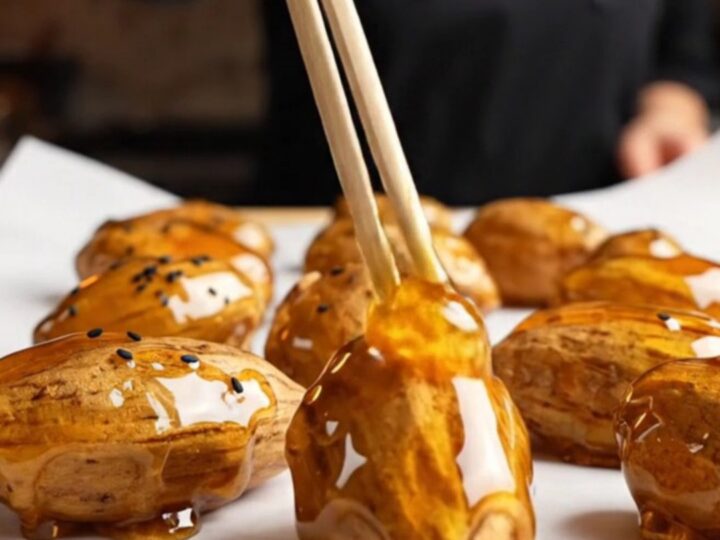
Imagine biting into a perfectly crisp, glass-like shell that shatters with a satisfying crackle, revealing a soft, fluffy sweet potato inside. That's the magic of Korean candied sweet potatoes, known as Goguma Mattang.
This beloved Korean side dish or dessert transforms humble sweet potatoes into addictive, caramel-coated morsels. With a double-fry technique and a simple sugar glaze, you can recreate this street-food favorite at home. The contrast of textures—crunchy exterior, tender interior—makes it impossible to stop at one.
Goguma Mattang is a classic Korean preparation where sweet potato wedges are deep-fried until golden and then tossed in a caramelized sugar syrup that hardens into a brittle, candied coating. The result is a snack that's simultaneously crunchy and soft, sweet and savory.
This recipe follows the traditional method: soaking the potatoes to remove excess starch, frying them twice for maximum crispness, and coating them in a clear, golden caramel made from sugar, corn syrup, and a touch of oil. The final sprinkle of black sesame seeds adds a nutty contrast. Perfect for holidays, parties, or a cozy evening treat, these candied sweet potatoes are surprisingly simple to make with just a few ingredients.
Ingredients
- 2 large Korean sweet potatoes (about 600g), peeled and cut into irregular wedges
- 500 ml frying oil (such as vegetable or canola)
- 3 tbsp vegetable oil
- 4 tbsp sugar
- 2 tbsp corn syrup or honey
- 1 tbsp black sesame seeds
- Cold water, for soaking, to taste
Why this recipe works
The double-fry method is the secret to achieving a sturdy, crunchy exterior that can hold up to the sticky caramel without becoming soggy. The first fry at a lower temperature cooks the sweet potato through, ensuring a fluffy interior.
The second fry at a higher temperature creates a crisp, golden crust that acts as a barrier, keeping the caramel coating crisp and preventing it from seeping into the potato. This two-step process is what gives Goguma Mattang its signature crackle.
Using a combination of sugar and corn syrup (or honey) in the caramel ensures a smooth, clear glaze that hardens to a glass-like finish. The corn syrup prevents crystallization, so the syrup stays fluid and coats the potatoes evenly.
Heating the oil, sugar, and syrup together without stirring allows the sugar to melt gradually and caramelize to the perfect golden color without burning. This technique yields a shiny, brittle shell that shatters with each bite.
Notes and substitutions
Korean sweet potatoes (also called Korean purple sweet potatoes or Japanese sweet potatoes) have a denser, starchier texture and a sweeter flavor than regular orange sweet potatoes. They hold their shape better during frying and provide a nice contrast to the caramel. If you can't find them, regular sweet potatoes or yams can be used, though they may be softer and require slightly less frying time.
For the caramel, use a non-stick skillet to prevent sticking and make cleanup easier. Corn syrup is traditional, but honey or maple syrup can be substituted in equal amounts. Black sesame seeds are classic, but white sesame seeds work too. The oil for frying should be a neutral oil with a high smoke point, like vegetable or canola. A deep-fry thermometer is helpful to maintain accurate temperatures.
- corn syrup: Honey or maple syrup can replace corn syrup; the texture may be slightly different but still glossy.
- Korean sweet potatoes: Regular orange sweet potatoes or yams work, though they are softer and less starchy.
- black sesame seeds: White sesame seeds can be used; toast them lightly for extra flavor.
- vegetable oil for caramel: Any neutral oil like canola or grapeseed works.
Equipment
- Large pot for deep frying
- Deep-fry thermometer
- Non-stick skillet or pan
- Slotted spoon
- Parchment paper
- Cutting board and knife
- Mixing bowl
Up next · Part 2 of 3
6 steps · 15 min of cooking · what to look for at each stage
Step-by-step instructions (Part 2)