Dinner · Part 1 of 3: Ingredients
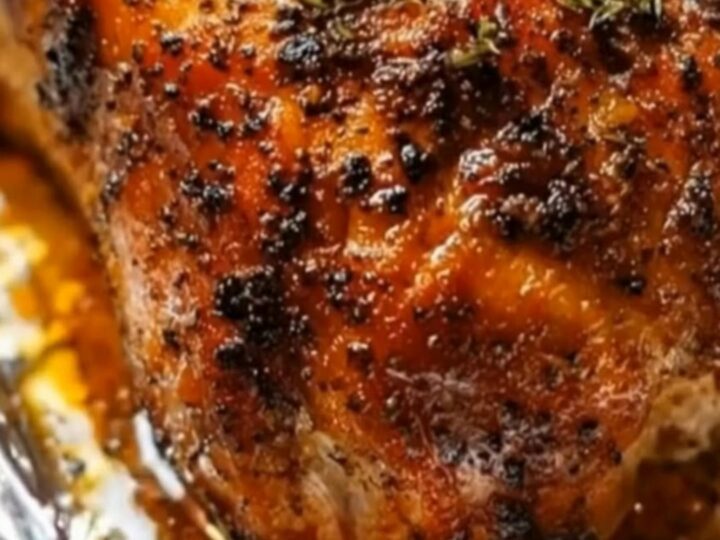
Juicy Honey Garlic Pork Roast with Herb Crust
- Prep
- Cook
- Total
- Serves
- 6
Savor the ultimate centerpiece with this succulent honey garlic pork roast, boasting a perfectly caramelized herb crust and an incredibly juicy interior. This recipe delivers a beautiful balance of sweet and savory notes that will elevate any family dinner or holiday gathering into a memorable feast.
Preparing a pork roast can sometimes feel intimidating, with the fear of dry, flavorless meat lurking in the background. This foolproof method guarantees a tender, moisture-rich result every single time by combining a high-heat sear with a low-and-slow roast.
The star of the show is the sweet honey garlic glaze, which caramelizes beautifully under the oven's heat, locking in the natural juices of the pork loin. Paired with aromatic fresh rosemary and thyme, this dish fills the kitchen with an irresistible aroma that builds anticipation long before the roast is carved.
Ingredients
- 3 lb boneless pork loin roast
- 3 sprigs fresh thyme
- 2 sprigs fresh rosemary
Glaze
- 1/3 cup honey
- 4 cloves garlic, minced
Why this recipe works
Searing the pork loin in a hot skillet before roasting is a critical step that initiates the Maillard reaction, creating a deeply flavorful, browned crust on the exterior. This initial blast of heat caramelizes the surface proteins and locks in the roast's natural moisture, ensuring the meat remains exceptionally tender throughout the cooking process.
Adding fresh herbs like thyme and rosemary directly to the hot skillet infuses the rendered fat with aromatic compounds, which then coat the meat and lay down a robust foundation of savory flavor.
The application of the honey garlic glaze during the roasting process creates a beautiful, sticky lacquer that self-bastes the meat as it cooks. Honey is rich in natural sugars that caramelize at oven temperatures, forming a gorgeous golden-brown exterior while acting as a barrier to prevent the pork from drying out. Meanwhile, the minced garlic mellows in the oven, losing its harsh bite and transforming into a sweet, savory element that perfectly complements the rich pork and earthy herbs.
Notes and substitutions
For the best results, select a high-quality, center-cut boneless pork loin roast with a visible fat cap, as this fat melts during roasting to keep the meat moist and flavorful.
Fresh herbs are highly recommended over dried ones, as the fresh sprigs of thyme and rosemary release essential oils in the hot skillet that dry herbs simply cannot replicate. If a boneless pork loin is unavailable, a bone-in pork loin can be substituted, though the cooking time will need to be adjusted upward to account for the bone.
An oven-safe skillet, such as a heavy cast-iron pan, is the ideal vessel for this recipe because it transitions seamlessly from the stovetop sear to the oven roast.
If you do not own a cast-iron skillet, any heavy-bottomed skillet can be used for the searing step, after which the roast can be transferred to a foil pan or a dedicated baking dish for the roasting phase. A reliable instant-read digital meat thermometer is also essential to ensure the pork reaches the perfect level of doneness without overcooking.
- boneless pork loin roast: pork tenderloin can be used, but reduce the roasting time significantly to prevent overcooking.
- honey: pure maple syrup can be used for a slightly different sweet profile.
Equipment
- heavy skillet
- pastry brush
- digital meat thermometer
- carving knife
- cutting board
Up next · Part 2 of 3
5 steps · 45 min of cooking · what to look for at each stage
Step-by-step instructions (Part 2)