Dinner · Part 2 of 3: Instructions
Juicy Garlic Butter Ribeye Steak Step-by-step instructions
- Prep
- Cook
- Total
- Serves
- 2
Before you start
Before you begin, ensure that all ingredients are measured and ready to go, as the cooking process moves very quickly once the skillet is hot. Take the steaks out of the refrigerator 30 minutes prior to cooking and pat them completely dry.
Have your tongs, a heavy skillet, and a meat thermometer within easy reach. Clear your workspace to allow for fluid movement around the stove. Proper preparation prevents the panic that can occur during high-heat cooking, allowing you to focus on the timing and the sensory cues of the butter basting.
Ingredients at a glance (4)
- 2 pieces ribeye steaks, about 1 inch thick
- 3 tbsp unsalted butter
- 3 cloves garlic, minced
- 1 tsp fresh thyme leaves
Instructions
Seasoning and Surface Prep
- Prepare the SteaksRemove the ribeye steaks from the refrigerator 30 minutes before cooking to bring them to room temperature. Pat the steaks completely dry with paper towels on both sides to ensure a proper sear. Preparing the meat properly is the foundation for a professional-quality crust that locks in the natural juices.Look for Steaks should be dry to the touch.Tip Use a heavy-duty cast iron skillet for the best heat retention and crust development.
The steaks must be completely dry. The dry surface is the most important factor in achieving a successful sear. Check that your skillet is clean and positioned over the burner, ready to reach a high temperature.
The aroma of the raw meat should be fresh, and the surface of the beef should be ready to hit the hot pan for maximum browning and flavor development.
The High-Heat Sear
- Sear the SteaksHeat your cast iron skillet over high heat until it is smoking hot. Carefully place the steaks into the hot pan. Sear the steaks for 3 to 4 minutes per side without moving them, allowing a deep, dark brown crust to form on the surface of the meat.Look for A dark brown, caramelized crust should form on the exterior.Tip Do not crowd the pan; use two skillets if necessary to maintain high heat.
Listen for the loud, sharp sizzle as the steaks hit the hot pan. The edges of the steak should begin to turn golden-brown almost immediately. Do not move the steaks for the first few minutes, allowing the crust to build. The kitchen should smell like intense, savory beef fat. If the smoke becomes excessive, adjust your heat slightly or turn on the ventilation.
Butter Basting and Finishing
- Baste and FinishReduce the heat to medium. Add the butter, minced garlic, and fresh thyme to the skillet. Once the butter is melted and foaming, tilt the pan slightly and spoon the aromatic butter repeatedly over the steaks for 1 to 2 minutes. Continue cooking until an instant-read thermometer inserted into the thickest part reaches 145°F (63°C). Remove the steaks from the pan and let them rest on a cutting board for at least 3 minutes before slicing.Look for Butter should be foaming and fragrant with garlic.Safe temperature 145°F (63°C) internal temperature (steaks, chops and roasts)Tip Resting is crucial for retaining the juices within the meat.
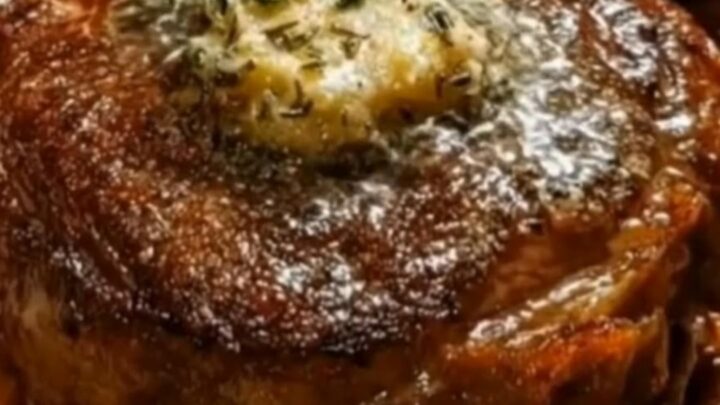
The butter should melt into a golden, foaming liquid that smells intensely of toasted garlic and earthy thyme. As you spoon the butter over the steaks, the surface will turn a rich, glossy brown. Use your thermometer to confirm the 145°F (63°C) mark. The steaks should look plump and glistening, ready to be transferred to a board for the final resting phase.
Common mistakes
A common mistake is overcrowding the pan, which lowers the temperature and causes the steak to steam rather than sear. Always cook in batches if necessary. Another error is failing to dry the surface of the meat; moisture on the steak prevents a good crust from forming immediately.
Also, avoid flipping the steak too frequently; let it develop that dark, caramelized sear undisturbed. Finally, skipping the resting period will cause the flavorful juices to leak out onto the board instead of staying in the meat where they belong.
How to tell it’s done
To determine doneness, use an instant-read thermometer inserted into the thickest part of the steak. For a perfect medium-rare, the internal temperature should reach 145°F (63°C). The meat will feel firm but still have a slight spring when pressed with a finger.
Remember that the temperature will continue to rise slightly during the resting period, so pulling the steaks off the heat just as they hit the target is ideal. A well-rested steak will have a uniform pink center and will not release excessive juices when sliced.
- Steaks, chops and roasts: 145°F (63°C) in the thickest part, then a 3-minute rest
Up next · Part 3 of 3
2 variations · storage & make-ahead · 3 answers · printable card
Tips, FAQ & printable recipe (Part 3)← Back to the ingredients (Part 1)