Dinner · Part 3 of 3: Tips & recipe card
Japanese Wagyu Smash Burger with Caramelized Onions & Wasabi Mayo Tips, FAQ & printable recipe
- Prep
- Cook
- Total
- Serves
- 2
Tips for success
For the best crust, make sure the griddle is truly screaming hot before adding the beef. The patties should sizzle loudly the moment they touch the pan.
Use a heavy steel press and apply firm, even pressure for about 10 seconds to get the thinnest patty possible. Do not move the patties while they sear; let them cook undisturbed for the full 2 minutes to develop a deep, dark crust.
When flipping, use a thin, flexible spatula to get under the patties without breaking them. The second side cooks faster, so keep an eye on the temperature.
If the cheese is not melting quickly, cover the pan with a lid for 30 seconds to trap the heat. Let the assembled burger rest for a minute before serving to allow the juices to redistribute.
Variations
- Spicy Mayo: Add an extra teaspoon of wasabi paste or a pinch of cayenne to the mayo for a more pronounced heat. Alternatively, swap the wasabi for sriracha to create a different spicy kick.
- Bacon Smash: Cook 2 slices of bacon until crisp and crumble over the caramelized onions before stacking the patties. The smoky, salty flavor complements the beef beautifully.
- Teriyaki Glaze: Brush the patties with a teriyaki glaze during the last minute of cooking for a sweet-savory twist. Reduce the soy sauce in the mayo slightly to avoid over-salting.
- Vegetarian Version: Use a plant-based burger patty and vegan cheese. For the mayo, use vegan mayonnaise and ensure the furikake is free of fish flakes. Caramelized onions and brioche buns can be made vegan or use a vegan alternative.
Storage and make-ahead
- Fridge
- Store leftover burger in an airtight container in the refrigerator for up to 2 days. Reheat in a 350°F (175°C) oven for 5-7 minutes.
- Freezer
- Cooked patties can be frozen in a single layer, then transferred to a freezer bag for up to 2 months. Thaw overnight in the refrigerator before reheating.
- Reheat
- Reheat frozen or refrigerated patties in a skillet over medium heat until warmed through, about 2-3 minutes per side. Toast the buns fresh.
Leftover burgers can be stored in an airtight container in the refrigerator for up to 2 days. To reheat, place the burger in a preheated 350°F (175°C) oven for 5-7 minutes, or until heated through. The buns may become soft, but the flavors will still be delicious.
The wasabi mayo can be made up to 2 days in advance and stored in the refrigerator. The beef balls can be formed and chilled for up to 4 hours before cooking. Caramelized onions can be prepared ahead and reheated. Assemble the burger just before serving to keep the patties crisp.
Serving ideas
Serve the burger immediately after assembly, while the cheese is molten and the edges are still crisp.
The wasabi mayo should be spread generously on both the top and bottom buns for maximum flavor in every bite. Pair it with a cold beer or a sparkling water with lemon to cut through the richness.
For a complete meal, serve with a side of crispy fries, a simple green salad, or pickled vegetables to add acidity.
The burger is substantial enough to stand alone, but a light side balances the indulgence. Enjoy it with friends and family for a memorable dinner that feels like a special occasion.
Frequently asked questions
Can the patties be made ahead of time?
What is the best way to get a crispy crust?
Can this recipe be made with regular ground beef?
Is the wasabi mayo very spicy?
Can the burgers be cooked on an outdoor grill?
Japanese Wagyu Smash Burger with Caramelized Onions & Wasabi Mayo
Ingredients
- 2 balls ground Wagyu beef (100g / 3.5 oz each)
- 1/4 cup Japanese Kewpie mayonnaise
- 1 tbsp wasabi paste
- 1 tsp soy sauce
- 1 tsp furikake seasoning
- 1/2 cup caramelized onions
- 2 slices American cheese
- 2 brioche burger buns, split and toasted
- Kosher salt, to taste
- Freshly ground black pepper, to taste
Instructions
- In a small ramekin, combine the Japanese Kewpie mayonnaise, wasabi paste, soy sauce, and furikake seasoning. Whisk until smooth and pale green. Set aside.
- Divide the ground Wagyu beef into two equal portions and gently roll each into a ball. Do not overwork the meat; handle as little as possible to keep it tender. Season the outside of each ball with kosher salt and freshly ground black pepper.
- Place a cast iron griddle or heavy skillet over high heat and let it get screaming hot. This is essential for a proper crust.
- Place the seasoned beef balls on the hot griddle, spaced apart. Immediately press each ball down with a heavy steel press or a sturdy spatula, flattening into thin patties about 4 inches wide. Press firmly for 10 seconds to maximize contact with the pan.
- Let the patties sear undisturbed for 2 minutes. Do not move or peek; the crust needs time to form. You will see the edges turn lacy and brown.
- Using a thin spatula, carefully flip each patty. Immediately drape one slice of American cheese over each patty so it melts as the second side cooks.
- Cook for another 1 to 2 minutes, until the cheese is fully melted and the patties reach an internal temperature of 160°F (71°C) for ground beef. The second side will not get as crisp as the first, but it should be cooked through.
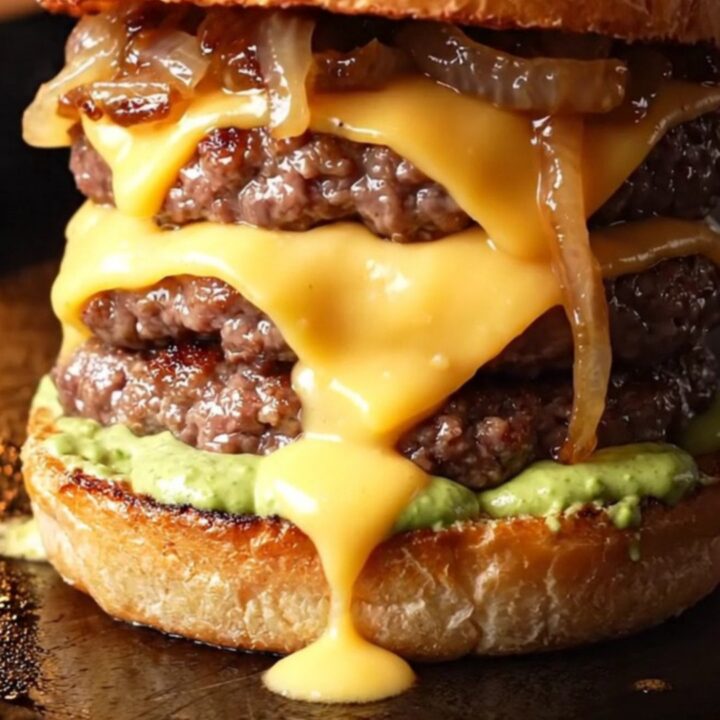
- Place one patty on top of the other. Spoon the caramelized onions over the top patty, letting them settle into the melted cheese.
- While the patties finish, place the split brioche buns cut-side down on the hot griddle for 30 to 60 seconds, until golden and toasted.
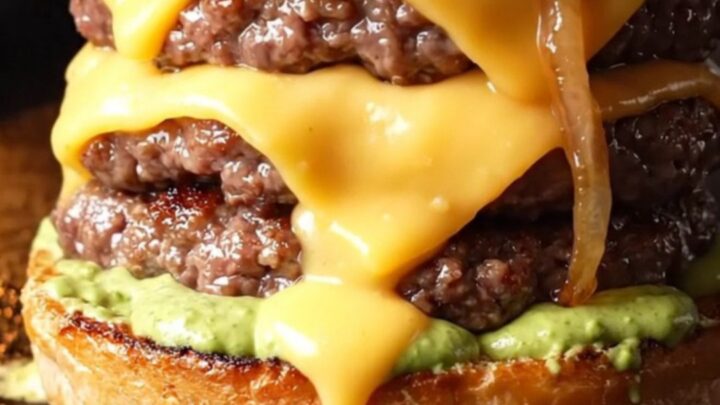
- Slather the bottom bun with a generous amount of wasabi mayo. Place the double patty stack on top. Add the top bun and press down gently, letting the juices and melted cheese drip over the edges.
Estimated nutrition per serving
- Calories
- 780
- Protein
- 35 g
- Carbohydrates
- 45 g
- Fat
- 50 g
Next recipe

Cheesy Truffle Wild Mushroom Flatbread in 15 Minutes
See the recipe → →This recipe is based on a short cooking video and is published under the pen name Clara Weller. It was checked before publication, but errors can slip through. Nutrition, when shown, is an estimate. Read more in our editorial policy and on our food safety page.
More recipes to try

Creamy Cajun Sausage & Shrimp Pasta Skillet
Total time: 20 min
Turkish Chicken Shish Wrap with Sumac Onions
Total time: 35 min
Crispy Air-Fried Sweet Chili Salmon Bites in 8 Minutes
Total time: 18 min
Garlic Butter Steak & Crispy Parmesan Potato Wedges
Total time: 45 min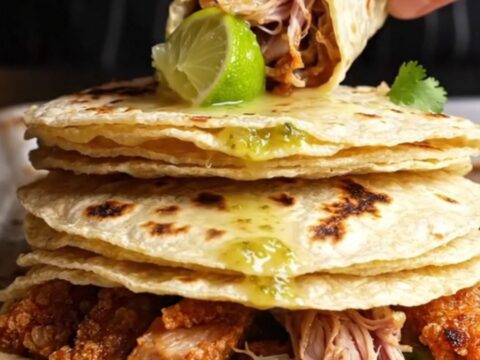
Crispy Pork Carnitas Street Tacos with Salsa Verde
Total time: 2 h 56 min