Dinner · Part 3 of 3: Tips & recipe card
Japanese Crispy Karaage Rice Bowl with Kewpie & Pickled Ginger Tips, FAQ & printable recipe
- Prep
- Cook
- Total
- Serves
- 4
Tips for success
For the crispiest results, use chicken thighs rather than breast; the extra fat keeps the meat moist during frying. Cut the pieces uniformly so they cook at the same rate.
When dredging, press the potato starch firmly onto the chicken and let it rest on a wire rack for at least 5 minutes—this helps the coating form a tenacious crust that won't slough off in the oil.
Maintaining oil temperature is crucial. Use a deep-fry thermometer and adjust the heat between batches. After adding chicken, the temperature will drop; wait for it to return to the target before frying the next batch.
If the oil is too hot, the coating will burn before the chicken cooks; too cool, and the chicken will absorb oil and become greasy.
Variations
- Spicy Karaage: Add 1 tablespoon of gochujang or sriracha to the marinade for a spicy kick. Or serve with a side of spicy mayo made by mixing Kewpie mayo with sriracha to taste.
- Karaage Tacos: Skip the rice and serve the crispy chicken in warm corn tortillas with shredded cabbage, pickled ginger, and a drizzle of Kewpie mayo. Add a squeeze of lime for a fusion twist.
- Gluten-Free Karaage: Use tamari or gluten-free soy sauce in place of regular soy sauce, and ensure your sake is gluten-free. The potato starch coating is naturally gluten-free, making this a great option for those avoiding gluten.
- Karaage Salad: Serve the fried chicken over a bed of mixed greens, cherry tomatoes, cucumber, and avocado, with a ginger-soy dressing. This lighter version is perfect for lunch and keeps the crispy chicken as the star.
Storage and make-ahead
- Fridge
- Store leftover karaage rice bowl components separately in airtight containers in the refrigerator for up to 3 days.
- Freezer
- Freeze the fried chicken (without rice or toppings) in a single layer on a baking sheet, then transfer to a freezer bag for up to 2 months.
- Reheat
- Reheat frozen karaage in a 375°F (190°C) oven for 8-10 minutes, or until hot and crispy. Do not microwave.
Leftover karaage can be stored in an airtight container in the refrigerator for up to 3 days. To reheat, place the chicken on a wire rack in a 350°F (175°C) oven for 10-15 minutes to restore some crispness. The rice and toppings should be stored separately to prevent sogginess.
The chicken can be marinated up to 24 hours in advance, making this a great make-ahead meal. The marinade will deepen in flavor. You can also coat the chicken in potato starch and refrigerate for up to 2 hours before frying, but let it sit at room temperature for 10 minutes before frying to ensure even cooking.
Serving ideas
Serve the karaage rice bowl immediately after assembling to enjoy the contrast between hot, crispy chicken and cool, creamy mayo.
The pickled ginger adds a refreshing, tangy bite that cuts through the richness. A squeeze of fresh lemon over the top brightens all the flavors and adds a citrusy aroma that lifts the whole dish.
These bowls are perfect for a weeknight dinner but also impressive enough for guests. Pair with a simple cucumber salad or miso soup for a complete Japanese meal.
For extra heat, add a sprinkle of shichimi togarashi or a drizzle of sriracha. The leftovers are delicious cold in a bento box, though the crispness will fade.
Frequently asked questions
Can this recipe be made without sake?
What is the best oil for frying karaage?
Why is the chicken not crispy after frying?
Can the chicken be baked instead of fried?
How can you make the karaage extra juicy?
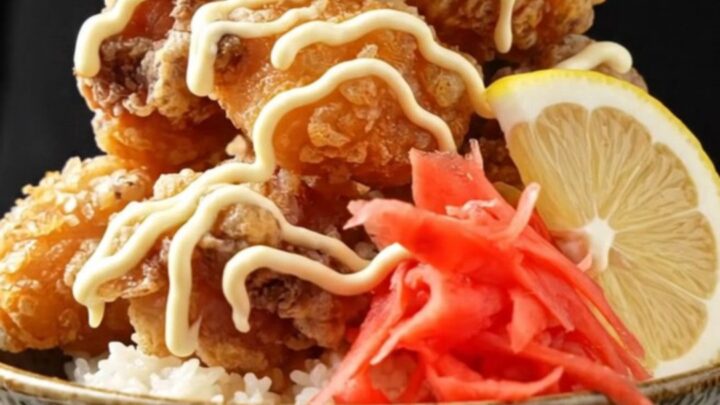
Japanese Crispy Karaage Rice Bowl with Kewpie & Pickled Ginger
Ingredients
- 1 lb boneless, skinless chicken thighs, cut into bite-sized pieces
- 2 tbsp soy sauce
- 1 tbsp sake
- 1 tbsp fresh ginger, grated
- 2 cloves garlic, minced
- 1/2 cup katakuriko (potato starch)
- 2 cups neutral oil (such as canola or vegetable), for frying
- 4 cups cooked Japanese short-grain rice, warm
- 1/4 cup Kewpie mayonnaise
- 1/4 cup pickled ginger (gari)
- 1 lemon, cut into wedges
Instructions
- In a large mixing bowl, combine the bite-sized chicken thighs, soy sauce, sake, grated ginger, and minced garlic. Toss well to coat every piece evenly. Cover the bowl and refrigerate for 20 minutes to let the flavors penetrate the chicken.
- Place the katakuriko in a shallow dish. Working in batches, add the marinated chicken pieces and toss to coat thoroughly, pressing the starch onto each piece. Shake off any excess and transfer the coated chicken to a wire rack. Let sit for 5 minutes so the starch adheres.
- Heat the neutral oil in a deep pot to 340°F (170°C). Carefully add the chicken pieces in batches without overcrowding. Fry for 4 minutes, turning occasionally, until the coating is pale golden and the chicken is cooked through. Transfer to a wire rack and let rest for 5 minutes.
- Increase the oil temperature to 375°F (190°C). Return the chicken to the hot oil in batches and fry for 60 seconds, until the coating is deep golden brown and blistered. Remove with tongs and drain on a wire rack or paper towels.
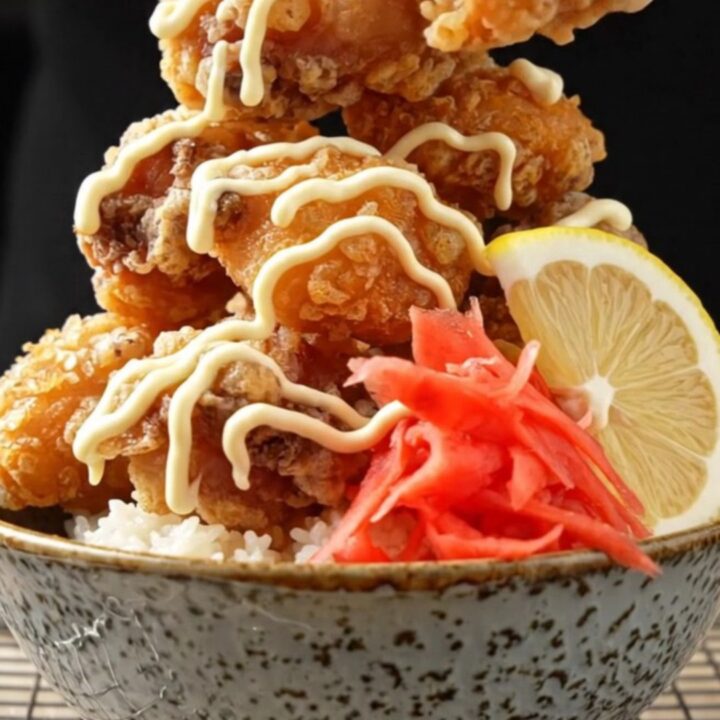
- Divide the warm cooked rice among four bowls. Pile the crispy karaage chicken on top of the rice. Drizzle with Kewpie mayonnaise in a zigzag pattern, then scatter the pickled ginger over the top.
- Serve the bowls immediately with lemon wedges on the side. Squeeze fresh lemon juice over the chicken just before eating to brighten the flavors.
Estimated nutrition per serving
- Calories
- 650
- Protein
- 28 g
- Carbohydrates
- 55 g
- Fat
- 35 g
Next recipe
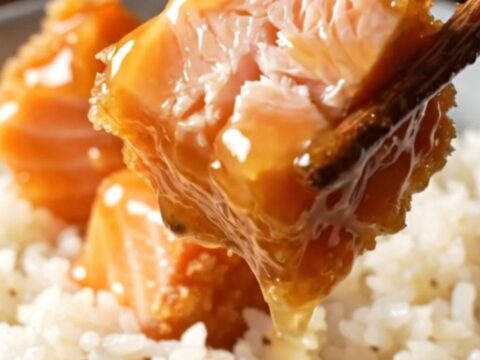
Crispy Bang Bang Salmon Bites with Coconut Rice
See the recipe → →This recipe is based on a short cooking video and is published under the pen name Clara Weller. It was checked before publication, but errors can slip through. Nutrition, when shown, is an estimate. Read more in our editorial policy and on our food safety page.
More recipes to try

Turkish Etli Ekmek: Crispy One-Meter Flatbread
Total time: 1 h 19 min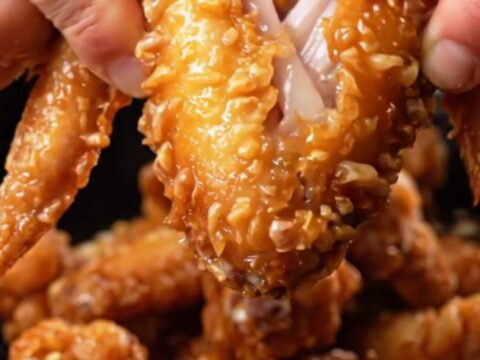
Crispy Salt & Pepper Chicken Wings with Wok-Tossed Chiles
Total time: 40 min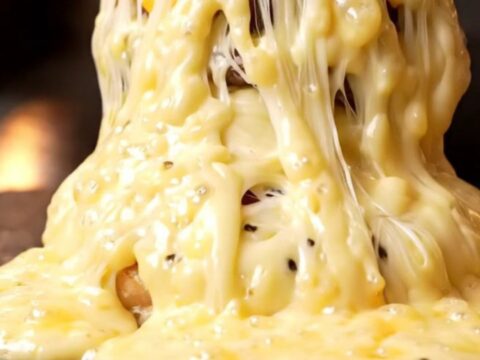
Quadruple Wagyu Truffle Smash Burger with Raclette Avalanche
Total time: 35 min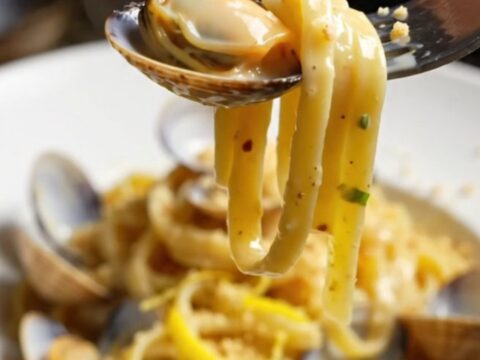
Creamy Lemon Garlic Butter Clam Pasta with Crispy Pangrattato
Total time: 35 min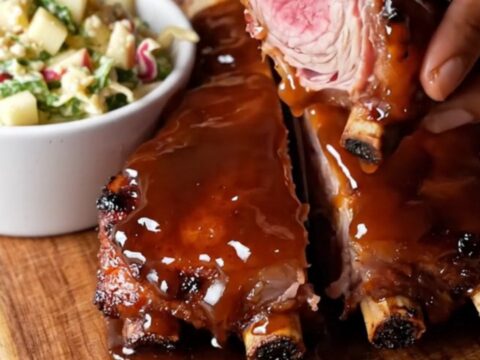
Sticky Bourbon Glazed Baby Back Ribs with Apple Slaw
Total time: 2 h 56 min