Dinner · Part 2 of 3: Instructions
Honey Gochujang Shrimp and Charred Octopus Skillet in Garlic Butter Step-by-step instructions
- Prep
- Cook
- Total
- Serves
- 4
Before you start
Gather everything before you turn on the heat, because the seafood sears fast and the glaze reduces in minutes. Slice the green onions thinly and set them aside. Portion the raw shrimp and the octopus tentacles on a cutting board, keeping the shrimp chilled until they go into the pan. Pat the shrimp completely dry with paper towels, since surface moisture prevents a good sear.
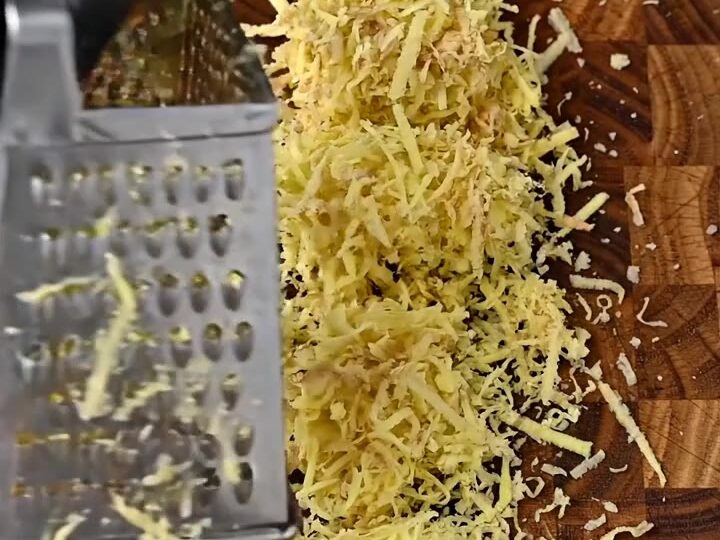
Peel the garlic cloves and grate them on a fine-hole grater until they form a pale, fluffy pile. Mix the gochujang and honey in a small bowl until smooth so you can pour it in one move. Toast the sesame seeds in a dry pan over medium heat until fragrant and lightly golden, then set them beside the stove.
Ingredients at a glance (9)
- 4 green onions, thinly sliced
- 1 lb raw shrimp, peeled and deveined
- 12 oz cooked octopus tentacles, cut into bite-size pieces
- 6 cloves garlic, finely grated
- 3 tbsp unsalted butter
- 2 tbsp gochujang
- 2 tbsp honey
- 1 tbsp toasted sesame seeds, for serving
- kosher salt and black pepper, to taste
Instructions
Garlic butter and sear
- Prep the seafood and garlicSlice the green onions thinly and set them aside. Portion the raw shrimp and the octopus tentacles on a cutting board, keeping them cold until the pan is hot. Peel the garlic cloves and grate them on a fine-hole grater until they form a pale, fluffy pile.Look for Garlic should look pale, fluffy and almost like a paste, with no large pieces left.Tip Keep the shrimp refrigerated until the moment they go into the pan.
- Mix the glazeStir the gochujang and honey together in a small bowl until smooth and evenly colored. Set the glaze beside the stove so it is ready to pour the moment the seafood is seared.Look for The glaze should be smooth, thick and deep red with no streaks of honey.Tip Warm the honey slightly if it is very thick so the glaze blends easily.
At the end of this phase the butter should be bubbling gently and smelling of toasted garlic, and the shrimp should have turned pink and opaque with the octopus tentacles curled and charred at the edges. The seafood should look golden and glossy from the spooned butter, not pale or steamed. Before going on, check that every shrimp is fully opaque in the thickest part, since this confirms they reached a safe temperature.
If any pieces look raw or pale, cook them another 30 seconds and check again. Keep the pan on medium-high heat, and take care not to let the garlic turn dark brown, which would make it bitter. When the seafood looks right and the pan is fragrant, you are ready to add the glaze without losing any of that color.
Honey gochujang glaze
- Melt the garlic butterHeat the cast-iron skillet over medium-high heat. Add the butter and let it melt, then stir in the grated garlic until the mixture bubbles and smells fragrant. Season lightly with salt and pepper.Look for The butter should bubble gently and turn glossy and golden, with a toasty garlic scent.Tip Lower the heat slightly if the garlic starts to brown too fast.
- Sear the octopus and shrimpAdd the octopus and shrimp to the bubbling garlic butter in a single layer. Spoon the golden fat over the seafood as it cooks, until the octopus tentacles curl and char at the edges and the shrimp turn pink and opaque all the way through.Look for Shrimp should be pink and opaque, and the octopus should show charred, curled edges.Safe temperature 145°F (63°C) internal temperature (shellfish)Tip Work in two batches if the pan is crowded so the seafood sears instead of steams.
- Reduce the honey glazePour the honey and gochujang glaze over the seafood. Let it bubble and reduce for 1 to 2 minutes, stirring gently, until it turns into a sticky, deep red-brown sauce that coats everything.Look for The sauce should be thick, sticky and clinging to the shrimp and octopus.Tip Remove the pan from the heat as soon as the sauce coats the seafood to avoid scorching the honey.
At the end of this phase the glaze should be bubbling vigorously and reduced into a thick, sticky, deep red-brown sauce that clings to the shrimp and octopus. Look for the sauce to stop running off the pieces and instead form a shiny film. Check the color: it should be a rich mahogany, not black, which would mean the honey has scorched. Lift a piece of shrimp with tongs and see whether the glaze coats it evenly. If the sauce is still thin after a minute, let it reduce a little longer over medium heat, watching closely. Once the glaze has thickened and coats everything, remove the pan from the heat so the sugars do not darken further and become bitter.
Toss and serve
- Toss and finishToss the shrimp and octopus with tongs so every piece is coated in the glaze. Scatter the sliced green onions and toasted sesame seeds over the top. Serve the skillet immediately while the seafood is still glossy and caramelized.Look for The seafood should look glossy and lacquered, with green onions still bright green.Tip Serve from the skillet on the table so the glaze stays hot and sticky.
At the end of this phase the shrimp and octopus should be fully lacquered in the glaze, with glossy, caramelized edges, and the green onions and sesame seeds should be scattered evenly across the top. The green onions should still look bright green, and the seafood should be hot and sticky to the touch.
Before serving, check that no shrimp are still translucent in the center and that the sesame seeds are toasted and fragrant. Toss gently so the glaze reaches every piece, and avoid overworking the octopus, which can become rubbery if handled too roughly. The skillet should go straight to the table while the sauce is still glossy and clinging to the seafood.
Common mistakes
The most common mistake is adding the glaze too early. If the honey and gochujang hit the pan while the seafood is still raw, the sugars darken before the shrimp cook through, leaving a bitter, scorched taste and a sauce that never becomes glossy. Another frequent error is crowding the skillet. When too many shrimp and octopus pieces fill the pan at once, they release liquid and steam instead of searing, so the octopus will not char and the shrimp will look grey. Work in batches if needed. Burnt garlic is also a problem: grated garlic browns quickly in hot butter, so keep the heat at medium-high and move the pan to avoid dark spots.
How to tell it’s done
The shrimp are done when they turn uniformly pink and opaque, with no grey or translucent area in the thickest part, and they curl into a loose C shape. This confirms they reached the safe internal temperature of 145°F (63°C), which is the minimum for shellfish. The cooked octopus should show curled, charred edges and a deep golden color, and it should feel tender when pierced with a fork.
For the glaze, doneness is visual: it is ready when it reduces into a thick, sticky, deep red-brown sauce that coats a spoon and clings to the seafood without pooling. Taste a little of the sauce once it has reduced; it should be sweet, savory and gently spicy in balance.
- Shellfish: 145°F (63°C) in the thickest part
Up next · Part 3 of 3
4 variations · storage & make-ahead · 5 answers · printable card
Tips, FAQ & printable recipe (Part 3)← Back to the ingredients (Part 1)