Dinner · Part 2 of 3: Instructions
Honey Gochujang Shrimp and Charred Octopus Skillet in 30 Minutes Step-by-step instructions
- Prep
- Cook
- Total
- Serves
- 2
Before you start
Set out all the ingredients before you turn on the stove, because the seafood cooks quickly once it reaches the pan. Keep the raw octopus and prawns in the refrigerator until you are ready to cook, and take them out only shortly before the pan is hot.
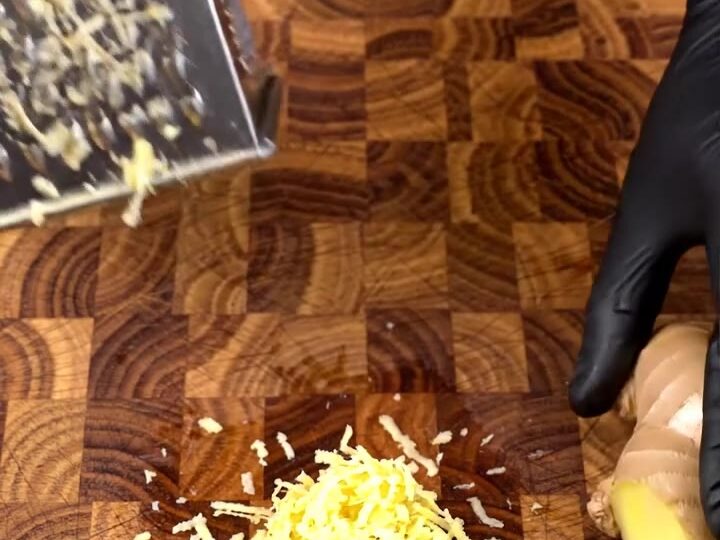
Cut the octopus into tentacle sections, peel and mince the garlic, slice the green onions and grate the ginger on a fine metal grater, which should leave a pale yellow pulp. Whisk the honey and gochujang together in a small bowl until smooth so you can spoon the glaze over the seafood without stopping. Toast the sesame seeds in a dry pan until golden if they are raw.
Ingredients at a glance (9)
- 8 oz raw octopus, tentacles cut into sections
- 8 oz raw prawns, peeled and deveined
- 3 green onions, sliced
- 4 cloves garlic, peeled and minced
- 1 tsp fresh ginger, finely grated
- 2 tbsp neutral oil, such as vegetable oil
- 3 tbsp honey
- 2 tbsp gochujang (Korean red chile paste)
- 1 tbsp sesame seeds, toasted
Instructions
Prep and glaze ready
- Prep the octopus and aromaticsCut the raw octopus into tentacle sections with a sharp knife. Peel and mince the garlic, slice the green onions and grate the ginger on a fine metal grater. Keep the seafood chilled in the refrigerator until the pan is hot.Look for Octopus pieces are cut evenly and the ginger forms a pale yellow pulp.Tip Pat the octopus dry so it sears instead of steaming in the pan.
- Mix the honey gochujang glazeStir together the honey and gochujang in a small bowl until smooth and glossy. Set the glaze aside next to the stove so it is ready to spoon over the seafood.Look for The glaze is smooth, sticky and deep red-brown.Tip Warm the honey slightly if it is very thick to blend it more easily.
The octopus pieces are cut into even sections, the garlic and ginger are finely prepared, and the green onions are sliced. The honey gochujang glaze is smooth, sticky and deep red-brown in its bowl. The prawns are peeled and deveined and rest chilled. Before going on, confirm that the skillet is on the burner and the oil is measured, because once the seafood is in the hot pan the cooking moves quickly and there is little time to search for a missing ingredient or tool.
Charred octopus and pink prawns
- Char the octopus and sear the prawnsHeat the cast iron skillet over medium-high heat and add the oil. Add the octopus and cook until the edges char and caramelize, then add the prawns, garlic and ginger and cook until the prawns turn pink and opaque.Look for Octopus edges are browned and the prawns turn pink.Safe temperature 145°F (63°C) internal temperature (shellfish)Tip Work in batches if the skillet looks crowded, so the seafood sears rather than steams.
- Glaze the seafoodSpoon the honey gochujang mixture over the octopus and prawns. Stir with a ladle as the sauce bubbles, letting it reduce until it turns sticky and coats every piece evenly.Look for The sauce bubbles and clings to the seafood in a glossy layer.Tip Lower the heat slightly if the honey begins to scorch before the glaze thickens.
After about four minutes of contact with the hot oil, the octopus edges turn golden brown and begin to caramelize, while the prawns curl and turn pink and opaque throughout. You should smell a toasty, slightly sweet aroma from the browned octopus and fresh ginger. Check that the prawns are no longer translucent in the center, and that the octopus has taken on visible char marks. If the pan looks crowded or the seafood is releasing liquid, pause and work in batches before going on to the glaze.
Glossy glaze and final toss
- Finish with green onions and sesameOnce the glaze thickens and coats everything, toss the seafood with tongs. Add the sliced green onions and sesame seeds, toss once more, and serve straight from the skillet while hot.Look for Everything is glossy and the green onions are bright green.Tip Add the green onions at the end so they stay crisp and vivid.
The honey gochujang mixture bubbles across the seafood and reduces into a sticky, glossy coat that clings to the prawns and octopus. The sauce thickens noticeably as you stir with the ladle, and the color deepens to a rich red-brown.
Before serving, the seafood should look evenly coated, with no pools of loose sauce at the bottom of the pan. Sprinkle in the sliced green onions and toasted sesame seeds, toss with tongs, and check that the green onions stay bright green and the glaze still holds its shine.
Common mistakes
The most common mistake is adding the glaze too early, before the octopus has had a chance to char. Honey burns quickly over high heat, so if the sauce goes into the pan with the seafood still pale, the sugars can scorch and taste bitter. Another frequent problem is crowding the skillet.
Too much octopus or prawns at once lowers the temperature, releasing moisture that steams the seafood instead of searing it. Cook in batches if needed and let each batch sit briefly before turning. Finally, avoid overcooking the prawns. They become tough and rubbery within a minute or two past pink, so pull them out as soon as they are opaque and add them back into the glaze at the end.
How to tell it’s done
The octopus is ready when its edges are charred and caramelized, and the interior is tender enough to cut easily with the side of a fork. The prawns are done when they turn pink and opaque all the way through, with no translucent center.
Cook the prawns to at least 145°F (63°C) internal temperature, which is the safe minimum for shellfish, and check the thickest part with an instant-read thermometer if you have one. The glaze is ready when it is sticky, glossy and clings to the seafood rather than pooling in the pan. A good final sign is that the sauce no longer runs off a spoon quickly and coats the octopus evenly.
- Shellfish: 145°F (63°C) in the thickest part
Up next · Part 3 of 3
4 variations · storage & make-ahead · 5 answers · printable card
Tips, FAQ & printable recipe (Part 3)← Back to the ingredients (Part 1)