Dinner · Part 2 of 3: Instructions
Honey Gochujang Shrimp and Charred Octopus Skillet in 30 Minutes Step-by-step instructions
- Prep
- Cook
- Total
- Serves
- 4
Before you start
Start by pulling the octopus tentacles and shrimp from the refrigerator only a few minutes before cooking, since raw seafood should not sit at room temperature for long. Pat both thoroughly dry with paper towels so they sear rather than steam. Cut the octopus into bite-size pieces if it is not already cut. Slice the green onions, keeping the white and light green parts for the pan and reserving some for garnish.
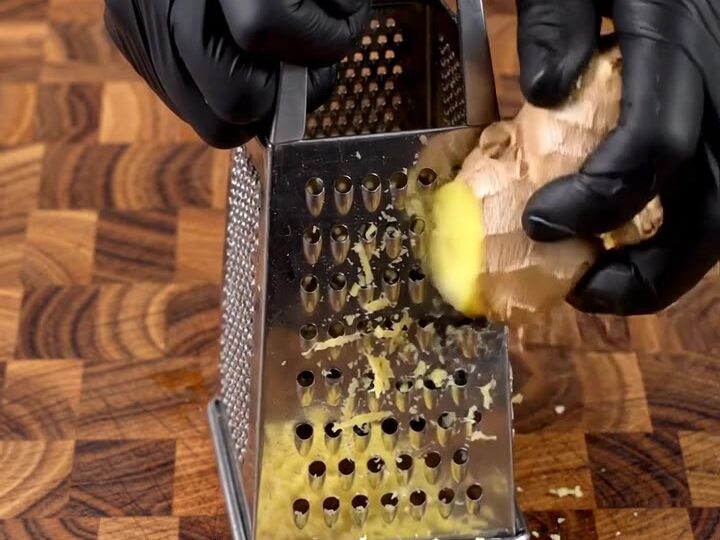
Mince two garlic cloves, keep four whole, and grate a one-inch piece of fresh ginger on a box grater, setting the fine pulp aside in a small dish. In a small bowl, whisk the honey, gochujang and soy sauce until the glaze is smooth. Measure the oil and butter and place them beside the stove so you can add them quickly.
Ingredients at a glance (11)
- 1 lb fresh raw octopus tentacles, cleaned and cut into bite-size pieces
- 1 lb large shrimp, peeled and deveined
- 4 green onions, white and light green parts sliced, plus more for garnish
- 6 cloves garlic, 4 whole and 2 minced
- 1 inch fresh ginger, grated on a box grater
- 2 tbsp neutral oil, such as vegetable or canola oil
- 2 tbsp unsalted butter
- 3 tbsp honey
- 2 tbsp gochujang (Korean red chili paste)
- 1 tbsp soy sauce
- 1 tbsp toasted sesame seeds, for garnish
Instructions
Sear the seafood until charred
- Prepare the seafood and aromaticsPat the octopus and shrimp dry with paper towels. Slice the green onions, mince two garlic cloves and grate the ginger on a box grater, setting the pulp aside. Keep the shrimp and octopus refrigerated until the pan is hot.Look for Seafood is dry to the touch and aromatics are prepped in small piles.Tip Dry seafood browns much faster, so pat it well before it reaches the pan.
- Mix the honey gochujang glazeIn a small bowl, whisk the honey, gochujang and soy sauce until smooth and glossy. Set the glaze aside next to the stove so it is ready to spoon over the seafood.Look for The glaze is smooth, glossy and free of lumps.Tip Warm the honey slightly if the gochujang is stiff, so the two blend easily.
After this phase, the octopus should have dark, charred edges and the shrimp should be pink and starting to turn golden on the outside. Butter should be foamy and the pan should smell toasty and savory, not acrid. Before moving on, check that the octopus is not sticking and that the shrimp are no longer translucent in the center.
If the pan looks crowded or the seafood is pale, pause and sear in two batches so the pieces color evenly instead of releasing liquid. Once the surfaces are browned, lower the heat slightly so the aromatics do not scorch when they go into the pan. Keep the tongs close and turn the pieces only when they release easily from the metal.
Build the glaze in the pan
- Sear the octopus and shrimpHeat the cast-iron skillet over high heat with the oil and butter until the butter foams. Add the octopus in a single layer and sear for 3 to 4 minutes, until the edges char. Add the shrimp and cook 2 minutes until they start to turn pink.Look for Octopus edges are charred and shrimp are turning pink and golden.Tip Work in two batches if the pan looks crowded, so the seafood sears instead of steams.
- Fragrance with garlic and gingerLower the heat to medium. Add the minced garlic, the whole garlic cloves and the grated ginger pulp to the pan. Stir for 30 seconds until the kitchen smells fragrant and the fat is aromatic.Look for The garlic turns pale gold and the ginger smells bright and warm.Tip Lower the heat before adding aromatics, since minced garlic scorches quickly in hot butter.
- Glaze and caramelizeSpoon the honey gochujang glaze over the shrimp and octopus. Toss and turn everything with tongs while the pan bubbles, for about 2 minutes, until the sauce thickens and caramelizes and coats every piece.Look for The sauce bubbles, darkens slightly and clings to the seafood.Safe temperature 145°F (63°C) internal temperature (shellfish)Tip Keep the seafood moving so the sugars caramelize without burning.
At the end of this phase, the garlic should be pale gold, the ginger should smell bright and warm, and the butter should look glossy. The honey gochujang mixture should be spooned in evenly and begin to bubble around the seafood. Check the color of the sauce: it should darken slightly and cling to the shrimp and octopus without pooling heavily in the pan. If the glaze starts to smoke or the sugars look black, lower the heat immediately and add a spoonful of water to loosen the sauce. The seafood should look shiny and evenly coated before you move to the garnish. Continue tossing for another minute if the sauce still looks thin.
Garnish and serve immediately
- Garnish and serve hotRemove the skillet from the heat and scatter the sliced green onions and toasted sesame seeds over the seafood. Serve hot, directly from the cast-iron skillet, with extra glaze spooned over the top.Look for Shrimp are opaque and glazed, octopus is tender with charred edges.Tip Serve right away, since the glaze sets and the octopus firms up as it cools.
When the skillet is ready to serve, the shrimp should be opaque and fully cooked, the octopus should be tender with charred edges, and the glaze should be thick and glossy. Green onion slices should look fresh and bright, and sesame seeds should smell nutty after toasting. Check that every piece is coated and that no raw spots remain on the shrimp. Taste a piece of octopus for tenderness before serving. If the sauce looks too thin, return the skillet to medium heat for thirty seconds while tossing. Serve the skillet hot, so the glaze stays sticky and the octopus keeps its chewy-tender texture.
Common mistakes
The most common mistake is overcrowding the skillet. Too much seafood releases moisture, the pan temperature drops, and the shrimp and octopus steam instead of searing. The result is pale, watery seafood with no charred edges. Cook in two batches if needed. Another frequent error is adding the glaze too early, while the pan is still very hot.
Honey and gochujang burn fast, leaving a bitter, black crust. Lower the heat before spooning in the glaze. Finally, many cooks skip drying the seafood. Surface water prevents browning and dilutes the sauce. Pat the octopus and shrimp dry, grate the ginger finely, and keep the tongs moving so every piece stays evenly coated.
How to tell it’s done
Shrimp are done when they are opaque, curled into a loose C shape, and glazed on the outside. Cook them until the center is no longer translucent. The safe internal temperature for shellfish is 145°F (63°C). Octopus is done when it is tender enough to pierce easily with a fork, with charred, slightly crisp edges.
Octopus that is still rubbery needs a little more time in the pan, but do not cook it so long that it turns tough. The glaze is ready when it is thick, sticky and clings to the seafood, with bubbles that look slow and glossy rather than thin and watery. If you are unsure about the shrimp, cut one open and check the center before serving.
- Shellfish: 145°F (63°C) in the thickest part
Up next · Part 3 of 3
4 variations · storage & make-ahead · 5 answers · printable card
Tips, FAQ & printable recipe (Part 3)← Back to the ingredients (Part 1)