Dinner · Part 2 of 3: Instructions
Honey Glazed Baked Ham with Caramelized Crust Step-by-step instructions
- Prep
- Cook
- Total
- Serves
- 12
Before you start
Before beginning, ensure the ham is removed from the refrigerator about 30 minutes prior to cooking so it loses its chill. Preheat your oven to 325°F (165°C) and clear adequate space on your counter for the roasting pan.
Have your sharpest carving knife ready for scoring, and gather your pastry brush and a meat thermometer to ensure the ham reaches the correct internal temperature safely. Preparing your workspace in advance allows for a smooth transition from scoring to roasting, ensuring that the ham is handled efficiently and the oven temperature remains stable throughout the entire cooking process.
Ingredients at a glance (2)
- 10 lb bone-in smoked ham
- 1 cup honey
Instructions
Preparation and Scoring
- Score and PreparePreheat the oven to 325°F (165°C). Use a sharp knife to score the surface of the ham in a diamond pattern to allow the glaze to penetrate deeply. Place the ham in a large roasting pan.Look for The surface is scored in a neat diamond pattern.Tip Ensure the scores are about one inch apart for optimal glaze distribution.
The ham should be dry and cold to the touch before scoring. When finished, the diamond pattern should be clearly visible across the surface, providing a decorative and functional texture that is ready to receive the honey glaze mixture.
Ensure the cuts are deep enough to create distinct diamonds but not so deep that they compromise the structural integrity of the roast. This phase sets the foundation for the entire dish, ensuring the glaze can penetrate the meat effectively and the final presentation is visually striking and professional.
Slow Roasting
- Glaze and BakeBrush a generous layer of honey over the entire surface of the scored ham. Place the pan in the oven and roast for approximately 2 to 2.5 hours, basting periodically with the pan juices. Ensure the meat reaches an internal temperature of 145°F (63°C) and let it rest for at least 3 minutes before serving.Look for The glaze appears thick, bubbly, and amber in color.Safe temperature 145°F (63°C) internal temperature (steaks, chops and roasts)Tip Baste every 30 minutes to build a deeper, more flavorful crust.
The kitchen should be filled with the savory, sweet aroma of roasting ham. The honey glaze will have thickened and begun to coat the meat, and the pan juices will be bubbling gently, indicating that the base flavors are developing correctly. The ham should start to take on a light golden hue as the honey begins to interact with the surface of the meat. Monitor the pan juices to ensure they do not evaporate completely, adding a small amount of water if necessary to maintain a moist environment inside the oven.
Glazing and Final Heat
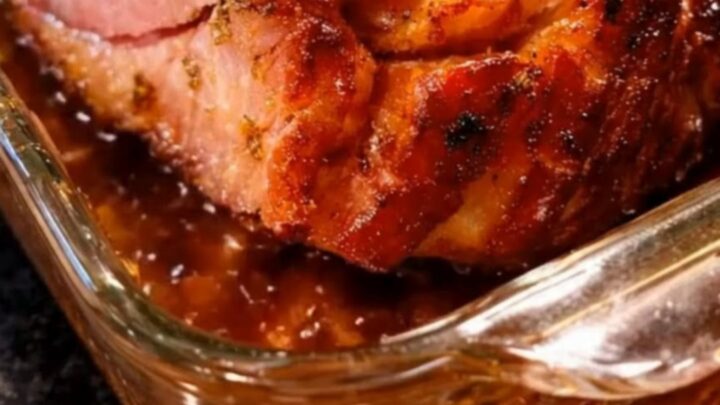
- Caramelize and FinishIncrease the oven temperature to 400°F (200°C) for the final 15 minutes to intensify the caramelization of the crust. Once the ham reaches a deep golden brown color and the glaze is sticky, remove it from the oven and serve immediately.Look for The crust is deep golden brown and sticky to the touch.Tip Do not skip the final heat blast as it creates the signature texture.
The final phase produces a sticky, caramelized crust that glistens under the light. The ham should feel firm yet springy to the touch, and the internal temperature will have reached the safe target, signaling it is ready to rest. The glaze will have transformed into a deep, rich amber color, indicating that the sugars have reached the perfect level of caramelization. Once this stage is reached, remove the ham from the oven, allow it to rest for the required time, and prepare to carve it into thin, succulent slices.
Common mistakes
Avoid skipping the resting phase, as this is crucial for the juices to settle, which keeps the meat moist. Do not use an overly aggressive heat for the entire cooking duration, as this will burn the sugars in the glaze before the interior is properly warmed.
Finally, ensure you do not slice the ham until it has rested, as this will cause the precious juices to run out prematurely. Proper temperature management and patience during the resting period are the most important factors in achieving a high-quality result that maintains its moisture and flavor profile.
How to tell it’s done
The ham is fully cooked when the meat thermometer inserted into the thickest part of the roast, away from the bone, registers at least 145°F (63°C). The meat should be tender and easily sliceable, while the crust should be firm, sticky, and a deep, glossy amber color.
If the glaze begins to darken too quickly, lightly tent the ham with foil. Always check the temperature in the center of the thickest portion to ensure accuracy, as this guarantees the meat is thoroughly heated and ready to be carved into beautiful, succulent slices for serving.
- Steaks, chops and roasts: 145°F (63°C) in the thickest part, then a 3-minute rest
Up next · Part 3 of 3
2 variations · storage & make-ahead · 3 answers · printable card
Tips, FAQ & printable recipe (Part 3)← Back to the ingredients (Part 1)