Dinner · Part 1 of 3: Ingredients
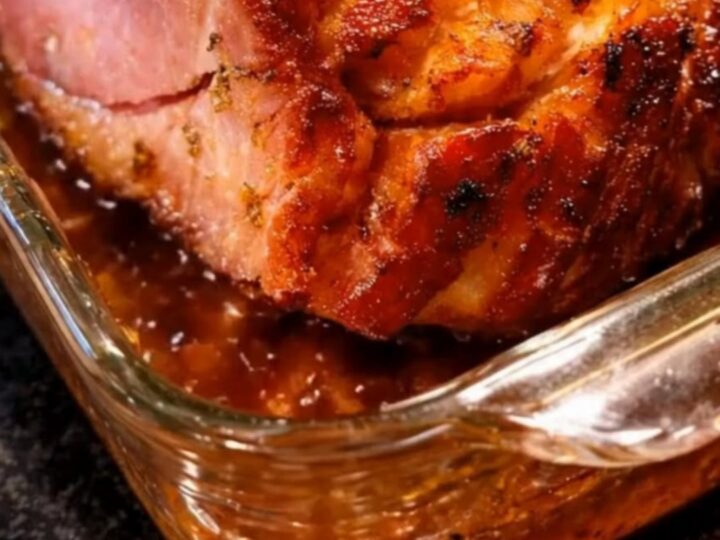
Honey Glazed Baked Ham with Caramelized Crust
- Prep
- Cook
- Total
- Serves
- 12
Elevate your next gathering with the timeless appeal of a honey-glazed ham. This recipe focuses on achieving that perfect balance of a sticky, caramelized exterior and incredibly tender, savory meat within. It is the ultimate centerpiece for holidays or any occasion calling for a hearty, impressive main course that brings everyone together around the table.
By mastering this simple, high-impact technique, you ensure that every slice served is packed with flavor, texture, and visual appeal, making it a reliable favorite for your culinary repertoire throughout the year.
Preparing a whole glazed ham is a straightforward process that yields professional results with minimal effort. By scoring the surface, you create pathways for the sweet, golden honey glaze to infuse every slice with flavor.
The key lies in the low-and-slow roasting method, followed by a final blast of heat that transforms the natural sugars into a beautiful, glossy, and deeply caramelized crust that looks as good as it tastes. This method is designed to provide consistent, succulent results, ensuring the ham remains moist while developing a complex, savory-sweet profile that delights guests and family alike at any dinner table.
Ingredients
Main
- 10 lb bone-in smoked ham
Glaze
- 1 cup honey
Why this recipe works
The scoring technique is essential for allowing the honey glaze to reach the inner layers of the ham, ensuring consistent flavor throughout the roast. This also helps the fat render more effectively, leading to a much more succulent and tender texture compared to roasting an un-scored ham.
By creating these channels, the glaze penetrates deeply, creating a harmonious balance between the savory meat and the sweet, sticky exterior that defines a classic baked ham. This method also enhances the visual presentation, as the diamond pattern becomes more pronounced and appetizing once the glaze has caramelized perfectly in the oven.
Roasting at a lower temperature keeps the protein moist while the glaze slowly thickens and concentrates. The final high-heat phase then triggers the Maillard reaction, creating that iconic golden-brown, sticky crust that provides a delightful textural contrast to the soft, savory meat beneath the surface.
This dual-stage cooking process is the secret to achieving a professional-grade finish at home. It allows the heat to penetrate the center of the roast evenly without drying out the exterior, ensuring the final product is both tender and flavorful, with a rich, amber-colored glaze that glistens beautifully when carved and served.
Notes and substitutions
Choose a high-quality bone-in smoked ham for the best flavor and moisture retention. The bone acts as a heat conductor, which helps the ham cook more evenly while providing a rich foundation for the pan juices that form the base of your serving sauce. When selecting your ham, look for one with a good layer of fat on the surface, as this will render down during the roasting process, contributing to the overall succulence of the meat and helping the honey glaze adhere and caramelize effectively for a superior final result.
Use a heavy-duty roasting pan that is large enough to contain the ham comfortably. A glass or ceramic dish works well for serving, but a metal pan is often better for initial roasting as it conducts heat efficiently, helping the honey in the glaze caramelize properly during the final stages of cooking. Ensure you have a reliable meat thermometer on hand to monitor the internal temperature, as this is the most accurate way to guarantee the ham is perfectly cooked, safe to eat, and remains as juicy as possible for your guests.
- honey: maple syrup
Equipment
- large roasting pan
- pastry brush
- sharp carving knife
- meat thermometer
Up next · Part 2 of 3
3 steps · 2 h 30 min of cooking · what to look for at each stage
Step-by-step instructions (Part 2)