Dinner · Part 3 of 3: Tips & recipe card
Herb Butter Lemon Capers Snow Crab: 10-Minute Prep Crockpot Seafood Tips, FAQ & printable recipe
- Prep
- Cook
- Total
- Serves
- 6
Tips for success
To keep the shrimp from overcooking, choose jumbo or extra-jumbo shrimp and arrange them in a single layer if possible. If your slow cooker runs hot, check the dish at the 3-hour mark. The shrimp are done when they turn pink and curl slightly.
If they are still translucent, continue cooking but check every 15 minutes. For the crab, remember that it is already cooked; it only needs to be heated through, so avoid leaving it in the slow cooker for more than 4 hours to prevent the meat from becoming waterlogged.
The sauce is the star here. If it seems too thin after cooking, you can thicken it by removing the seafood and simmering the sauce on the stovetop for a few minutes, or by whisking in a teaspoon of cornstarch mixed with water.
To brighten the flavor, add a squeeze of fresh lemon juice just before serving. The capers provide saltiness, so taste the sauce before adding any additional salt. Serve with crusty bread or rice to soak up every last drop.
Variations
- Spicy Cajun Seafood: Add 1 tablespoon Cajun seasoning and 1/2 teaspoon cayenne pepper to the butter before adding. Use andouille sausage slices as an extra layer. The spice complements the sweetness of the crab and shrimp.
- Garlic Lover's Version: Increase the garlic in the scampi butter to 4 cloves, and add 2 whole garlic cloves to the slow cooker. The garlic will infuse the butter and wine, making the sauce intensely savory.
- Tomato-Basil Twist: Add 1 cup cherry tomatoes and 1/4 cup fresh basil leaves with the lemon slices. The tomatoes will burst during cooking, adding sweetness and acidity to the sauce.
- Butter-Free Option: Replace the scampi butter with 1/4 cup olive oil mixed with 2 minced garlic cloves and 2 tablespoons chopped parsley. This dairy-free version still yields a rich, herbaceous sauce.
Storage and make-ahead
- Fridge
- Store leftovers in an airtight container in the refrigerator for up to 3 days. Keep the sauce separate from the rice to maintain texture.
- Freezer
- Freeze for up to 2 months in a freezer-safe container. Thaw overnight in the refrigerator before reheating.
- Reheat
- Reheat gently in a skillet over low heat with a splash of water or wine, or in the microwave in 30-second bursts, until heated through.
Leftover seafood can be stored in an airtight container in the refrigerator for up to 3 days. Keep the sauce separate from the rice to prevent the rice from becoming soggy. When reheating, gently warm the seafood in the sauce in a skillet over low heat, or in the microwave in 30-second intervals, until heated through. Avoid boiling, as it will make the shrimp tough.
The seafood can be prepped and layered in the slow cooker insert the night before. Cover and refrigerate, then place the insert in the slow cooker and cook on low as directed, adding 15-30 minutes to the cooking time if starting from cold. The parsley-garlic butter can also be made ahead and stored in the refrigerator for up to a week, or frozen for up to 3 months.
Serving ideas
Serve the seafood boil directly from the slow cooker for a casual, family-style dinner. Place the slow cooker on the table with the slotted spoon, and let everyone help themselves.
Offer steamed jasmine rice in a separate bowl, and pass lemon wedges for squeezing over the top. The sauce can be spooned over the rice or used as a dipping sauce for crusty bread. This dish pairs well with a crisp green salad or steamed asparagus.
For a more elegant presentation, plate the seafood over a bed of jasmine rice, arranging the crab clusters and shrimp artfully. Spoon the lemon-caper butter sauce over the top and garnish with fresh parsley and lemon wedges.
This makes a beautiful dinner for guests, and the bright colors of the lemon and capers against the golden sauce are visually appealing. The sauce can be served on the side in a small pitcher for those who want extra.
Frequently asked questions
Can this recipe be made with frozen seafood?
What is the best way to reheat leftovers without drying them out?
Can this recipe be cooked on high instead of low?
Is it necessary to use Meyer lemons, or can regular lemons be used?
Can this dish be made without wine?
Herb Butter Lemon Capers Snow Crab: 10-Minute Prep Crockpot Seafood
Ingredients
- 2 lb snow crab clusters
- 2 lb raw jumbo shrimp, peeled and deveined
- 2 Meyer lemons, thinly sliced
- 1/4 cup capers, drained
- 1/2 cup dry white wine
- 6 tbsp parsley-garlic scampi butter, softened
- 2 cups cooked jasmine rice, for serving
- lemon wedges, for serving
Instructions
- Place the snow crab clusters and jumbo shrimp in the slow cooker, spreading them evenly across the bottom. The crab can be left in clusters; the shrimp should be in a single layer as much as possible.
- Arrange the Meyer lemon slices over the seafood, tucking them between the crab clusters. Sprinkle the drained capers evenly over the top.
- Pour the white wine over the seafood and lemon-caper mixture. Tilt the slow cooker slightly to distribute the wine, but do not stir.
- Dot the parsley-garlic scampi butter over the top of the seafood in six thick pats. Place them evenly so they melt and distribute as the slow cooker heats.
- Cover the slow cooker and cook on low for 4 hours, or until the shrimp are opaque and the crab is heated through. Do not lift the lid during the first 3 hours to keep the heat steady.
- Check that the shrimp are pink and opaque, and the crab meat is hot. The internal temperature of the seafood should reach 145°F (63°C). If not, cover and cook for another 30 minutes.
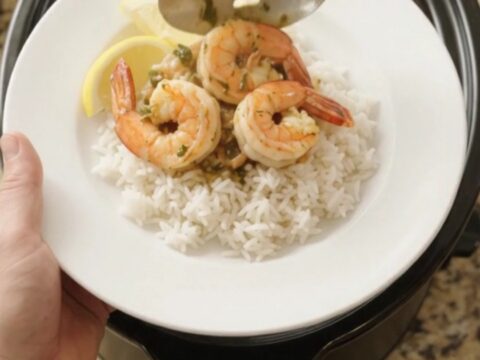
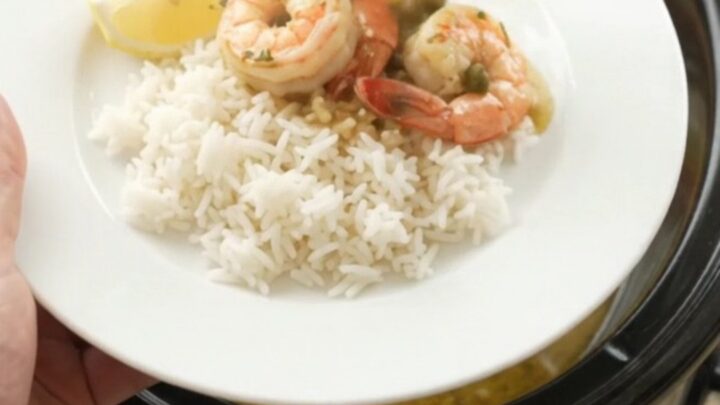
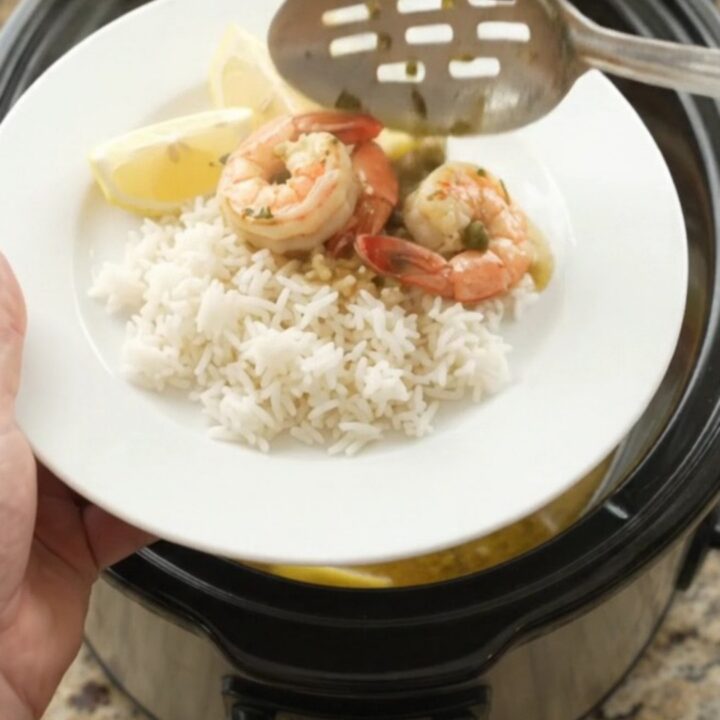
- Using a slotted spoon, lift the crab clusters and shrimp from the butter sauce, letting the excess drip back into the slow cooker. Serve immediately over steamed jasmine rice with lemon wedges on the side.
Estimated nutrition per serving
- Calories
- 420
- Protein
- 38 g
- Carbohydrates
- 25 g
- Fat
- 18 g
Next recipe
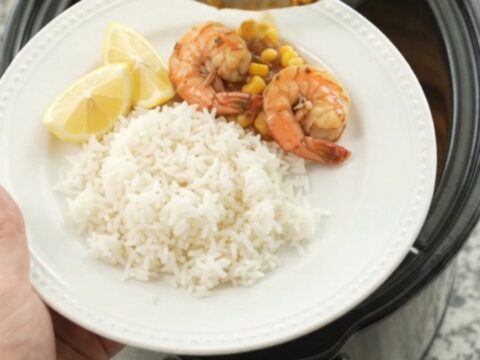
Bayou Butter Garlic Corn Snow Crab: One-Pot Slow Cooker Seafood
See the recipe → →This recipe is based on a short cooking video and is published under the pen name Clara Weller. It was checked before publication, but errors can slip through. Nutrition, when shown, is an estimate. Read more in our editorial policy and on our food safety page.
More recipes to try
Bayou Butter Lemon Capers Snow Crab
Total time: 4 h 10 min
Slow Cooker Herb Butter Seafood Boil
Total time: 4 h 15 min
Slow-Cooker Old Bay Butter Garlic Snow Crab and Shrimp
Total time: 3 h 15 min
Slow-Cooker Old Bay Butter Snow Crab and Shrimp
Total time: 2 h 15 min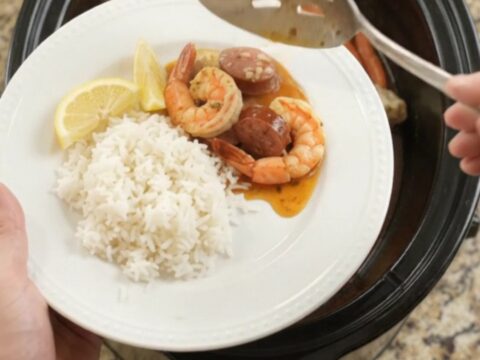
Bayou Butter Andouille Boil Snow Crab: Easy Slow Cooker Seafood Feast
Total time: 4 h 15 min