Desserts · Part 2 of 3: Instructions
Golden Skillet Tiramisu Cake with Espresso Mascarpone Step-by-step instructions
- Prep
- Cook
- Total
- Serves
- 8
Before you start
Before starting, make sure the mascarpone is at room temperature and the eggs are separated. Brew the espresso and let it cool slightly. Butter the skillet generously. Have all ingredients measured and ready, as the assembly goes quickly.
Preheat the oven to 350°F (175°C) if you plan to bake immediately, or prepare the skillet for stovetop cooking first. Keep the grated mascarpone chilled if you grated it ahead.
Ingredients at a glance (11)
- 24 ladyfingers (savoiardi)
- 1 1/2 cups freshly brewed espresso, cooled
- 16 oz mascarpone cheese, at room temperature
- 3/4 cup granulated sugar
- 3 large eggs, separated
- 1 tsp vanilla extract
- 1 cup all-purpose flour
- 1 1/2 tsp baking powder
- 1/4 tsp fine salt
- 4 tbsp unsalted butter, melted, plus more for the skillet
- 2 tbsp unsweetened cocoa powder, for dusting
Instructions
Prep and Mix
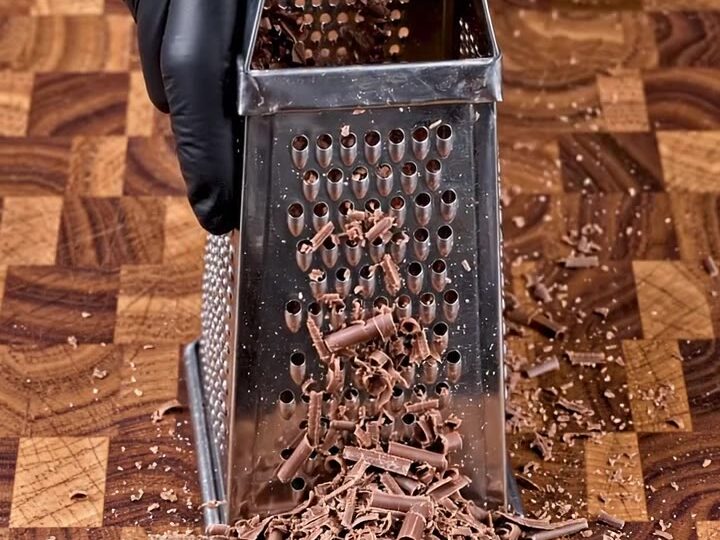
- Prep the ingredientsSlice the ladyfingers in half lengthwise if they are thick, and set them aside. Grate the block of mascarpone? If using a block, grate it finely on a box grater into a fluffy mound. Separate the eggs, placing the yolks in a large bowl and the whites in a separate clean bowl. Measure the espresso, sugar, flour, baking powder, salt, and vanilla.Look for The mascarpone is grated into a light, fluffy mound; ladyfingers are sliced and ready.Tip Keep the grated mascarpone chilled until ready to use so it stays firm.
- Make the mascarpone fillingIn a large bowl, beat the mascarpone with the sugar until smooth. Add the egg yolks one at a time, beating well after each addition, then stir in the vanilla. In a separate bowl, whip the egg whites with a pinch of salt until stiff peaks form. Gently fold the whipped whites into the mascarpone mixture in three additions until no streaks remain.Look for The filling is light, airy, and glossy, with no visible streaks of egg white.Tip Fold gently with a spatula to keep the mixture airy; overmixing will deflate it.
- Prepare the flour mixtureIn a small bowl, whisk together the flour, baking powder, and the remaining salt. Set aside. This dry mixture will be folded into the mascarpone base later to give the cake structure.Look for The flour mixture is uniform and free of lumps.Tip Whisking the dry ingredients together ensures even leavening.
At the end of this phase, you should have a fluffy mound of grated mascarpone, a bowl of whipped egg whites, and a smooth mascarpone mixture. The flour mixture is whisked and ready. The kitchen smells of espresso and vanilla. Everything is measured and within reach, so assembly will be seamless.
Assemble and Bake
- Assemble the skillet cakeBrush the bottom and sides of a 10-inch cast-iron skillet with melted butter. Dip each ladyfinger briefly into the espresso, just enough to soak without becoming soggy, and arrange half of them in a single layer over the bottom of the skillet, breaking to fit as needed. Spread half of the mascarpone mixture over the ladyfingers. Repeat with the remaining ladyfingers and mascarpone mixture, ending with a smooth top.Look for The skillet is filled with alternating layers of espresso-soaked ladyfingers and creamy mascarpone.Tip Dip the ladyfingers quickly—about 1 second per side—so they hold their shape.
- Add the flour mixtureSprinkle the flour mixture evenly over the top of the mascarpone layer. Using a spatula, gently fold it into the top layer, being careful not to disturb the ladyfingers underneath. The batter should be smooth and thick.Look for The flour is fully incorporated into the top layer, forming a thick batter.Tip Fold just until combined; overmixing can make the cake tough.
- Cook until golden and bubblingPlace the skillet over medium heat on the stovetop. Cook for 5 minutes, then transfer to a preheated 350°F (175°C) oven. Bake for 20 to 25 minutes, until the top is golden brown and the edges are bubbling. The center should be set but still moist.Look for The cake is golden on top, the edges are bubbling, and the center is set.Safe temperature 160°F (71°C) internal temperature (egg dishes)Tip If the top browns too quickly, tent loosely with foil.
The skillet is filled with layers of espresso-soaked ladyfingers and mascarpone, topped with the flour mixture. As it bakes, the top turns golden brown and the edges begin to bubble.
The aroma of coffee and butter fills the kitchen. The center should be set but still moist, and the internal temperature should reach 160°F (71°C).
Finish and Serve
- Finish and serveRemove the skillet from the oven and let it rest for 5 minutes. Dust generously with cocoa powder. Slice through the center with a sharp knife and serve hot, cutting thick triangular wedges directly from the skillet.Look for The cake is warm, fragrant, and dusted with cocoa; wedges hold their shape.Tip Use a serrated knife for clean slices through the ladyfingers.
After resting, the cake is dusted with cocoa and sliced into thick wedges. The layers are visible, the ladyfingers soft and espresso-infused, the mascarpone creamy and set. The cake is warm, fragrant, and ready to be served hot from the skillet.
Common mistakes
One common mistake is over-soaking the ladyfingers, which makes them mushy and causes the cake to become soggy. Dip them quickly, just a second per side. Another mistake is overmixing the batter after adding the flour, which can make the cake tough.
Fold gently until just combined. Also, be sure to use a skillet that is oven-safe; if you use a skillet with a plastic handle, wrap it in foil or transfer the cake to a baking dish before baking.
How to tell it’s done
The cake is done when the top is golden brown and the edges are bubbling. The center should be set but still moist—a toothpick inserted into the center should come out with a few moist crumbs, not wet batter.
The internal temperature of the egg-based filling should reach at least 160°F (71°C) to ensure the eggs are fully cooked. Let the cake rest for 5 minutes before serving to allow the layers to set slightly.
- Egg dishes: 160°F (71°C) in the thickest part
Up next · Part 3 of 3
4 variations · storage & make-ahead · 5 answers · printable card
Tips, FAQ & printable recipe (Part 3)← Back to the ingredients (Part 1)