Dinner · Part 2 of 3: Instructions
Garlic Rosemary Cast Iron Ribeye Steak with Butter Basting Step-by-step instructions
- Prep
- Cook
- Total
- Serves
- 2
Before you start
Before you turn on the stove, remove the ribeye steak from the refrigerator and let it sit at room temperature for up to thirty minutes. This step is crucial because a cold steak will drop the pan's temperature instantly and cook unevenly.
Pat the surface of the meat completely dry with paper towels, as any moisture will create steam and prevent a good sear. Finally, measure out your butter, crush the garlic cloves with the flat side of a knife, and gather your fresh rosemary sprigs so everything is ready to go.
Ingredients at a glance (4)
- 1 lb bone-in ribeye steak, about 1.5 inches thick
- 3 tbsp unsalted butter
- 4 garlic cloves, crushed
- 3 fresh rosemary sprigs
Instructions
Searing the Steak
- Prep the Cast-Iron SkilletPlace a heavy cast-iron skillet over high heat until it is smoking hot. Ensure the pan is completely dry and heated evenly across the surface before introducing the meat, which helps achieve a professional-grade sear.Look for The skillet should be smoking hot and dry.Tip A dry, hot pan is essential for getting a deep crust without oil.
- Sear the Ribeye SteakCarefully lay the ribeye steak in the center of the hot skillet. Sear undisturbed for about two to three minutes on the first side until a deep, dark-brown crust forms, then flip and sear the second side for another two minutes.Look for A loud, intense sizzle should be heard immediately, and a rich crust should form.Tip Lay the steak in the pan away from you to prevent hot juices from splashing.
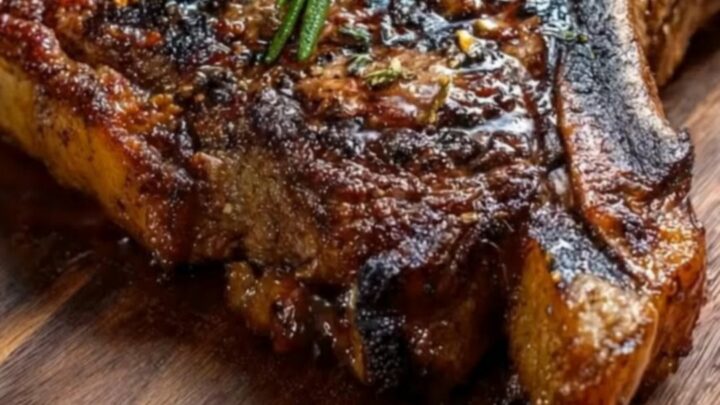
At the end of this phase, the ribeye should have a deeply caramelized, dark-brown crust on both sides. You will hear a loud, intense sizzling sound throughout the searing process, and the kitchen will fill with a rich, savory aroma.
The steak should release easily from the bottom of the cast-iron skillet when you gently lift it with tongs. Make sure both flat sides and the thick fat cap on the edge are beautifully browned before moving on.
Butter Basting
- Baste with Garlic and RosemaryReduce the heat to medium-low. Add the unsalted butter, crushed garlic cloves, and fresh rosemary sprigs to the skillet. Tilt the pan slightly so the melted butter pools on one side. Use a large spoon to repeatedly scoop the hot, foamy, aromatic butter and spoon it over the top of the searing steak for about two minutes, ensuring the meat reaches a safe internal temperature of 145°F (63°C). Remove the steak from the heat and let it rest for at least 3 minutes.Look for The butter should foam up and turn golden, smelling strongly of garlic and rosemary.Safe temperature 145°F (63°C) internal temperature (steaks, chops and roasts)Tip Spoon the butter quickly and continuously to cook the steak evenly from the top.
By the end of the basting phase, the butter in the skillet should be highly foamy, bubbling actively, and turning a light golden-brown color. The crushed garlic and fresh rosemary sprigs will smell incredibly fragrant and herbal, without showing any signs of burning. The continuous spooning of the hot, foamy butter over the top of the steak will create a glossy, rich glaze over the entire seared surface of the meat.
Resting the Meat
- Rest and Serve the SteakTransfer the seared ribeye steak from the cast-iron skillet to a rustic wooden cutting board. Pour the remaining pan juices, garlic, and rosemary over the top of the steak. Let the meat rest undisturbed to allow the juices to redistribute throughout the muscle fibers before carving and serving.Look for The steak should rest quietly, absorbing the flavorful butter glaze on the board.Tip Resting is crucial; slicing too early will cause all the delicious juices to run out.
After resting, the ribeye will appear plump and incredibly juicy, with a beautiful matte finish on the crust as the excess butter settles. When you press the center of the steak gently with your finger, it should feel firm yet yielding. There should be a small pool of rich, flavorful juices collected on the cutting board, which can be spooned back over the sliced steak just before serving to maximize moisture and flavor.
Common mistakes
One of the most common mistakes is moving the steak around too much once it hits the hot skillet. To build a proper crust, the meat needs continuous, undisturbed contact with the hot cast iron; let it sear patiently before flipping.
Another frequent error is adding the butter, garlic, and rosemary too early. Because butter has a low smoke point and garlic burns easily, they must be added only during the final minutes of cooking. If added at the start, they will burn and impart a bitter, acrid flavor to your beautiful steak.
How to tell it’s done
To ensure the steak is perfectly cooked and safe to eat, always rely on an instant-read digital meat thermometer rather than guessing. Insert the thermometer probe into the thickest part of the meat, avoiding the bone and pockets of pure fat.
For a safe and delicious result, cook the ribeye until the internal temperature reaches at least 145°F (63°C) as recommended by food safety guidelines. Keep in mind that the temperature will continue to rise by a few degrees while the meat rests on the board.
- Steaks, chops and roasts: 145°F (63°C) in the thickest part, then a 3-minute rest
Up next · Part 3 of 3
2 variations · storage & make-ahead · 4 answers · printable card
Tips, FAQ & printable recipe (Part 3)← Back to the ingredients (Part 1)