Dinner · Part 1 of 3: Ingredients
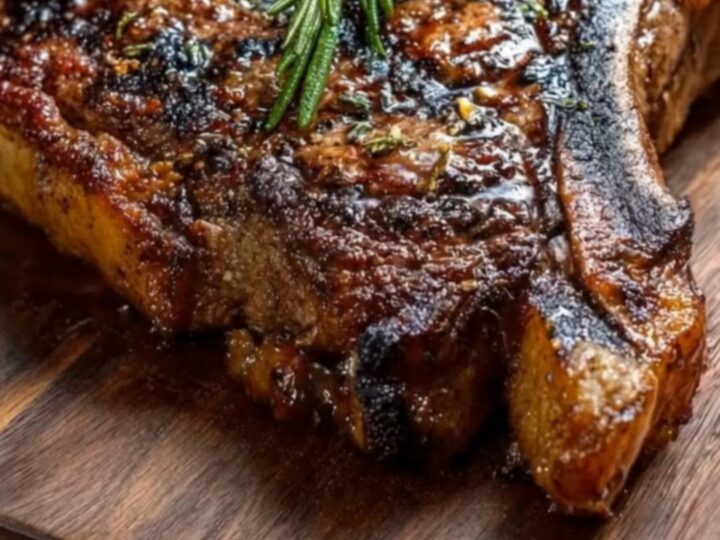
Garlic Rosemary Cast Iron Ribeye Steak with Butter Basting
- Prep
- Cook
- Total
- Serves
- 2
Nothing beats the sizzle of a thick, juicy ribeye steak hitting a smoking-hot cast-iron skillet. This classic steakhouse preparation brings the luxury of a professional kitchen right to your dinner table. With a deeply caramelized crust and an ultra-tender, butter-basted interior, this garlic rosemary ribeye is the ultimate feast for any meat lover looking to elevate their home cooking.
Cooking a premium cut of meat like a ribeye can feel intimidating, but the process is surprisingly straightforward when you master a few basic techniques. By using a heavy cast-iron skillet, you can achieve a gorgeous, deeply browned crust that seals in all the natural juices.
The real magic happens at the end of the cooking process, when you baste the steak with a generous amount of melted butter, crushed garlic, and fresh rosemary sprigs. This classic French technique, known as arrosé, bathes the meat in rich, aromatic flavors and ensures a perfectly moist finish.
Ingredients
- 1 lb bone-in ribeye steak, about 1.5 inches thick
- 3 tbsp unsalted butter
- 4 garlic cloves, crushed
- 3 fresh rosemary sprigs
Why this recipe works
The secret to this recipe's success lies in the thermal properties of cast iron. A heavy cast-iron skillet retains an immense amount of heat, which prevents the pan's temperature from dropping when the cold meat is added.
This intense, sustained heat is absolutely crucial for triggering the Maillard reaction, a chemical process that creates the complex, savory flavors and beautiful dark-brown crust on the surface of the steak. Without high heat, the steak would steam in its own juices rather than sear, resulting in a grey, unappealing exterior.
In addition to the initial high-heat sear, the butter-basting technique plays a dual role in flavor and texture. As the unsalted butter melts and foams in the hot pan, its milk solids begin to brown, adding a rich, nutty depth to the dish.
Spooning this hot, aromatic liquid repeatedly over the steak gently cooks the meat from the top down, ensuring a more even heat distribution. The crushed garlic cloves and fresh rosemary release their fat-soluble essential oils directly into the butter, infusing every fiber of the ribeye with herbal warmth.
Notes and substitutions
When choosing your meat, look for a bone-in ribeye that is at least one and a half inches thick. Thicker cuts are much easier to sear properly without overcooking the center, allowing you to achieve that perfect contrast between a crispy crust and a juicy interior. Look for abundant white flecks of intramuscular fat, known as marbling, distributed throughout the meat. This fat melts during the cooking process, basting the steak from the inside out and providing the rich flavor and melt-in-your-mouth texture that ribeyes are famous for.
For the best results, use high-quality unsalted butter so you can fully control the flavor profile of your dish. Fresh rosemary and garlic are absolutely essential, as their vibrant, natural oils infuse the melted butter during the basting process.
Avoid using dried herbs or garlic powder, as they will burn instantly under the intense heat of the skillet and leave an unpleasant, bitter taste on the steak. A heavy cast-iron skillet is the ideal vessel here, as it maintains the high heat necessary to sear the meat beautifully without needing any added cooking oils.
Equipment
- Cast-iron skillet
- Tongs
- Spoon
- Meat thermometer
- Wooden cutting board
Up next · Part 2 of 3
4 steps · 10 min of cooking · what to look for at each stage
Step-by-step instructions (Part 2)