Dinner · Part 2 of 3: Instructions
Garlic Herb Butter Pan-Seared Arctic Char with Crispy Skin Step-by-step instructions
- Prep
- Cook
- Total
- Serves
- 2
Before you start
Start by setting out every ingredient and tool before the skillet goes on the heat, because this dish moves quickly once the butter is melted. Take the arctic char from the refrigerator only when you are ready to cook, and leave it out for no more than 30 minutes. Pat the skin completely dry with paper towels, since moisture is the main enemy of crisp skin.
Mince the garlic and chop the herbs, then combine them in a small bowl with a pinch of coarse salt. Grate the hard cheese on the fine holes of a box grater so it is ready to sprinkle at the end. Rinse and halve the cherry tomatoes if you prefer smaller pieces, and pick the dill into sprigs. Have the tongs, the black cast iron skillet and a clean plate close at hand.
Ingredients at a glance (8)
- 2 skin-on arctic char fillets, about 6 oz each
- 1 tsp coarse salt, plus more to taste
- 4 cloves garlic, minced, plus 2 whole cloves
- 2 tbsp chopped fresh herbs, such as parsley or chives
- 4 tbsp unsalted butter
- 1 cup cherry tomatoes
- fresh dill sprigs, for serving
- hard cheese, finely grated, for serving (optional)
Instructions
Phase one: sear skin-side up
- Prepare the fish and garlicKeep the arctic char in the refrigerator until you are ready to cook, for no more than 30 minutes out. Pat the skin dry, then score the flesh with a sharp knife. Mix the minced garlic and chopped herbs, and spread them over the cut surface with a light sprinkle of coarse salt.Look for The skin feels dry to the touch and the flesh shows light, even cuts.Tip Dry skin browns and crisps far better than damp skin.
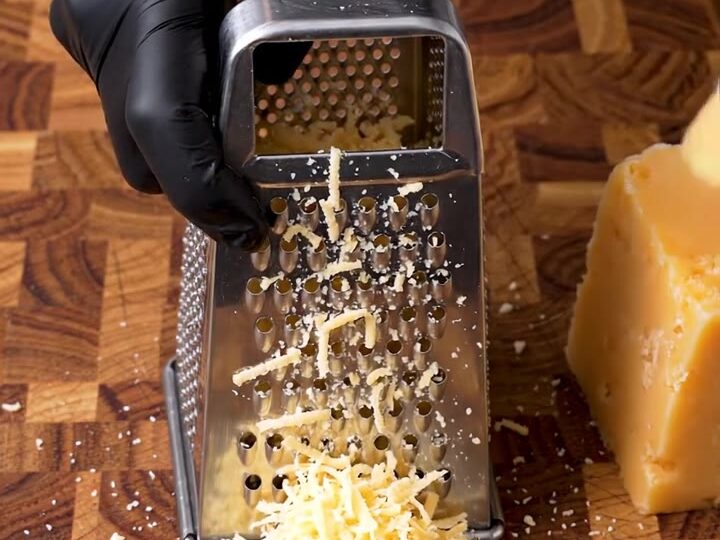
- Grate the cheeseGrate the hard cheese with the fine holes of a box grater onto the board or into a small bowl. Keep the shreds loose and fluffy so they are ready to sprinkle over the fish at serving time.Look for The cheese falls in light, fluffy shreds.Tip Grate the cheese just before serving so it stays fresh.
The butter should be fully melted and foaming, and the fillets should sit flat in the skillet with the scored flesh facing up. The cherry tomatoes will be starting to soften and split around the fish, and the sizzle should be steady without any smoke. The skin will look pale and dry at this stage, which is normal.
Before going on, check that the butter is not browning too fast, and lower the heat slightly if it begins to darken. Spoon the butter over the flesh so the herbs and garlic from the seasoning stay on the surface and begin to toast. When the sizzle softens and the edges of the fillets turn opaque, the fish is ready to be turned.
Phase two: flip and crisp
- Melt the butter and sear skin-side upMelt the butter in the black cast iron skillet over medium heat until it foams. Place the fillets skin-side up in the butter, add the cherry tomatoes around them, and spoon the butter over the fish as it sizzles.Look for The butter foams and sizzles around the fillets.Tip Keep the heat moderate so the butter browns but does not burn.
- Flip and baste until the skin crispsUse tongs to flip the fillets, then cook until the skin turns golden and crisp and the flesh is opaque. Tuck the dill sprigs and the whole garlic cloves into the bubbling butter, and keep spooning the butter over the fish.Look for The skin turns deep golden and the butter bubbles around the fish.Safe temperature 145°F (63°C) internal temperature (fish)Tip Press the fillets gently with the tongs for the first few seconds to keep the skin flat.
After flipping with tongs, the skin should turn golden and crisp within a few minutes, and the flesh should show a thin opaque layer along the edges. Dill sprigs and whole garlic cloves should sit in the bubbling butter, releasing a fresh herbal and garlic aroma. Look for tomatoes that have blistered and split, with their juices mingling into the butter. Before serving, check that the thickest part of each fillet has turned opaque all the way through and that the skin is crisp rather than soft. If the skin is still pale, let it cook a little longer on the flesh side, and keep spooning the butter over the fish to keep it moist.
Phase three: plate and serve
- Serve with blistered tomatoes and herb butterTransfer the fish to plates, skin side up. Spoon the blistered tomatoes and the herb butter from the skillet over the top, then finish with grated cheese and extra dill if you like. Serve right away while the skin is still crisp.Look for Blistered tomatoes and glossy butter cling to the crisp skin.Tip Spoon the butter over the fish just before serving to keep the skin crisp.
The fish is ready to plate when the skin is deep golden and crackling, the flesh has turned opaque, and the tomatoes have blistered into a glossy sauce with the butter. Move the fillets gently to plates with a spatula so the skin stays intact, then spoon the tomatoes and herb butter over the top. Taste a small piece of the flesh at the thickest point to check seasoning before adding more salt. Sprinkle the grated cheese and any extra dill over the dish just before serving so the shreds stay fluffy. Serve immediately, because the skin softens as it sits in the butter.
Common mistakes
The most common mistake is starting with damp skin, which steams instead of crisping and leaves the fillets pale. Another is cooking over heat that is too high, so the butter browns and then burns before the skin has time to turn golden. Avoid crowding the skillet with too many tomatoes, which lowers the temperature and makes them stew rather than blister.
Do not flip the fillets too early: if the skin has not set, it will stick and tear. Finally, do not skip spooning the butter over the fish, because the baste keeps the flesh moist and carries the garlic and herb flavour through the dish. Keep the cooking time short and check the thickest part of each fillet for doneness, rather than relying only on the colour of the skin.
How to tell it’s done
The fish is done when the flesh has turned opaque all the way through at its thickest point and flakes easily when pressed gently with a fork. For arctic char, the safe internal temperature is 145°F (63°C), and an instant-read thermometer inserted into the thickest part should show that reading. The skin should be deep golden and crisp, not pale or rubbery.
The tomatoes should be blistered and split, and the butter should be glossy and foaming. If the centre is still translucent, return the fillets to the butter for another minute, spooning the fat over them, and check again. Once the fish reaches 145°F (63°C), remove it from the skillet and serve without delay.
- Fish: 145°F (63°C) in the thickest part
Up next · Part 3 of 3
4 variations · storage & make-ahead · 5 answers · printable card
Tips, FAQ & printable recipe (Part 3)← Back to the ingredients (Part 1)