Dinner · Part 2 of 3: Instructions
Garlic Butter Ribeye Steaks Step-by-step instructions
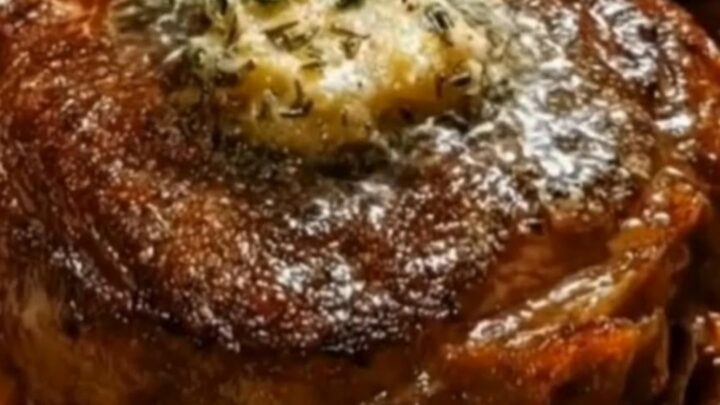
- Prep
- Cook
- Total
- Serves
- 2
Before you start
Preparation is the key to success when cooking at high temperatures. Begin by removing the ribeye steaks from the refrigerator exactly thirty minutes before cooking. This allows the meat to come closer to room temperature, ensuring even cooking throughout.
Pat the steaks completely dry with paper towels; any surface moisture will create steam and prevent a deep sear. Measure out the butter, smash the garlic cloves, and set aside the fresh thyme sprigs so they are ready to go.
Ingredients at a glance (4)
- 2 thick-cut ribeye steaks (about 1.5 lb total)
- 4 tbsp unsalted butter
- 4 cloves garlic, smashed
- 4 sprigs fresh thyme
Instructions
Searing the Steaks
- Prep the SteaksRemove the thick-cut ribeye steaks from the refrigerator 30 minutes before cooking to bring them to room temperature. Pat the steaks completely dry with paper towels to ensure a perfect sear.Look for The meat should look dry and be ready for the hot skillet.Tip Drying the surface of the meat is crucial for achieving a deep, caramelized crust.
- Sear the SteaksHeat a heavy cast-iron skillet over high heat until it is smoking hot. Place the steaks in the dry skillet. Sear the steaks undisturbed for about 3 to 4 minutes on the first side until a deep, dark brown crust forms. Flip the steaks and sear the other side for another 2 to 3 minutes.Look for A rich, caramelized crust should cover the entire bottom surface.Tip Do not move the steaks around while searing to ensure the crust develops fully.
At the end of this phase, the steaks should have a deeply caramelized, dark brown crust on both the top and bottom surfaces. The kitchen will fill with a rich, savory aroma of seared beef.
When pressed lightly, the exterior of the meat should feel firm, indicating that a solid crust has successfully formed, while the center remains tender and ready for the butter-basting process.
Butter Basting
- Baste with Garlic Herb ButterReduce the heat to medium-high and add the unsalted butter, smashed garlic cloves, and fresh thyme sprigs to the skillet. Tilt the pan slightly and use a large spoon to continuously spoon the foaming, melted herb butter over the steaks. Cook, basting constantly, until the internal temperature of the steaks reaches 145°F (63°C). Remove the steaks from the heat and let them rest for at least 3 minutes before slicing.Look for The butter should be foaming and smell highly aromatic with garlic and thyme.Safe temperature 145°F (63°C) internal temperature (steaks, chops and roasts)Tip Basting continuously ensures the steaks cook evenly and absorb maximum flavor.
The skillet will be filled with a foaming, golden-brown butter that bubbles rapidly around the steaks. The aroma of toasted garlic and warm, earthy thyme will be highly pronounced. The steaks will have absorbed the rich butter, appearing glossy and deeply flavorful. The internal temperature must reach a safe level before removing the pan from the heat source.
Resting and Serving
- Rest and ServeTransfer the steaks immediately from the skillet to a warm wooden cutting board. Pour the remaining garlic herb butter from the pan over the top of the steaks. Let the steaks rest for at least 3 minutes before slicing to allow the juices to redistribute. Garnish with additional fresh thyme if desired.Look for The steaks will look glossy and rest quietly as the juices settle.Tip Cutting the steak too early will cause the delicious juices to run out, drying the meat.
The steaks will rest quietly on the wooden board, allowing the hot juices to settle back into the center of the meat. A glistening pool of herb butter will slowly melt over the warm crust. When sliced, the meat should reveal a perfectly cooked, juicy interior that is tender to the touch, with the fragrant thyme sprigs providing a beautiful final garnish.
Common mistakes
The most common mistake when cooking steak in a skillet is moving the meat around too much. Once the steak is placed in the hot pan, leave it completely undisturbed for the first few minutes. Moving the meat prevents the crust from developing properly.
Another frequent error is using a pan that is not hot enough, which leads to a gray, boiled appearance rather than a rich sear. Lastly, skipping the resting period will cause all the delicious juices to run out onto the cutting board, leaving the steak dry and tough.
How to tell it’s done
To accurately determine doneness, always use a digital meat thermometer inserted into the thickest part of the steak. For a safe and perfectly cooked medium-rare to medium steak, cook until the internal temperature reaches 145°F (63°C).
Once this temperature is reached, immediately transfer the steaks to a cutting board. It is absolutely essential to let the meat rest for at least 3 minutes before slicing. This rest period allows the muscle fibers to relax and reabsorb the hot juices, ensuring a tender bite.
- Steaks, chops and roasts: 145°F (63°C) in the thickest part, then a 3-minute rest
Up next · Part 3 of 3
2 variations · storage & make-ahead · 3 answers · printable card
Tips, FAQ & printable recipe (Part 3)← Back to the ingredients (Part 1)