Dinner · Part 1 of 3: Ingredients
Garlic Butter Ribeye Steaks
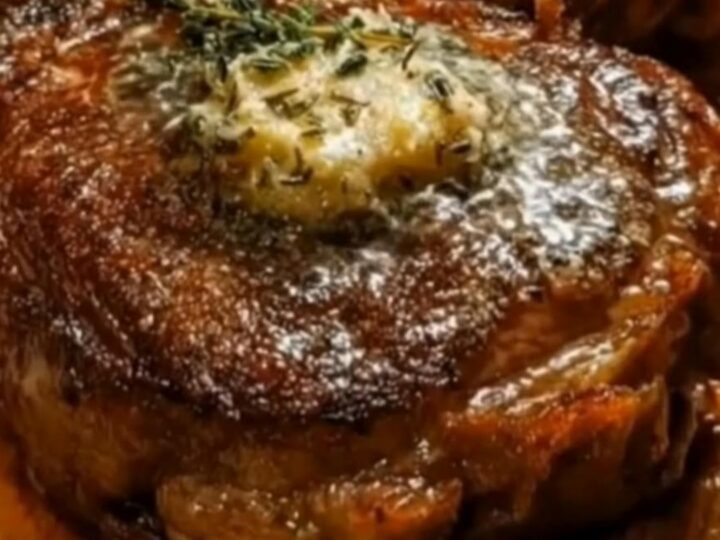
- Prep
- Cook
- Total
- Serves
- 2
Achieve a restaurant-quality sear on a thick ribeye steak right in the comfort of a home kitchen. This recipe delivers a deeply caramelized, sizzling crust paired with a rich garlic and fresh thyme-infused butter sauce. Perfect for special occasions or a luxurious weeknight dinner, this classic cast-iron method guarantees a tender, juicy steak that rivals any high-end steakhouse preparation.
Mastering the art of cooking a perfect steak does not require professional culinary training. With a heavy cast-iron skillet, high heat, and continuous butter basting, anyone can produce a flawlessly cooked ribeye.
This recipe focuses on the classic French technique of "arroser," which involves spooning hot, foaming herb butter over the meat during the final minutes of cooking. This process not only cooks the steak more evenly but also infuses every fiber with the rich, aromatic flavors of garlic and thyme.
Ingredients
- 2 thick-cut ribeye steaks (about 1.5 lb total)
- 4 tbsp unsalted butter
- 4 cloves garlic, smashed
- 4 sprigs fresh thyme
Why this recipe works
The cast-iron skillet is the ultimate tool for steak cookery because of its incredible heat retention. When a cold steak hits a thin pan, the pan's temperature drops rapidly, resulting in steaming rather than searing.
A heavy cast-iron skillet maintains its intense heat, instantly triggering the Maillard reaction. This chemical reaction between amino acids and reducing sugars creates that beautiful, deeply caramelized brown crust that locks in juices and provides an intensely savory flavor profile.
Butter basting, or spooning melted butter over the steak, serves a dual purpose in this cooking method. First, the hot fat distributes heat evenly across the uneven surface of the steak, ensuring the top cooks almost as quickly as the bottom.
Second, as the butter melts and foams, it toasts the milk solids, creating a nutty brown butter base. This liquid fat absorbs the essential oils from the fresh thyme and garlic, bathing the steak in a continuous stream of rich flavor.
Notes and substitutions
Selecting the right cut of meat is crucial for this recipe. Look for ribeye steaks that are at least one and a half inches thick with abundant marbling. Marbling refers to the white flecks of intramuscular fat distributed throughout the meat. As the steak cooks, this fat melts, keeping the meat incredibly tender, juicy, and flavorful. Steaks that are too thin will overcook in the center before a proper crust can form on the exterior.
For the butter, unsalted butter is highly recommended because it allows for complete control over the pan drippings. Salted butter can easily burn and make the pan drippings overly salty.
Fresh herbs are non-negotiable; dried thyme will simply burn in the hot skillet and will not release the same vibrant, aromatic oils as fresh sprigs. Ensure the garlic cloves are merely smashed rather than minced, as minced garlic will quickly burn and turn bitter in the high heat of the pan.
- ribeye steaks: New York strip steaks or T-bone steaks work beautifully with this exact same cooking method.
- fresh thyme: Fresh rosemary sprigs can be used instead of or in addition to the thyme for a different herbal profile.
Equipment
- cast-iron skillet
- digital meat thermometer
- large spoon
- wooden cutting board
Up next · Part 2 of 3
4 steps · 12 min of cooking · what to look for at each stage
Step-by-step instructions (Part 2)