Dinner · Part 2 of 3: Instructions
Four Cheese Macaroni with Crispy Panko Cauliflower Skillet Step-by-step instructions
- Prep
- Cook
- Total
- Serves
- 4
Before you start
Gather everything before you turn on the stove, because the sauce moves quickly once the flour goes into the butter. Set the oven rack in the center and heat the oven to 400°F (200°C). Break the cauliflower into florets and pat them dry with a towel. Peel and mince the garlic, slice the chives thinly and set them aside.
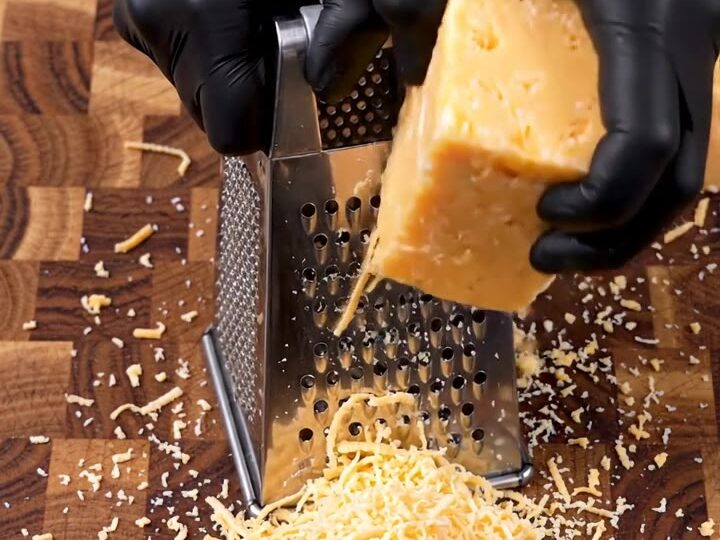
Grate the block cheese on the large holes of a box grater, then combine it with the shredded cheddar and cheese blend in a bowl. Warm the milk in a small saucepan until it is steaming but not boiling, so it blends smoothly into the roux. Measure the panko and the sesame seeds into small dishes, and have a spoon and a fork ready for serving.
Ingredients at a glance (14)
- 1 head cauliflower, broken into florets
- 8 oz dried short spiral pasta, such as cavatappi or fusilli
- 3 cloves garlic, peeled and minced
- 3 tbsp unsalted butter
- 3 tbsp all-purpose flour
- 2 cups whole milk, warmed
- 1 cup shredded sharp cheddar cheese
- 1 cup shredded cheese blend, such as Monterey Jack and mozzarella
- 2 oz block of cheese, such as Gruyere or Parmesan, for grating
- 1 tsp kosher salt, plus more to taste
- 2 tbsp olive oil
- 1/2 cup panko breadcrumbs
- 2 tbsp fresh chives, thinly sliced
- 1 tsp toasted sesame seeds
Instructions
Pasta, cauliflower and sauce
- Prep the cauliflower and cheeseBreak the cauliflower into bite-size florets. Peel and mince the garlic, and thinly slice the chives. Grate the block cheese on a box grater, then mix it with the shredded cheddar and cheese blend in a bowl.Look for Florets are even, cheese is fluffy and loose, chives are thin green rings.Tip Dry the florets well so they brown instead of steaming in the pan.
- Cook the pasta and cauliflowerBring a large pot of salted water to a boil. Cook the spiral pasta until just al dente, about 2 minutes less than the package time, then drain. In a skillet, heat the olive oil and saute the cauliflower with a pinch of salt until golden at the edges and just tender.Look for Pasta is firm to the bite and cauliflower has browned spots on its edges.Tip Reserve a half cup of pasta water in case the sauce needs loosening.
The pasta is drained and just al dente, the cauliflower is golden at the edges and tender when pierced, and the cheese sauce is smooth and thick enough to coat a spoon. Check the sauce for any lumps before moving on. If it looks thin, simmer it for another minute while stirring.
If it tastes flat, add a pinch of salt and a little more cheese. Keep the pasta covered so it stays warm. When these three parts are ready, you can combine them in the skillet without delay, because the sauce starts to thicken as it cools and the pasta absorbs liquid over time, so a few minutes of waiting can change the texture noticeably.
Combine and top the skillet
- Make the cheese sauceMelt the butter in a saucepan over medium heat. Add the garlic and cook for 30 seconds, then whisk in the flour and cook for 1 minute. Slowly whisk in the warm milk and simmer, stirring, until thickened. Remove from the heat and stir in the cheeses until melted and glossy.Look for Sauce coats the back of a spoon and the cheese melts into a smooth, glossy sauce.Tip Take the pan off the heat before adding cheese so the sauce does not turn grainy.
- Toss everything in the skilletAdd the drained pasta and cauliflower to the cheese sauce, then transfer everything to the black cast iron skillet. Fold and mix with a spoon until the pasta and cauliflower are fully coated. Stir in a handful of the shredded cheese to finish.Look for Every piece of pasta and floret is coated in a glossy cheese layer.Tip Spread the mixture evenly in the skillet so the crust forms across the whole surface.
Pasta and cauliflower are fully coated in glossy sauce, and the mixture covers the skillet in an even layer without pooling in one spot. Stir in the reserved cheese until it is melted and spreadable. Smooth the surface lightly with the spoon so the panko lands on a flat top. Scatter the crumbs across the whole surface, leaving no bare patch. A few drizzles of olive oil over the crumbs help them brown evenly in the oven. The skillet should look creamy and moist, with cheese clinging to the florets, before it goes into the oven.
Bake until golden and bubbly
- Add the panko and bakeScatter the panko over the top of the skillet, drizzling a little olive oil over the crumbs if you like. Bake in the oven at 400°F (200°C) until the top is golden and the cheese bubbles at the edges, about 15 minutes.Look for Top is golden brown and cheese bubbles around the edges of the skillet.Tip Set the skillet on a rack in the center of the oven for even browning.
- Rest and garnishLet the skillet rest for 5 minutes so the sauce thickens slightly. Top with sliced chives and toasted sesame seeds, then serve hot straight from the skillet with a spoon and fork.Look for Cheese strands pull away when lifted and the crust stays crisp.Tip Serve from the skillet on a trivet to keep the dish hot at the table.
The panko is deep golden, the cheese bubbles around the rim, and the crumbs look dry and crisp rather than pale. Lift a small corner with a spoon to check that the cheese below is hot and gooey throughout. If the top is browning too fast, move the skillet to a lower rack for the last few minutes. When the bake is complete, remove the skillet and let it sit for 5 minutes so the sauce settles. The smell should be toasty and cheesy, and the crust should crackle lightly as you press it.
Common mistakes
The most common mistake is adding cheese to a sauce that is still boiling. High heat makes the cheese separate, leaving a grainy or greasy texture instead of a smooth, glossy coating. Remove the pan from the heat before stirring in the cheese, and add it in handfuls so each addition melts fully. Another frequent problem is overcooking the pasta before it goes into the skillet.
Pasta that is too soft turns mushy during the bake and absorbs too much sauce, so pull it from the water when it is still firm. Crowding the cauliflower in the pan causes it to steam rather than brown, which gives a pale, watery result. Work in batches if needed. Finally, do not skip drying the florets, because surface water dilutes the sauce and softens the crust.
How to tell it’s done
The skillet is ready when the panko is deep golden across the surface, the edges of the cheese bubble steadily, and a spoon pushed into the center meets hot, creamy pasta. The crumbs should look crisp and feel dry when touched lightly. Lift a corner of the crust and check that the cheese beneath is melted and stringy.
The cauliflower should be tender enough to cut with the edge of a fork. This dish contains no raw protein, so there is no meat or egg temperature to reach. Let it rest for 5 minutes before serving so the sauce firms slightly and holds together on the spoon.
Up next · Part 3 of 3
4 variations · storage & make-ahead · 5 answers · printable card
Tips, FAQ & printable recipe (Part 3)← Back to the ingredients (Part 1)