Dinner · Part 1 of 3: Ingredients
Fork-Tender Braised Lamb Shanks with Shallots
- Prep
- Cook
- Total
- Serves
- 4
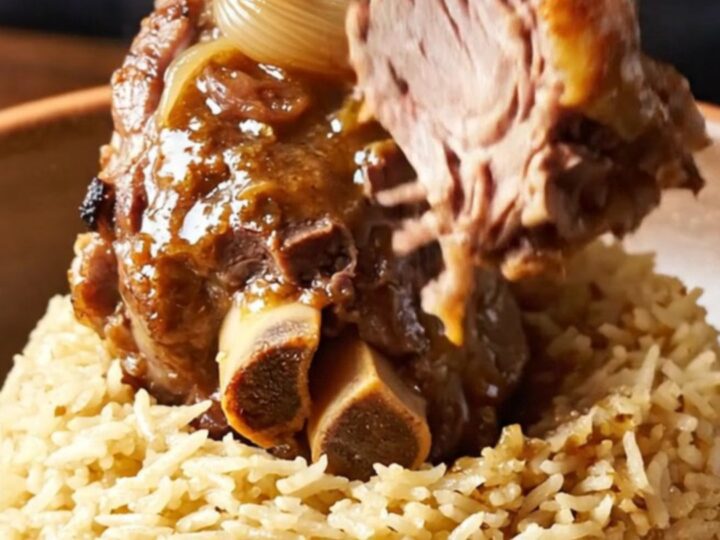
This is the kind of dinner that makes you slow down and savor every bite. Lamb shanks are seared until they develop a deep, caramelized crust, then braised low and slow in a rich sauce of sweet shallots, garlic, and Turkish pepper paste.
The result is meat so tender it practically melts off the bone, surrounded by a glossy, flavorful gravy that begs to be spooned over rice or crusty bread. It's a dish that feels special enough for a holiday table yet simple enough for a weekend cooking project.
Braised lamb shanks are a classic comfort food, but this Turkish-inspired version takes them to another level. The combination of sweet whole shallots, mellow garlic, and the subtle heat of sweet pepper paste creates a sauce that is both deeply savory and subtly sweet.
The long, slow braise in the oven transforms tough lamb shanks into fork-tender pieces of meat that fall apart at the slightest touch. The sauce reduces to a glossy, concentrated glaze that coats each strand of meat. Serve this over buttery Turkish rice pilaf for a complete and satisfying meal that will impress anyone at the table.
Ingredients
- 2 large lamb shanks
- 2 tbsp olive oil
- 1 tbsp butter
- 10 whole pearl onions or shallots, peeled
- 6 cloves garlic
- 1 tbsp tomato paste
- 1 tbsp sweet pepper paste
- 400 ml lamb or beef broth
- 1 carrot, sliced
- 1 sprig fresh rosemary
- 1 bay leaf
- 1 tsp salt
- 1/2 tsp black pepper
Why this recipe works
The magic of this recipe lies in the searing and the slow braise. Searing the lamb shanks in olive oil and butter creates a deep, caramelized crust through the Maillard reaction, which adds layers of savory flavor to the final dish. This crust not only enhances the taste but also helps the meat stay moist during the long cooking process. The fond left in the pot after searing is a treasure trove of flavor, which is then deglazed with broth to create a rich, complex sauce base.
The low-and-slow braise at 320°F (160°C) is essential for breaking down the tough connective tissue in lamb shanks. Over two and a half hours, the collagen melts into gelatin, giving the meat its signature fork-tender texture and enriching the sauce with body and mouthfeel.
The gentle heat of the oven ensures even cooking without drying out the meat, while the covered pot traps steam and keeps everything moist. The result is a dish that is both comforting and elegant, with a sauce that tastes like it simmered all day.
Notes and substitutions
Lamb shanks are the star here; look for ones that are meaty and have a good amount of marbling. If lamb shanks are unavailable, beef shanks or osso buco are excellent substitutes, though they may need a slightly longer cooking time.
Sweet pepper paste, also known as biber salçası, is a staple in Turkish cooking. It adds a mild, sweet pepper flavor that is distinct from tomato paste. If you cannot find it, you can substitute with tomato paste plus a pinch of smoked paprika for a similar depth.
Pearl onions or shallots are ideal because they hold their shape during the long braise, becoming sweet and tender. If you only have regular onions, cut them into large chunks. Use a heavy Dutch oven with a tight-fitting lid to ensure even heat distribution and to prevent moisture from escaping. The recipe calls for 400ml of broth; if you prefer a thinner sauce, you can add a bit more. Always taste the sauce before serving and adjust the seasoning with salt and pepper as needed.
- lamb shanks: Beef shanks or osso buco work well; adjust braising time as needed.
- sweet pepper paste: Use 1 tablespoon tomato paste plus 1/2 teaspoon smoked paprika for a similar depth.
- pearl onions: Use 2 regular shallots, peeled and quartered.
- lamb or beef broth: Chicken broth can be used, though the flavor will be lighter.
Equipment
- Dutch oven or heavy pot with lid
- Tongs
- Measuring spoons
- Chef's knife
- Cutting board
Up next · Part 2 of 3
5 steps · 2 h 40 min of cooking · what to look for at each stage
Step-by-step instructions (Part 2)