Dinner · Part 1 of 3: Ingredients
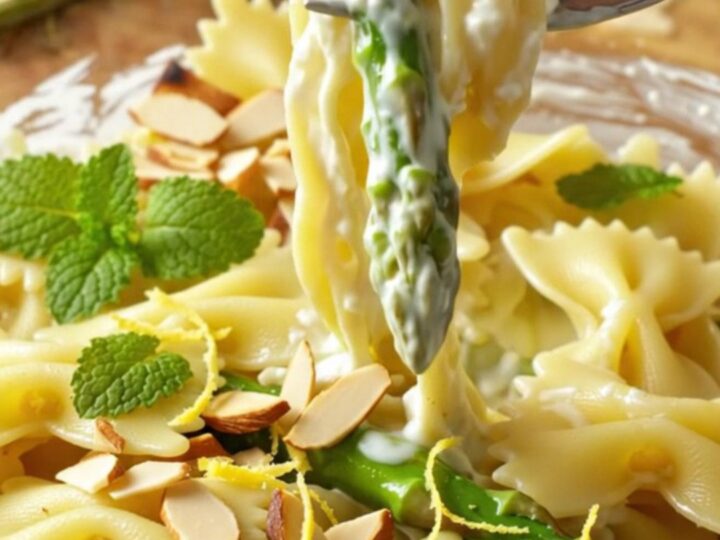
Fifteen-Minute Lemon Ricotta Farfalle with Charred Asparagus
- Prep
- Cook
- Total
- Serves
- 4
Discover the secret to a restaurant-quality dinner that takes only fifteen minutes to prepare in your own kitchen. This lemon ricotta farfalle combines bright citrus notes with the deep, earthy sweetness of charred asparagus, creating a sophisticated yet incredibly simple dish.
Perfect for busy weeknights when you crave something fresh, elegant, and deeply satisfying without spending hours over the stove. It is a masterclass in balancing textures and flavors with minimal effort and maximum impact.
This recipe highlights the beauty of simple, high-quality ingredients coming together to create something truly special. By whipping the ricotta with lemon and Parmesan, you create a luxurious sauce that clings perfectly to the farfalle.
The addition of charred asparagus adds a necessary crunch and a subtle smokiness that elevates the dish beyond a basic pasta dinner. It is a bright, sunny plate of food that feels like a celebration of spring, regardless of the season, and is sure to become a staple in your rotation.
Ingredients
Creamy Sauce
- 250 grams whole-milk ricotta
- 2 lemons, zested and juiced
- 60 grams grated Parmesan cheese
- 45 milliliters olive oil
Vegetables
- 300 grams fresh asparagus spears
Pasta
- 350 grams farfalle pasta
- 90 milliliters starchy pasta water
Garnish
- 1/4 cup sliced almonds, toasted
- fresh mint leaves for serving
Why this recipe works
The method of whisking the ricotta with lemon juice, zest, and olive oil creates an emulsion that is far lighter than traditional heavy cream sauces. This technique relies on the fat in the ricotta and the acidity of the lemon to create a stable, velvety coating that clings to the pasta shapes. The reserved starchy pasta water acts as the final binding agent, ensuring the sauce is perfectly glossy and smooth without the need for additional dairy or heavy thickeners.
Charring the asparagus in a hot skillet serves two purposes: it cooks the vegetables to a perfect tender-crisp texture while introducing a Maillard reaction that adds depth and smokiness.
This contrast between the fresh, bright sauce and the deep, savory notes of the charred asparagus creates a balanced flavor profile. The farfalle pasta, with its unique shape and ridges, provides the ideal surface area to catch the creamy sauce, ensuring every bite is flavorful and satisfying.
Notes and substitutions
For the best results, use a high-quality, full-fat ricotta cheese. The texture of the final sauce depends heavily on the quality of the ricotta, as lower-fat versions may result in a grainier consistency.
If the ricotta seems overly wet, you can drain it in a fine-mesh sieve for a few minutes before whisking to remove excess liquid. Freshly grated Parmesan cheese is also essential, as pre-grated varieties often contain anti-caking agents that can interfere with the smoothness of the emulsion.
Regarding equipment, a microplane zester is the preferred tool for obtaining fine, flavorful lemon zest without including the bitter white pith. A heavy-bottomed skillet is recommended for charring the asparagus, as it retains heat better and provides a more even sear. If you do not have farfalle, feel free to use other sturdy shapes like orecchiette or fusilli, which are also excellent at capturing and holding onto the creamy ricotta sauce.
- whole-milk ricotta: a blend of mascarpone and Greek yogurt provides a similar creamy texture with a slightly different tang.
- farfalle: fusilli or penne are excellent alternatives that hold the creamy lemon sauce just as effectively.
Equipment
- large mixing bowl
- whisk
- large pot for boiling water
- skillet for charring asparagus
- colander
- microplane zester
- tongs
Up next · Part 2 of 3
3 steps · 10 min of cooking · what to look for at each stage
Step-by-step instructions (Part 2)