Desserts · Part 2 of 3: Instructions
Elegant Earl Grey and Lavender Crème Brûlée Step-by-step instructions
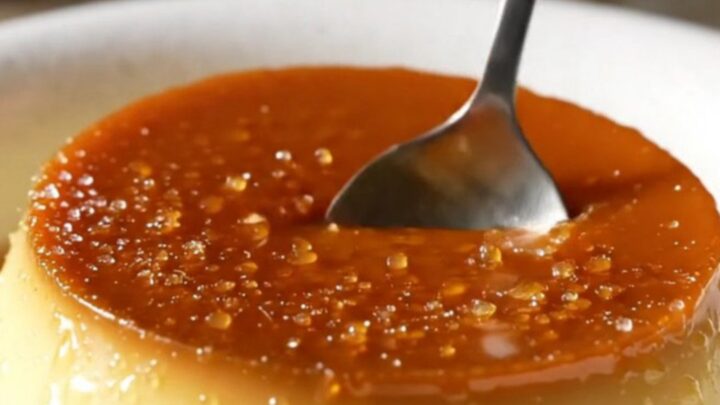
- Prep
- Cook
- Total
- Serves
- 4
Before you start
Before beginning, ensure that all your ingredients are measured and ready on your workstation. It is crucial to have your ramekins cleaned and arranged in a deep-sided baking pan, as this will act as your water bath.
Preheat your oven to 320°F (160°C) and prepare a kettle of hot water for the bath. Having your whisk, a clean mixing bowl, and your kitchen torch within reach will help the process flow smoothly, allowing you to focus on the delicate infusion and tempering stages.
Ingredients at a glance (6)
- 2 cups heavy cream
- 3 Earl Grey tea bags
- 1 tsp culinary lavender buds
- 5 large egg yolks
- 90 g caster sugar
- 4 tbsp caster sugar, for caramelizing
Instructions
Infusion and Preparation
- Steeping the creamPlace the heavy cream in a small saucepan over medium-low heat. Once the cream is hot, add the Earl Grey tea bags and culinary lavender buds. Remove from heat and allow the mixture to steep for 15 minutes to fully infuse the flavors before removing the tea bags.Look for The cream should be hot but not boiling, and the aroma of bergamot and lavender should be fragrant.Tip Do not let the cream boil, as it can change the texture of the final custard.
The infused cream should be fragrant, smelling predominantly of bergamot and floral lavender. Ensure the tea bags are removed without squeezing them, as this can introduce bitter tannins into the mixture. The cream should be warm enough to dissolve the sugar but not boiling, ensuring the base is ready for the tempering process.
Emulsification and Tempering
- Mixing the baseIn a mixing bowl, whisk together the egg yolks and caster sugar until the mixture is pale and slightly thickened. Slowly pour the warm, infused cream into the egg mixture while whisking constantly to temper the yolks and prevent scrambling.Look for The mixture should be smooth and well-combined with no visible streaks of sugar or yolk.Tip Pour the cream in a slow, steady stream to ensure the eggs remain smooth.
The mixture of yolks and sugar should be pale, smooth, and slightly thickened before you begin adding the warm cream. As you whisk, the texture should remain consistent and silky. If you notice any small lumps, you can strain the mixture through a fine-mesh sieve before pouring it into the ramekins for a perfectly smooth finish.
Baking and Caramelization
- Baking and finishingDivide the mixture into ramekins and place them in a baking dish filled with hot water. Bake at 320°F (160°C) for 35 minutes. Chill for at least 4 hours. Before serving, sprinkle with caster sugar and use a kitchen torch to melt the sugar until it bubbles into a crisp amber crust. The eggs must reach 160°F (71°C) to be fully cooked.Look for The custard should be set around the edges but still have a slight wobble in the center.Safe temperature 160°F (71°C) internal temperature (egg dishes)Tip Ensure the water bath reaches halfway up the sides of the ramekins for even heat distribution.
After baking, the custards should be cooled completely and chilled in the refrigerator for at least four hours. The final check is the sugar crust; it should be thin, brittle, and amber-colored.
When tapped with a spoon, it should create a clear, satisfying crack that reveals the chilled, fragrant custard hidden beneath the surface.
Common mistakes
A common mistake is rushing the steeping process or allowing the cream to reach a boil, which can result in an over-extracted tea flavor. Another error is failing to temper the egg yolks properly; always add the warm cream to the yolks in a slow, steady stream while whisking vigorously to avoid scrambling the eggs.
Finally, avoid using too much sugar for the topping, as a layer that is too thick will be difficult to caramelize evenly and may result in an unpleasantly hard, chewy texture.
How to tell it’s done
The crème brûlée is finished when the custard is set around the edges but retains a slight, gentle wobble in the center when the ramekin is nudged. The internal temperature of the custard should reach 160°F (71°C) to ensure the eggs are fully cooked and the structure is stable.
Do not overbake, as this can lead to a grainy texture rather than the desired smooth, creamy consistency that characterizes this classic French dessert.
- Egg dishes: 160°F (71°C) in the thickest part
Up next · Part 3 of 3
2 variations · storage & make-ahead · 3 answers · printable card
Tips, FAQ & printable recipe (Part 3)← Back to the ingredients (Part 1)