Dinner · Part 3 of 3: Tips & recipe card
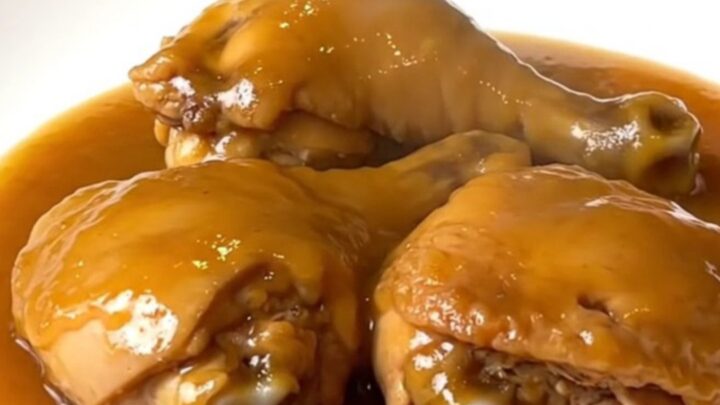
Easy Slow Cooker Duck Sauce Chicken Thighs Tips, FAQ & printable recipe
- Prep
- Cook
- Total
- Serves
- 6
Tips for success
For a deeper flavor, you can marinate the chicken in a portion of the duck sauce for up to two hours in the refrigerator before placing it into the slow cooker.
This helps the flavors penetrate the meat more deeply, though it is not strictly necessary for a delicious result. Always discard any marinade that has been in contact with raw chicken unless it is boiled thoroughly.
If you prefer a caramelized finish, you can transfer the cooked chicken thighs to a baking sheet after they have finished in the slow cooker and place them under a broiler for two to three minutes.
Watch them closely so the sugars in the duck sauce do not burn. This step adds a nice texture and a slightly smoky flavor to the final dish.
Variations
- Spicy Duck Sauce Chicken: Stir one teaspoon of red pepper flakes or a tablespoon of chili garlic sauce into the duck sauce before pouring it over the chicken to add a pleasant heat.
- Pineapple Duck Sauce Chicken: Add a half cup of drained, crushed pineapple to the slow cooker along with the sauce for an extra burst of tropical sweetness and texture.
Storage and make-ahead
- Fridge
- Store in an airtight container for up to 3 days.
- Freezer
- Store in a freezer-safe container for up to 2 months.
- Reheat
- Reheat in a saucepan over medium heat until steaming or in the microwave at medium power until warmed through.
Store any leftovers in an airtight container in the refrigerator for up to three days. Ensure the chicken is cooled to room temperature within two hours of cooking before placing it in the fridge to maintain safety. When reheating, ensure the chicken reaches a piping hot temperature throughout to ensure quality and safety.
This dish is excellent for make-ahead meals. You can prepare the ingredients in the slow cooker insert, cover it, and keep it in the refrigerator for up to 24 hours before turning the machine on. This makes it a great option for setting up in the morning so the meal is ready exactly when you return home for dinner.
Serving ideas
Serve these chicken thighs over a bed of steamed white rice or quinoa to soak up the excess sauce. A side of stir-fried bok choy or steamed broccoli provides a nice color contrast and freshness that balances the sweetness of the duck sauce.
Ensure you spoon plenty of the extra sauce from the slow cooker over the chicken and the grain base.
For a more complete meal, you can serve the chicken alongside a crunchy cabbage salad or a simple cucumber salad with a light vinegar dressing.
The acidity of the salad helps cleanse the palate between bites of the sweet and savory chicken. Garnish the plate with a sprinkle of sliced green onions or toasted sesame seeds if you want to add extra texture and visual appeal.
Frequently asked questions
Can this recipe be made with frozen chicken thighs?
Why does the sauce seem thin after cooking?
Is it necessary to brown the chicken before slow cooking?
Easy Slow Cooker Duck Sauce Chicken Thighs
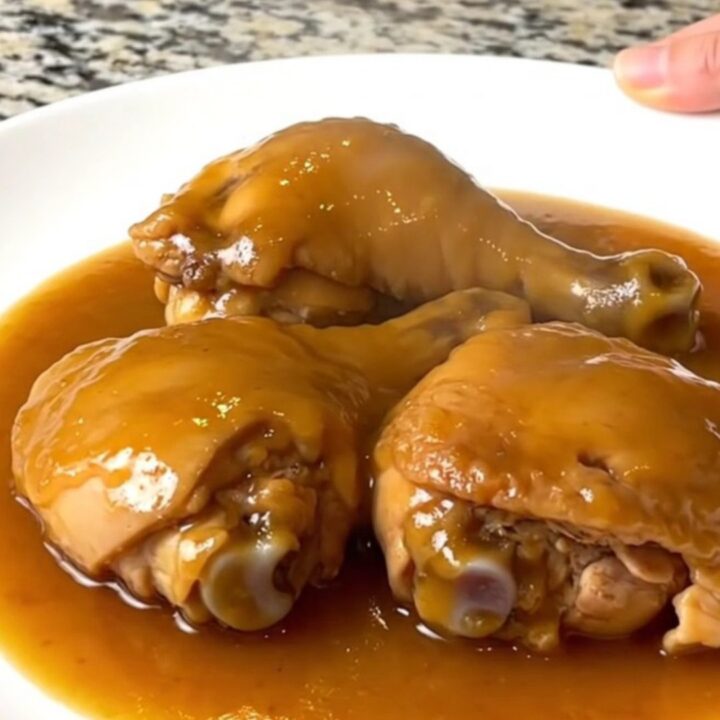
Ingredients
- 6 boneless skinless chicken thighs
- 1 tbsp minced garlic
- 1 tsp grated ginger
- 1 cup duck sauce
Instructions
- Place the raw boneless skinless chicken thighs into the basin of the slow cooker, arranging them in an even layer so they cook uniformly.
- Evenly distribute the minced garlic and grated ginger over the top of the chicken pieces. Pour the duck sauce over the entire mixture, ensuring the chicken is well-coated.
- Cover and cook on low for 4 hours until the chicken reaches an internal temperature of 165°F (74°C). Allow the chicken to rest for 5 minutes before serving on a plate with the remaining sauce.
Estimated nutrition per serving
- Calories
- 320
- Protein
- 22 g
- Carbohydrates
- 35 g
- Fat
- 10 g
- Fiber
- 0.5 g
- Sugar
- 30 g
- Sodium
- 450 mg
Next recipe

Easy Turkey Reuben Slider Bake for a Quick Crowd-Pleasing Meal
See the recipe → →This recipe is based on a short cooking video and is published under the pen name Clara Weller. It was checked before publication, but errors can slip through. Nutrition, when shown, is an estimate. Read more in our editorial policy and on our food safety page.
More recipes to try
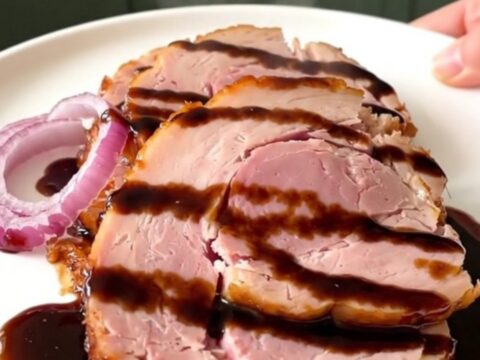
Slow Cooker Balsamic Brown Sugar Ham
Total time: 4 h 20 min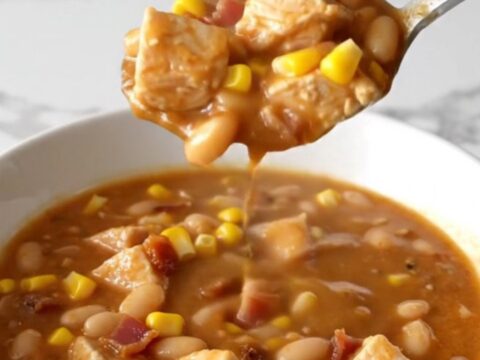
Creamy Crockpot Crack Chicken Chili
Total time: 4 h 15 min
Easy Pepperoni Pizza Stuffed Pepper Casserole
Total time: 55 min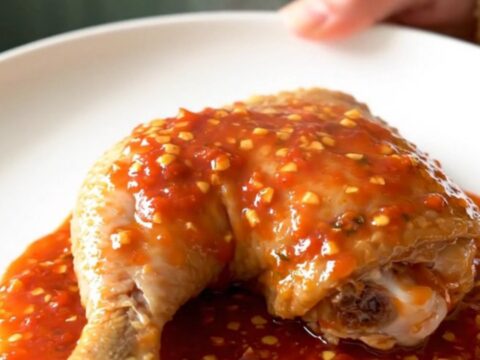
Slow Cooker Sweet Heat Chili Garlic Chicken
Total time: 4 h 10 min
Creamy Green Chile Turkey Hash Brown Casserole
Total time: 1 h