Dinner · Part 2 of 3: Instructions
Easy Slow Cooker Cioppino Seafood Stew Step-by-step instructions
- Prep
- Cook
- Total
- Serves
- 6
Before you start
Start by preparing all your ingredients. Dice the onion and mince the garlic cloves finely to ensure they meld into the broth. Slice the fennel bulb thinly, removing any tough stalks.
Ensure your seafood is properly cleaned; peel and devein the shrimp, and scrub the littleneck clams under cold water to remove any grit.
Have your wine, seafood stock, and tomatoes measured and ready to go. Keeping your workspace clean while handling raw seafood is essential, so have paper towels nearby for quick cleanups.
Ingredients at a glance (13)
- 28 oz crushed San Marzano tomatoes
- 1 bulb fennel bulb, sliced
- 1 onion, diced
- 6 cloves garlic, minced
- 1 cup dry white wine
- 1 pinch saffron threads
- 3 cups seafood stock
- 1 lb cod, cut into chunks
- 1 lb jumbo shrimp, peeled and deveined
- 1 dozen littleneck clams
- 1 lb Dungeness crab clusters
- fresh flat-leaf parsley, for serving
- charred buttered sourdough toast, for serving
Instructions
Base Preparation
- Prepare the aromatic tomato baseIn the slow cooker, combine the crushed San Marzano tomatoes, sliced fennel bulb, diced onion, minced garlic cloves, dry white wine, a pinch of saffron threads, and the seafood stock. Stir everything together until well combined. Cover the slow cooker with the lid to begin the flavor development process.Look for The mixture should be well combined and fragrant before starting the cook cycle.Tip Ensure the garlic is finely minced to distribute the flavor evenly throughout the rich broth.
The tomato base should look uniform and smell deeply of garlic and fennel. The ingredients are raw, but they are layered to ensure the flavors begin to meld as the slow cooker heats up. Verify that the lid is tightly sealed to maintain the necessary moisture levels for the slow-cooking process.
Slow Simmer
- Slow cook the baseSet the slow cooker to the LOW setting and allow the tomato and fennel base to simmer for four hours. This slow process allows the fennel to soften and the flavors of the wine, saffron, and garlic to infuse deeply into the tomato broth, creating a robust foundation for the seafood.Look for The base will thicken slightly and become deeply aromatic after four hours of slow simmering.Tip Keep the lid closed throughout the cooking time to ensure the temperature remains consistent.
After four hours, the liquid should have reduced slightly and transformed into a rich, fragrant, and deep-red sauce. The fennel should be tender to the touch, and the aroma should be noticeably savory and complex. This is the perfect time to prepare your seafood components if you have not already done so.
Seafood Poach
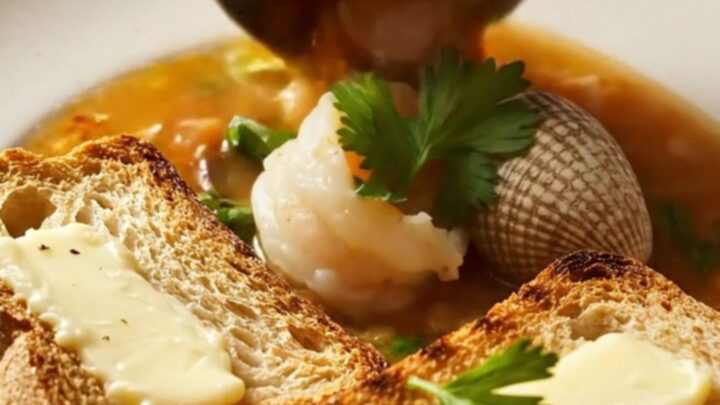
- Poach the seafoodNestle the cod chunks, jumbo shrimp, littleneck clams, and Dungeness crab clusters into the hot tomato base. Cover and cook for an additional 25 minutes. Ensure the fish reaches an internal temperature of 145°F (63°C) and the shellfish are fully opaque and cooked through. Serve immediately with charred buttered sourdough toast and a garnish of fresh flat-leaf parsley.Look for The clams will open and the fish will flake easily when poked with a fork.Safe temperature 145°F (63°C) internal temperature (fish)Tip Do not overcook the seafood, as it will become tough and rubbery if left in the heat for too long.
At the end of the final 25 minutes, the seafood will be tender and the stew will be steaming. The clams should have popped open, and the fish should be firm but flaky. The broth will have taken on the delicate sweetness of the shellfish, creating the final, harmonious balance that makes this dish so iconic.
Common mistakes
A common mistake is adding the seafood too early, which leads to rubbery shrimp and disintegrated fish. Always wait until the final 25 minutes of the cooking process. Another error is failing to clean the clams properly; sandy stew is unpleasant, so scrub them well under cold running water.
Finally, do not rush the initial simmering phase; those four hours are necessary for the fennel and aromatics to break down and create the characteristic depth of flavor that defines a true cioppino.
How to tell it’s done
The cioppino is finished when the seafood is perfectly cooked. The fish should flake easily with a fork and reach an internal temperature of 145°F (63°C). The shrimp should be pink and opaque, and the clam shells should be fully opened; discard any that remain closed.
The broth should be vibrant, aromatic, and slightly thickened. The crab clusters should be heated through, absorbing the flavors of the tomato and saffron base, making them ready to serve immediately alongside your toasted sourdough.
- Fish: 145°F (63°C) in the thickest part
- Shellfish: 145°F (63°C) in the thickest part
Up next · Part 3 of 3
2 variations · storage & make-ahead · 3 answers · printable card
Tips, FAQ & printable recipe (Part 3)← Back to the ingredients (Part 1)