Dinner · Part 1 of 3: Ingredients
Easy Slow Cooker Cioppino Seafood Stew
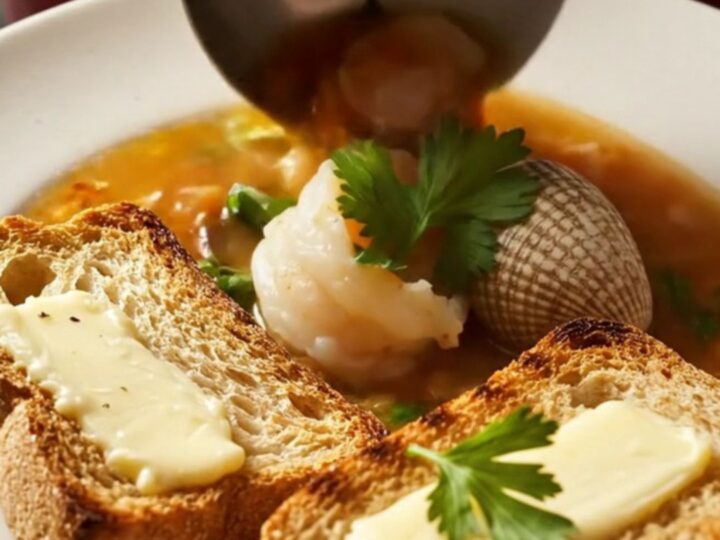
- Prep
- Cook
- Total
- Serves
- 6
Transform your kitchen into a coastal bistro with this incredibly simple, slow-cooked cioppino. This classic seafood stew is famous for its complex, savory tomato broth and abundance of fresh treasures from the sea, all made manageable by the gentle heat of a slow cooker.
Cioppino is a quintessential San Francisco dish that perfectly marries the freshness of the ocean with a deep, wine-infused tomato base. Traditionally requiring constant attention on the stove, this version utilizes the slow cooker to achieve the same depth of flavor with significantly less effort.
By layering aromatics like fennel, garlic, and saffron with high-quality tomatoes and wine, you create a foundation that elevates the delicate seafood added at the end. This recipe is designed to be a stress-free centerpiece for a relaxed dinner, allowing the slow cooker to do the heavy lifting while you prepare the perfect crusty bread to soak up every drop of the flavorful broth.
Ingredients
Base
- 28 oz crushed San Marzano tomatoes
- 1 bulb fennel bulb, sliced
- 1 onion, diced
- 6 cloves garlic, minced
- 1 cup dry white wine
- 1 pinch saffron threads
- 3 cups seafood stock
Seafood
- 1 lb cod, cut into chunks
- 1 lb jumbo shrimp, peeled and deveined
- 1 dozen littleneck clams
- 1 lb Dungeness crab clusters
Garnish
- fresh flat-leaf parsley, for serving
Serving
- charred buttered sourdough toast, for serving
Why this recipe works
The slow cooker method provides a gentle, consistent heat that is ideal for building flavor in a tomato-based stew. By allowing the fennel, garlic, and saffron to simmer for hours, the broth develops a complexity that mimics a long-simmered restaurant sauce without the risk of scorching on a stovetop. This long, slow extraction of aromatics ensures that every spoonful of the stew is infused with the essence of the vegetables and the wine.
Adding the seafood only in the final phase of cooking protects its delicate texture. Because fish, shrimp, and shellfish cook very quickly, adding them at the end prevents them from becoming overcooked or disintegrating into the broth.
This two-stage cooking approach ensures that the base is perfectly developed and intense, while the seafood remains tender, succulent, and perfectly cooked, providing the ideal balance of textures and flavors in every single serving.
Notes and substitutions
For the best results, use high-quality San Marzano tomatoes, as their natural sweetness and low acidity are vital for the integrity of the cioppino base.
If fresh fennel is unavailable, you can increase the amount of onion or add a small amount of fennel seeds to the base, though the fresh bulb provides a unique, subtle crunch and anise flavor that is hard to replicate. Choose a dry white wine like a Pinot Grigio or Sauvignon Blanc to maintain the correct acidity profile.
Regarding equipment, a standard 6-quart slow cooker is ideal for this recipe. Ensure that your seafood is cleaned and prepared before you begin the final cooking stage.
If you are using frozen seafood, thaw it completely in the refrigerator before adding it to the pot to ensure even cooking and to prevent excess moisture from diluting the broth. Always serve this dish in wide, shallow bowls to showcase the beautiful presentation of the crab clusters and the various seafood components.
- Dungeness crab: Snow crab or blue crab clusters can be used if Dungeness is unavailable.
- Littleneck clams: Manila clams or mussels work well as a direct replacement.
- Seafood stock: Fish stock or even a light vegetable broth can be substituted.
- Dry white wine: Use additional seafood stock with a splash of lemon juice as a non-alcoholic option.
Equipment
- Slow cooker
- Chef knife
- Cutting board
- Ladle
- Serving bowls
Up next · Part 2 of 3
3 steps · 4 h 25 min of cooking · what to look for at each stage
Step-by-step instructions (Part 2)