Dinner · Part 1 of 3: Ingredients
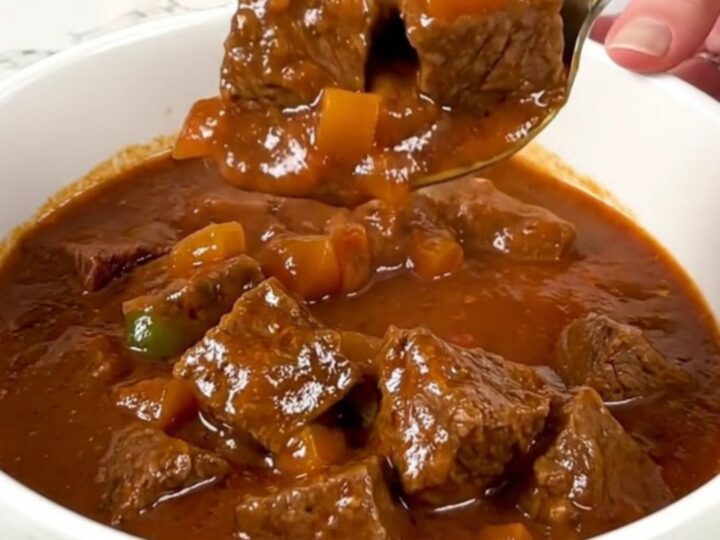
Easy Slow Cooker Carne Guisada
- Prep
- Cook
- Total
- Serves
- 6
Master the art of slow-cooked comfort with this simple carne guisada recipe. By combining high-quality beef chuck with vibrant aromatics and earthy spices, this dish transforms minimal effort into a deeply flavorful, restaurant-quality meal.
It is the ideal solution for those days when you crave a hearty, home-cooked dinner but lack the time to stand over a hot stove for hours. The slow cooker does all the heavy lifting, ensuring every bite is perfectly tender and packed with savory, spiced goodness.
Carne guisada is a classic beef stew that relies on long, slow braising to break down tough connective tissues in the beef, resulting in a melt-in-your-mouth texture. This version keeps things straightforward by using a slow cooker, which maintains a consistent, gentle heat that is perfect for developing complex flavors.
Whether served over fluffy rice, with warm tortillas, or alongside roasted vegetables, this dish provides a satisfying and robust meal that warms you from the inside out. It is a versatile staple for any home cook.
Ingredients
Main Ingredients
- 2 lb beef chuck, cut into bite-size cubes
- 1 cup green bell pepper, diced
- 1 cup yellow onion, diced
Seasonings
- 1 tbsp ground cumin
- 1 tbsp chili powder
Main Ingredients
- 15 oz tomato sauce
Why this recipe works
The slow cooking method is essential for this dish because it allows the beef chuck to braise slowly in the tomato-based liquid. This gentle heat breaks down the collagen in the meat, turning a traditionally tougher cut into tender, succulent pieces.
As the meat cooks, it releases its juices into the sauce, creating a rich, savory gravy that is impossible to replicate with quick-cooking methods. This process infuses the meat with the essence of the cumin and chili powder.
Using a slow cooker ensures a steady temperature that prevents the sauce from scorching and the meat from drying out. Because the lid traps steam, the moisture remains within the pot, keeping the meat moist throughout the entire duration of the cooking time.
The combination of onions and peppers adds a subtle sweetness and texture that balances the bold, smoky profile of the spices. This hands-off technique results in a consistent, reliable meal that is ready whenever you are.
Notes and substitutions
When selecting beef for this recipe, look for chuck roast with good marbling. The fat will render down during the long cooking process, adding richness and flavor to the sauce. Avoid lean cuts, as they tend to become dry and stringy when cooked for extended periods. If you prefer a milder flavor, you can reduce the amount of chili powder, but keep the cumin as it provides the signature earthy aroma that defines traditional carne guisada.
Ensure your slow cooker is not overfilled, as this can affect the cooking time and the consistency of the sauce. If you have a smaller slow cooker, you may need to adjust the quantities accordingly. While the recipe calls for diced green peppers and onions, feel free to use other varieties like red or yellow bell peppers for a slightly sweeter profile. Always use fresh spices if possible, as they will provide a more vibrant and potent flavor to the finished gravy.
- beef chuck: beef round roast or other stew-appropriate beef cuts
- green bell pepper: red bell pepper or poblano pepper for more heat
Equipment
- Slow cooker
- Measuring cups
- Measuring spoons
- Chef's knife
- Cutting board
Up next · Part 2 of 3
3 steps · 8 h of cooking · what to look for at each stage
Step-by-step instructions (Part 2)