Dinner · Part 3 of 3: Tips & recipe card
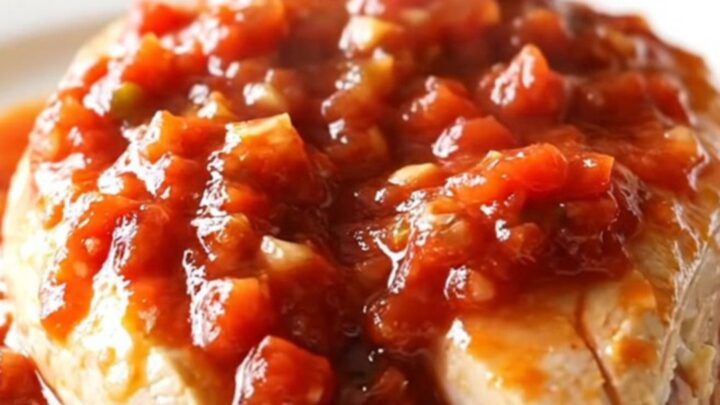
Easy Slow Cooker Brown Sugar Salsa Chicken Tips, FAQ & printable recipe
- Prep
- Cook
- Total
- Serves
- 4
Tips for success
If you find the sauce is too thin after cooking, you can remove the chicken and stir in a small amount of cornstarch slurry (equal parts cornstarch and water) to the liquid.
Set the slow cooker to high and cook for an additional 10 to 15 minutes until the sauce thickens to your preferred consistency before returning the chicken to the pot.
To add a bit of freshness before serving, consider topping the finished dish with chopped fresh cilantro or a squeeze of lime juice. These additions provide a bright, zesty contrast to the rich, slow-cooked sauce and enhance the overall flavor profile of the meal without requiring extra cooking time.
Variations
- Spicy Salsa Chicken: For a bolder kick, substitute the standard salsa with a hot or extra-hot variety. You can also add a pinch of cayenne pepper or crushed red pepper flakes when adding the brown sugar to intensify the heat level.
- Smoky Salsa Chicken: Incorporate a teaspoon of smoked paprika or a dash of liquid smoke when seasoning the chicken. This provides a deep, woody flavor that complements the sweetness of the brown sugar and the tanginess of the tomato salsa perfectly.
Storage and make-ahead
- Fridge
- Keep in an airtight container for up to 3 days.
- Freezer
- Store in a freezer-safe bag or container for up to 2 months.
- Reheat
- Warm gently in a saucepan over low heat or in the microwave until heated through.
Store any leftovers in an airtight container in the refrigerator for up to 3 days. Ensure the chicken and sauce have cooled to room temperature, but do not leave them out for more than 2 hours.
When reheating, add a tablespoon of water or broth to the container to prevent the chicken from drying out during the process.
This recipe is excellent for meal prep. You can assemble the ingredients in the slow cooker insert, cover it, and keep it in the refrigerator for up to 12 hours before cooking.
When ready, simply place the insert into the slow cooker base and start the cooking cycle. Note that you may need to add 30 minutes to the total cooking time if the ingredients are cold.
Serving ideas
Serve this chicken over a bed of fluffy white rice, quinoa, or alongside roasted vegetables to soak up the delicious sauce. It also works beautifully shredded and served in warm flour tortillas for a quick taco night, or atop a crisp green salad for a lighter, refreshing meal option.
Because the sauce is so flavorful, it is highly recommended to serve the chicken with a side of crusty bread or warm pita to ensure none of the sweet and savory salsa mixture goes to waste.
If you prefer a heartier meal, mashed potatoes or buttered noodles also pair exceptionally well with the braised chicken.
Frequently asked questions
Can this recipe be made with frozen chicken breasts?
Why does the chicken seem dry after cooking?
Can chicken thighs be used instead of breasts?
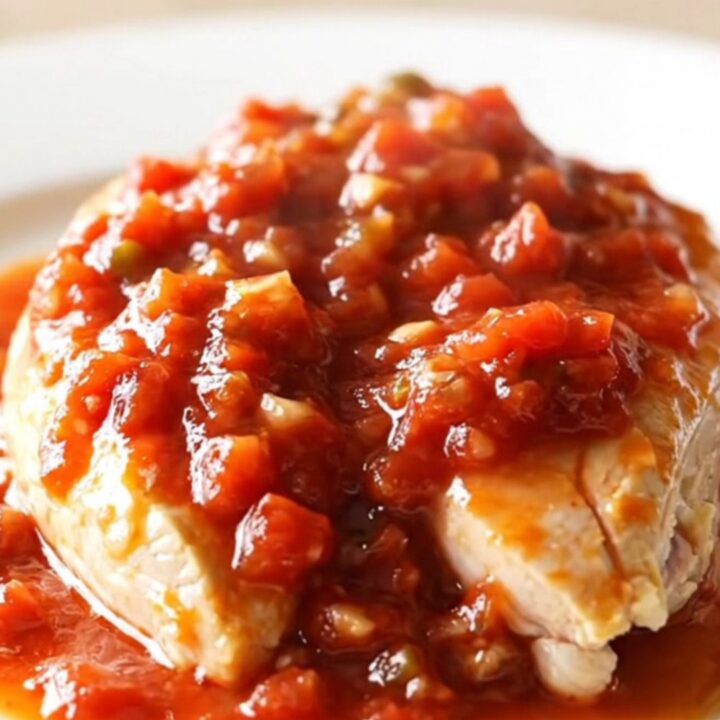
Easy Slow Cooker Brown Sugar Salsa Chicken
Ingredients
- 4 boneless skinless chicken breasts
- 2 tbsp brown sugar
- 1 tbsp mustard
- 1 cup chunky tomato salsa
Instructions
- Place the raw boneless skinless chicken breasts in an even layer at the bottom of the slow cooker stoneware insert.
- Sprinkle the brown sugar evenly over the chicken breasts. Dot the chicken with small amounts of mustard, then spoon the chunky tomato salsa over the top to cover the chicken completely.
- Cover and cook on low for 4 to 6 hours or on high for 2 to 3 hours. Verify the chicken has reached an internal temperature of 165°F (74°C). Let the chicken rest for 5 minutes before serving to ensure it stays succulent and easy to slice.
Estimated nutrition per serving
- Calories
- 280
- Protein
- 38 g
- Carbohydrates
- 18 g
- Fat
- 6 g
- Fiber
- 1 g
- Sugar
- 14 g
- Sodium
- 450 mg
Next recipe
Creamy Cottage Cheese Mac and Cheese Bake
See the recipe → →This recipe is based on a short cooking video and is published under the pen name Clara Weller. It was checked before publication, but errors can slip through. Nutrition, when shown, is an estimate. Read more in our editorial policy and on our food safety page.
More recipes to try
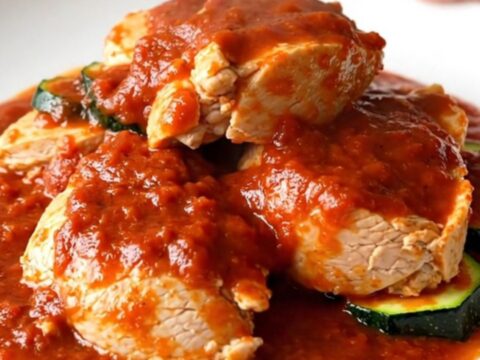
Slow Cooker Italian Chicken and Zucchini
Total time: 4 h 15 min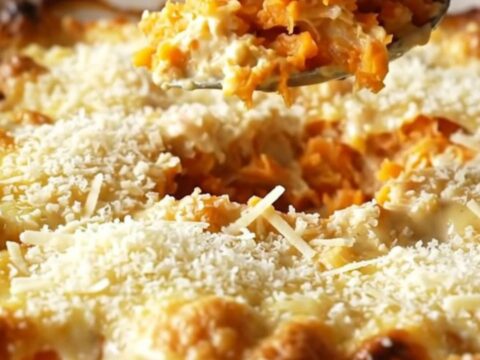
Creamy Parmesan Scalloped Sweet Potatoes
Total time: 1 h 15 min
Creamy Turkey Divan with Buttery Cracker Crumbs
Total time: 45 min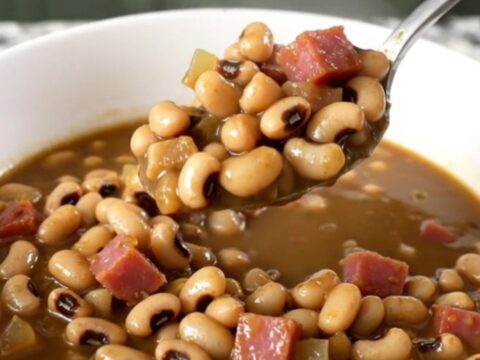
Easy Slow Cooker Black-Eyed Peas with Savory Ham
Total time: 8 h 10 min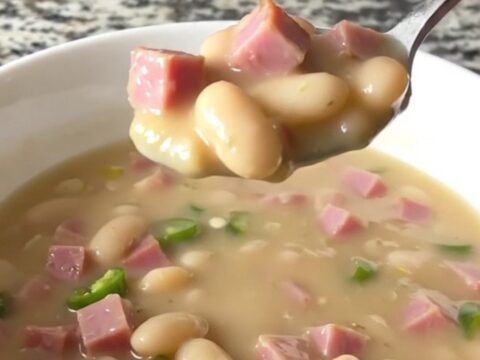
Slow Cooker Ham and White Bean Chili
Total time: 4 h 10 min