Dinner · Part 1 of 3: Ingredients
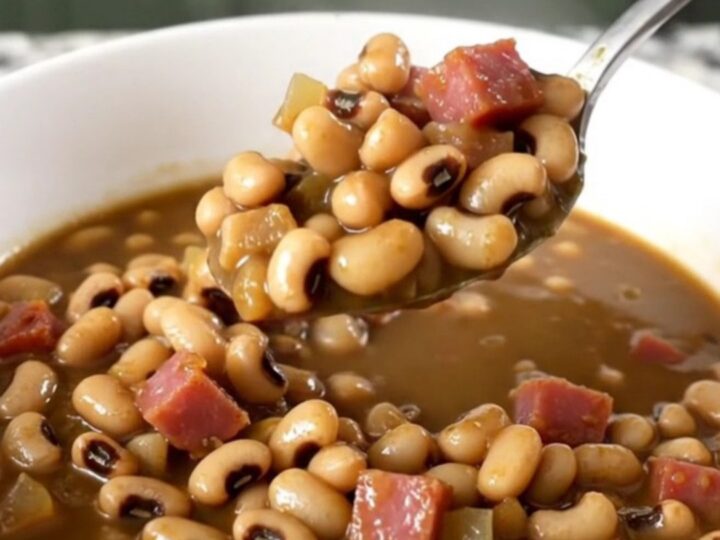
Easy Slow Cooker Black-Eyed Peas with Savory Ham
- Prep
- Cook
- Total
- Serves
- 6
Master the art of hands-off Southern cooking with this simple slow-cooker black-eyed peas and ham recipe. It is the perfect solution for busy days when a hearty, savory meal is needed without spending hours standing at the stove. By using the slow cooker, you allow the flavors of the ham, onions, and Creole seasoning to meld perfectly into the peas, creating a deeply satisfying dish that everyone will enjoy. Follow these simple steps for a guaranteed crowd-pleaser.
This black-eyed peas and ham recipe is a staple of traditional Southern cuisine, celebrated for its humble ingredients and robust, savory profile. The slow-cooking method is essential here, as it gently breaks down the dried peas until they reach a buttery, tender consistency while allowing the saltiness of the ham to infuse the broth.
This dish is versatile enough to be served as a main course or as a hearty side, making it a reliable addition to any recipe collection. With minimal prep time, the slow cooker does the heavy lifting, ensuring a consistent and flavorful outcome every single time you prepare it for a weeknight meal or a weekend gathering.
Ingredients
- 1 lb diced ham
- 1 lb dried black-eyed peas
- 1 cup diced onion
- 2 tsp Creole seasoning
- 4 cups chicken broth
Why this recipe works
The slow cooker method is ideal for legumes like black-eyed peas because the long, low-temperature cooking environment gently softens the peas without causing them to fall apart. This results in a texture that is creamy yet intact, providing the perfect base for the savory ham and aromatic seasonings.
Unlike stovetop cooking, which requires constant monitoring and adjustments to heat, the slow cooker maintains a steady, controlled environment that guarantees even cooking throughout the entire batch.
This recipe works by layering flavors starting with the ham at the base, which releases its savory, smoky essence into the broth as it heats. The onions and Creole seasoning then permeate the peas throughout the long cooking cycle, creating a cohesive and well-balanced flavor profile.
This approach ensures that the seasoning is not just on the surface but deeply integrated into the peas and the surrounding broth, resulting in a depth of flavor that develops naturally over several hours of slow, steady heat.
Notes and substitutions
When choosing your ham, look for diced or cubed ham that is already cooked or smoked for the best flavor infusion. If you have a leftover ham bone with some meat attached, you can substitute it for the diced ham for an even richer broth, though the cook time remains the same. Ensure the onion is diced into uniform pieces so it softens at the same rate as the peas, creating a smooth and pleasant texture in every spoonful of the final dish.
The choice of Creole seasoning is vital as it provides the backbone of the dish's flavor. If you prefer a milder version, start with a smaller amount and adjust to your taste preference during the final stirring stage.
The chicken broth can be substituted with low-sodium versions if you are monitoring salt intake, as the ham itself often provides a significant amount of seasoning to the liquid. Always use a high-quality broth to ensure the final result has a rich and complex flavor base.
- chicken broth: vegetable broth or water with a bouillon base
- Creole seasoning: Cajun seasoning or a blend of paprika, garlic powder, onion powder, and cayenne
Equipment
- Slow cooker
- Chef knife
- Cutting board
- Measuring cups
- Measuring spoons
Up next · Part 2 of 3
3 steps · 8 h of cooking · what to look for at each stage
Step-by-step instructions (Part 2)