Dinner · Part 3 of 3: Tips & recipe card
Easy Cheesy Meat Lasagna with Golden Crust Tips, FAQ & printable recipe
- Prep
- Cook
- Total
- Serves
- 8
Tips for success
For the absolute best results, try assembling your lasagna a day in advance and storing it in the refrigerator overnight before baking. This resting period allows the pasta sheets to absorb the flavors of the rich meat sauce and the creamy cheese, resulting in a much more cohesive and flavorful dish.
When you are ready to bake, simply pull the dish from the refrigerator about 30 minutes before putting it in the oven to take the chill off, then bake as directed, adding about 5 to 10 minutes to the baking time to ensure it heats completely through.
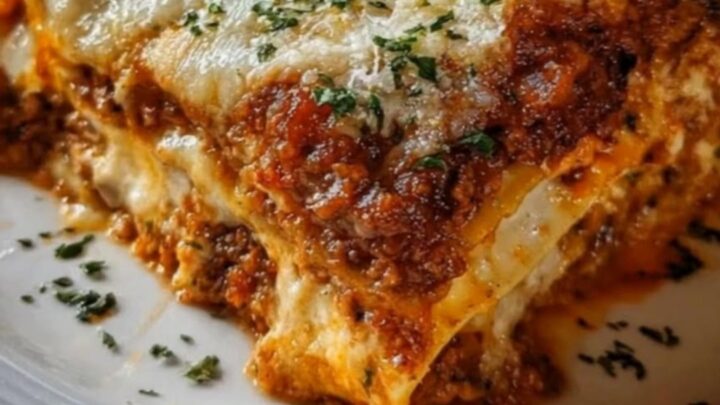
To achieve the ultimate cheese pull shown in the video, avoid using pre-shredded cheese from a bag if possible. Pre-packaged cheeses are coated with potato starch and anti-caking agents that prevent them from sticking together, which also hinders them from melting into that perfectly smooth, stretchy blanket.
Instead, buy a block of low-moisture cheese and shred it yourself at home. The difference in meltability, texture, and flavor is absolutely worth the minimal extra effort, giving you professional-quality results every single time.
Variations
- Spicy Meat Lasagna: Add a pinch of crushed red pepper flakes to the rich meat sauce while simmering to give the lasagna a bold, spicy kick.
- Spinach and Creamy Cheese Lasagna: Fold two cups of chopped fresh baby spinach into the creamy cheese before assembling the layers for an extra pop of color and flavor.
Storage and make-ahead
- Fridge
- Store any leftover lasagna in an airtight container in the refrigerator for up to 4 days, making sure it cools for no more than 2 hours before chilling.
- Freezer
- Freeze individual slices wrapped in plastic wrap and foil in a freezer-safe bag for up to 3 months. Thaw in the fridge before reheating.
- Reheat
- Reheat individual slices in the microwave for 2 minutes, or bake covered with foil at 350°F (175°C) for 20 minutes until hot throughout.
Allow any leftover lasagna to cool completely at room temperature for no more than two hours before storing. Cut the lasagna into individual portions and transfer them to airtight containers, or cover the baking dish tightly with plastic wrap or aluminum foil. Store the leftovers in the refrigerator for up to four days. For longer storage, wrap individual slices tightly in plastic wrap, then in aluminum foil, and place them in a heavy-duty freezer bag.
Lasagna is an outstanding make-ahead meal that freezes beautifully. You can assemble the entire dish, cover it tightly with plastic wrap and then foil, and freeze it unbaked for up to three months. When ready to cook, thaw the lasagna in the refrigerator overnight. Remove the plastic wrap, cover again with foil, and bake at 375°F (190°C) for about 55 minutes, then uncover and bake for another 15 to 20 minutes until bubbling and hot throughout.
Serving ideas
When serving this rich and hearty cheesy meat lasagna, balance is key. Pair each generous slice with a crisp, bright green salad dressed with a tangy vinaigrette to cut through the richness of the cheese and meat sauce.
A classic Caesar salad or a simple Italian garden salad with arugula, cherry tomatoes, and shaved cheese works wonderfully. Additionally, warm garlic bread or crusty Italian bread is perfect for scooping up any delicious sauce left on the plate.
For a complete dinner party menu, you can also serve roasted vegetables alongside the lasagna. Lightly seasoned roasted broccoli, zucchini, or asparagus spears add a nice color and a fresh, earthy contrast to the main dish.
To finish the meal, offer a light dessert like lemon sorbet or fresh berries to cleanse the palate after such a satisfying, comfort-food centerpiece. Always serve the lasagna warm, garnished with a sprinkle of fresh chopped parsley for a pop of color.
Frequently asked questions
Can this lasagna be assembled ahead of time?
How is watery lasagna prevented?
Can no-boil pasta sheets be used instead?
Easy Cheesy Meat Lasagna with Golden Crust
Ingredients
- 4 cups rich meat sauce
- 12 pasta sheets, cooked
- 15 oz creamy cheese
- 3 cups shredded cheese, divided
- 2 tbsp chopped parsley, for garnish
Instructions
- Heat a large skillet over medium heat. Pour in the rich meat sauce and let it simmer gently for about 5 to 8 minutes, stirring occasionally. This heats the sauce through and concentrates its savory flavors, ensuring it is hot and ready for layering.
- Spread 1 cup of the warm meat sauce evenly across the bottom of a 9x13-inch baking dish. Place 4 cooked pasta sheets side-by-side on top of the sauce, overlapping them slightly so they form a stable foundation for the cheese and sauce layers.
- Spread half of the creamy cheese evenly over the pasta sheets. Spoon half of the remaining meat sauce over the creamy cheese, then sprinkle 1 cup of the shredded cheese on top. Repeat this process by adding another 4 pasta sheets, the remaining creamy cheese, another layer of meat sauce, and another cup of shredded cheese.
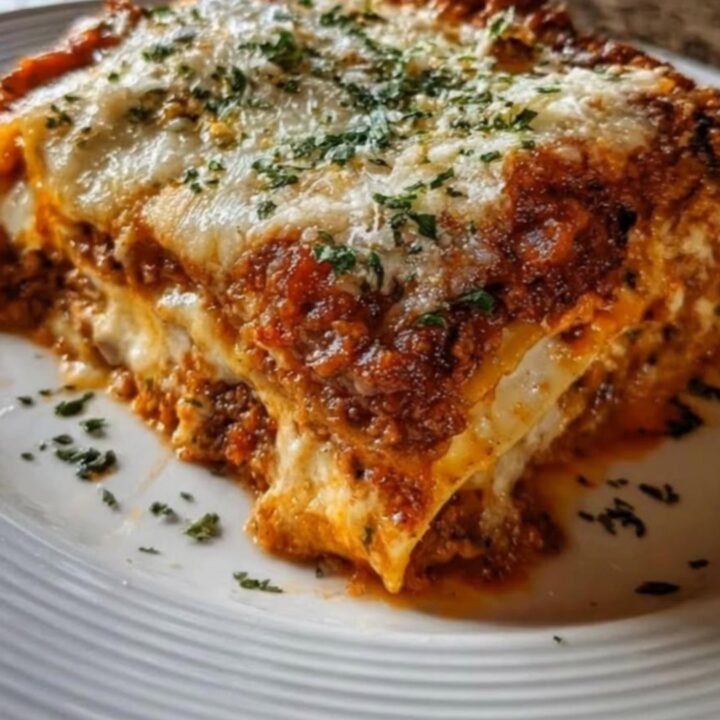
- Place the final 4 pasta sheets on top of the layers. Spread the remaining meat sauce evenly over the pasta, then sprinkle the remaining 1 cup of shredded cheese over the top to cover it completely, ensuring no pasta edges are left exposed.
- Bake the assembled lasagna in the preheated oven at 375°F (190°C) for about 35 to 40 minutes. The cheese on top should become completely melted, bubbly, and deeply golden brown around the edges, indicating the dish is heated thoroughly.
- Remove the lasagna from the oven and let it rest for 15 minutes to allow the layers to set. Sprinkle the chopped parsley over the golden cheese crust, then slice into squares and serve warm, enjoying the ultra-gooey cheese pull.
Estimated nutrition per serving
- Calories
- 580
- Protein
- 32 g
- Carbohydrates
- 38 g
- Fat
- 33 g
- Fiber
- 3 g
- Sugar
- 6 g
- Sodium
- 980 mg
Next recipe

Tender Slow Cooker Country-Style Boneless Pork Ribs
See the recipe → →This recipe is based on a short cooking video and is published under the pen name Clara Weller. It was checked before publication, but errors can slip through. Nutrition, when shown, is an estimate. Read more in our editorial policy and on our food safety page.
More recipes to try
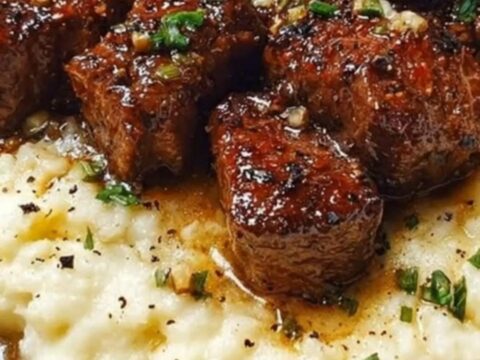
Garlic Butter Steak Bites over Creamy Mashed Potatoes
Total time: 33 min
Crispy Oven Baked Stuffed Chicken Breasts
Total time: 50 min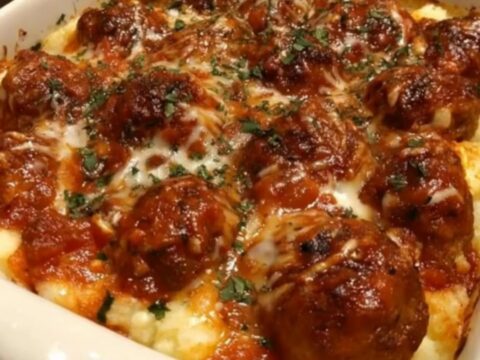
Cheesy Meatball and Mashed Potato Bake for Comfort Food Dinner
Total time: 40 min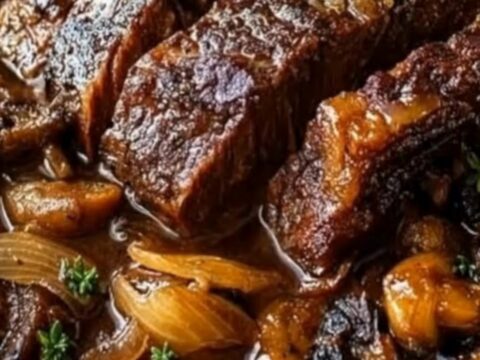
French Onion Mushroom Pot Roast with Rich Gravy
Total time: 4 h
Golden Baked Garlic Parmesan Spaghetti with Stretchy Cheese
Total time: 35 min