Dinner · Part 3 of 3: Tips & recipe card
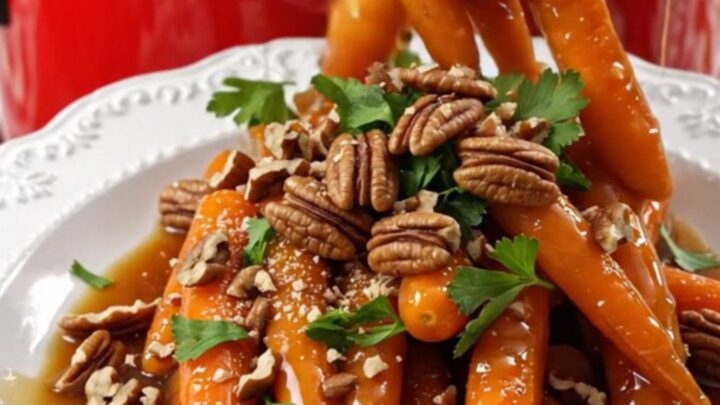
Brown Sugar Bourbon Crockpot Carrots Tips, FAQ & printable recipe
- Prep
- Cook
- Total
- Serves
- 8
Tips for success
For the best flavor, use dark brown sugar rather than light brown sugar. The extra molasses gives the glaze a richer, more caramel-like taste.
If you only have light brown sugar, add a teaspoon of molasses to deepen the color and flavor. When measuring brown sugar, pack it firmly into the measuring cup to ensure you get the full amount. This helps the glaze thicken properly.
Toasting the pecans is a small step that makes a big difference. Spread the pecans in a dry skillet over medium heat and cook, shaking the pan frequently, until they are fragrant and lightly browned.
This takes only 2–3 minutes. Toasted pecans have a deeper, nuttier flavor and stay crunchier when sprinkled over the carrots. If you skip toasting, the pecans may become soft when they come into contact with the warm glaze.
Variations
- Maple-Glazed Carrots: Replace the brown sugar with 1/2 cup maple syrup and use 1 tablespoon bourbon. The maple flavor pairs beautifully with the carrots and adds a slightly different sweetness. Omit the cinnamon or keep it for warmth.
- Spiced Carrots with Ginger: Add 1 teaspoon grated fresh ginger along with the cinnamon. The ginger adds a gentle heat that complements the sweet glaze. For extra depth, also add a pinch of nutmeg.
- Orange-Bourbon Carrots: Add 2 tablespoons orange juice and 1 teaspoon orange zest to the slow cooker. The citrus brightens the glaze and balances the bourbon. Garnish with a few strips of orange zest instead of parsley.
- Vegan Brown Sugar Carrots: Substitute the butter with 1/2 cup coconut oil or vegan butter. Use a vegan bourbon (most are). The carrots will still be rich and glossy, and the pecans add texture. Omit the butter and use a vegan alternative.
Storage and make-ahead
- Fridge
- Store leftovers in an airtight container in the refrigerator for up to 4 days. The glaze will set as it cools; add a splash of water when reheating.
- Freezer
- Freeze in a freezer-safe container for up to 3 months. Thaw overnight in the refrigerator, then reheat gently on the stovetop or microwave.
- Reheat
- Reheat in a saucepan over low heat, adding a splash of water or apple juice to loosen the glaze. Microwave in 30-second intervals, stirring between, until hot.
Store leftover carrots in an airtight container in the refrigerator for up to 4 days. The glaze will thicken as it cools; when reheating, add a splash of water or apple juice to loosen it. Reheat gently in the microwave or on the stovetop until warm. Do not leave the carrots at room temperature for more than 2 hours after cooking.
This recipe is ideal for making ahead. Prepare the carrots and place all ingredients in the slow cooker insert, then cover and refrigerate overnight. In the morning, place the insert in the slow cooker and cook on HIGH for 3 hours.
Alternatively, cook the carrots fully, then transfer to a serving dish, cover, and refrigerate. Reheat before serving, adding a little water if the glaze is too thick.
Serving ideas
Serve these carrots as a side dish alongside roasted turkey, glazed ham, or a simple roast chicken. They also pair well with mashed potatoes and green beans for a classic holiday spread.
The sweet, buttery glaze complements savory mains, while the pecans add a festive crunch. For a pretty presentation, serve on a white platter to make the amber glaze pop.
These carrots are versatile enough for a weeknight dinner too. Serve them with grilled pork chops or seared salmon for a touch of sweetness. Leftovers can be chopped and stirred into salads or grain bowls for a sweet-savory element. The glaze is also delicious drizzled over roasted vegetables or used as a sauce for meatballs.
Frequently asked questions
Can this recipe be made on low heat instead of high?
What can be used instead of bourbon?
How can the glaze be thickened if it is too thin?
Can this recipe be doubled?
Why are the carrots not as sweet as expected?
Brown Sugar Bourbon Crockpot Carrots
Ingredients
- 2 lb baby carrots
- 1/2 cup dark brown sugar, packed
- 1 stick unsalted butter, cubed
- 2 tbsp bourbon
- 1/2 tsp ground cinnamon
- 1/2 tsp sea salt
- 1/4 cup toasted pecans, chopped
- 2 tbsp fresh parsley, chopped
Instructions
- Place the baby carrots in the bottom of a 6-quart slow cooker. Sprinkle the dark brown sugar evenly over the carrots. Scatter the cubed butter on top. Pour the bourbon over everything, then sprinkle with the cinnamon and sea salt. Do not stir—the layers will melt together as the slow cooker heats.
- Place the lid securely on the slow cooker. Set the temperature to HIGH. Cook for 3 hours without lifting the lid, allowing the butter and sugar to melt into a rich glaze and the carrots to steam until fork-tender.
- After 3 hours on HIGH, check the carrots by piercing one with a fork. They should be tender but not mushy, and the liquid should have reduced to a syrupy glaze that coats the carrots. If the carrots are still firm, continue cooking in 20-minute increments, checking each time, until they reach the desired tenderness.
- Gently stir the carrots with a spatula to coat them evenly with the brown sugar bourbon glaze. The carrots should be glossy and caramel-colored. If the glaze seems thin, continue cooking uncovered for an additional 10–15 minutes to reduce it further.
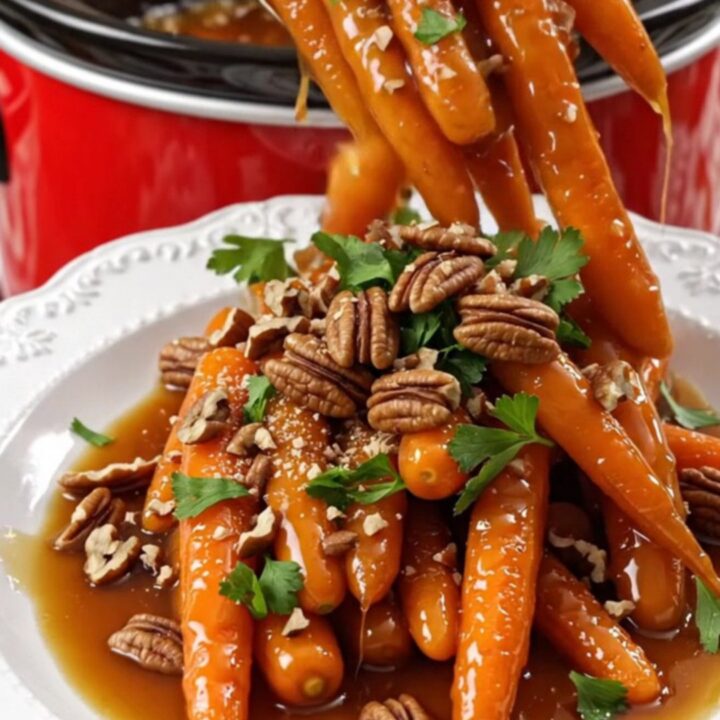
- Using a slotted spoon, transfer the glazed carrots to a white serving platter, leaving the excess glaze behind. Arrange them in an even layer so they are visible and inviting.
- Sprinkle the chopped toasted pecans and fresh parsley over the carrots just before serving. The pecans add a nutty crunch, while the parsley provides a fresh, bright contrast to the sweet glaze. Serve immediately while warm.
Estimated nutrition per serving
- Calories
- 210
- Protein
- 1 g
- Carbohydrates
- 28 g
- Fat
- 10 g
- Fiber
- 3 g
- Sugar
- 22 g
Next recipe
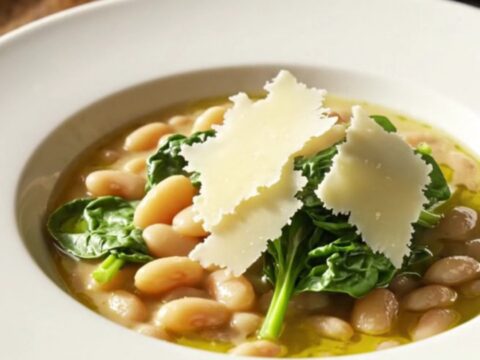
Creamy Tuscan Garlic Parmesan White Beans
See the recipe → →This recipe is based on a short cooking video and is published under the pen name Clara Weller. It was checked before publication, but errors can slip through. Nutrition, when shown, is an estimate. Read more in our editorial policy and on our food safety page.
More recipes to try
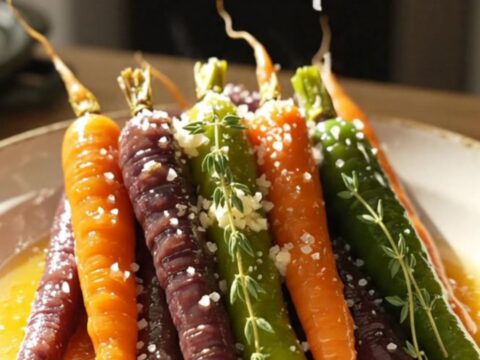
Honey Garlic Butter Rainbow Carrots
Total time: 4 h 10 min
Creamy Loaded Crockpot Cauliflower Mash
Total time: 3 h 10 min
Four-Cheese Crockpot Cauliflower Au Gratin
Total time: 2 h 45 min
Effortless Slow Cooker Cajun Maque Choux Corn
Total time: 2 h 45 min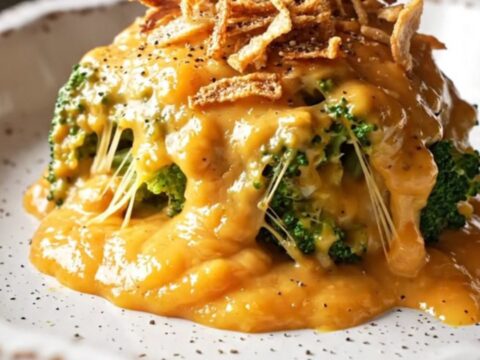
Smoked Gouda and Broccoli Gratin
Total time: 2 h 45 min