Desserts
Delicious Sufganiyot: Homemade Treats to Elevate Your Joy
Please note: this recipe comes from an earlier version of this site, before our current process, and has not been through our automatic checks. Its first-person passages, which do not describe real events, are hidden whenever they can be detected automatically; some old wording may remain. How we make recipes today
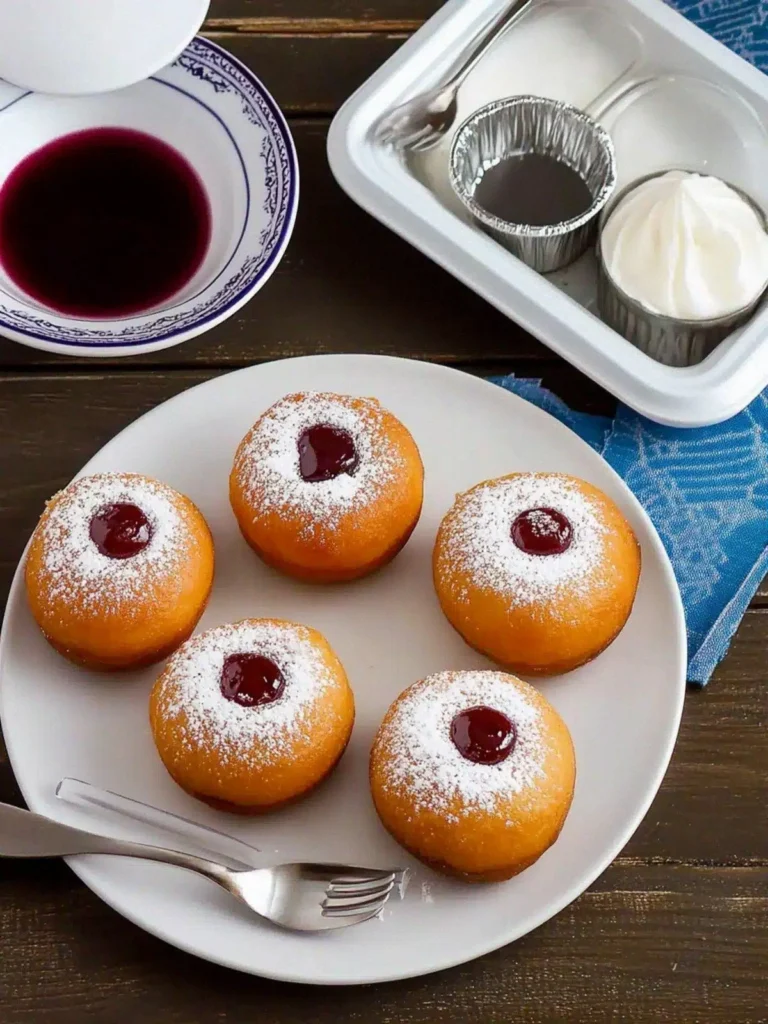
What Makes This Version Stand Out
- Taste: The combination of vanilla, a hint of citrus from the liquor, and a generous swirl of fruit jelly creates a flavor profile that feels both familiar and exhilarating.
- Texture: The dough achieves a cloud‑soft interior with a perfectly crisp exterior, thanks to the precise oil temperature and the right yeast activation.
- Simplicity: Despite the impressive results, the recipe requires only a handful of pantry staples and a straightforward method that even beginners can master.
- Uniqueness: The inclusion of a subtle splash of liquor adds depth and complexity, setting these sufganiyot apart from the standard recipe.
- Ingredient Quality: Using unbleached all‑purpose flour, fresh eggs, and a high‑smoke‑point oil ensures a superior taste and texture.
- Cooking Method: The method balances a gentle rise with a rapid, high‑temperature fry, creating an irresistible contrast.
- Make‑Ahead Potential: The dough can be prepared ahead and refrigerated or frozen, making it ideal for busy schedules.
Inside the Ingredient List
The Flavor Base
Yeast is the heart of any leavened dough, and the 2 teaspoons of active dry yeast in this recipe is calibrated to give a gentle, even rise. It’s crucial to dissolve the yeast in lukewarm water or milk; too hot and you’ll kill the yeast, too cold and the rise will be sluggish. The yeast’s role is not just to inflate the dough but to develop subtle, caramelized notes that enhance the vanilla and liquor flavors. If you skip the yeast, the sufganiyot will be flat and dense, lacking that signature cloud‑like quality. For a slightly different flavor, try a pinch of nutmeg or a splash of orange zest in the liquid phase.
The 1/4 cup of granulated sugar is divided between the dough and the powdered sugar dusting, creating a sweet balance that doesn’t overpower the fruit jam. Sugar also aids in browning, giving the pastry a golden hue. If you prefer a lower sugar content, replace half the sugar with a natural sweetener like honey or maple syrup, but keep in mind that the texture may shift slightly. A good rule of thumb is to keep the total sugar content below 30% of the flour weight for optimal rise and flavor. For those who love a touch of caramel, add a teaspoon of brown sugar to the dough for a richer, deeper sweetness.
The Texture Crew
The 4 cups of unbleached all‑purpose flour provide the structural backbone of the dough. Unbleached flour contains more protein, which gives the pastry a slightly chewier, more satisfying bite. The 1 teaspoon of salt is essential; it balances sweetness and enhances the flavor profile. Salt also helps to control yeast activity, ensuring a consistent rise. If you’re using a low‑sodium diet, reduce the salt to 1/2 teaspoon, but be aware that the dough’s flavor will be more subtle.
The 1/4 cup of canola oil adds moisture and tenderness, preventing the dough from becoming too dry during the rise. Canola oil is neutral in flavor, allowing the vanilla and liquor to shine. If you prefer a more robust flavor, swap the canola oil for butter; this will add a richer, buttery note but will also slightly alter the texture. For a vegan version, use a plant‑based oil like grapeseed or sunflower oil. The oil also helps to create a crisp exterior during frying, giving the sufganiyot that coveted golden crunch.
The Unexpected Star
The 1 tablespoon of liquor—whether vodka, brandy, ouzo, or arak—acts as a subtle flavor enhancer and a leavening aid. Alcohol evaporates quickly during frying, leaving behind a nuanced flavor that can range from citrusy to floral, depending on your choice. If you’re hesitant about alcohol, you can replace it with a tablespoon of vanilla extract for a slightly different but still delightful flavor profile. The liquor also helps to keep the dough tender by breaking down gluten strands, resulting in a softer crumb. A friend once tried using gin and the result was a surprisingly aromatic pastry with a hint of juniper.
The 1 cup of fruit jelly or jam is the star of the show. It’s the sweet, sticky heart that melts into a luscious sauce when the pastry is warm. Choose a high‑quality jam with real fruit pieces for a burst of natural flavor. If you want a more sophisticated taste, try a combination of strawberry and raspberry jam. For a seasonal twist, use a pumpkin jam during the fall or a lemon jam for a bright, citrusy kick. The jam also adds moisture, ensuring the pastry stays soft and doesn’t dry out during storage.
The Final Flourish
High‑smoke‑point oil, such as canola, grapeseed, or sunflower, is essential for frying at the right temperature (around 350°F). Using a thermometer ensures the oil stays steady; too hot and the sufganiyot will brown too quickly, too cold and they’ll absorb too much oil and become greasy. The 1 cup of powdered sugar is used for a final dusting that adds a sweet, snowy finish. It also helps to set the surface and provides a gentle crunch when you bite into the pastry. If you’re watching your sugar intake, sprinkle a light dusting of cocoa powder instead for a slightly bitter contrast.
Everything’s prepped? Good. Let’s get into the real action and turn these ingredients into a cloud‑soft, jam‑filled dream.
The Method — Step by Step
- Activate the Yeast: In a small bowl, combine the 2 teaspoons of active dry yeast with 3/4 cup lukewarm water (or milk). Sprinkle the 1/4 cup sugar over the mixture and stir until dissolved. Let sit for 5–7 minutes until the mixture becomes foamy, indicating the yeast is alive. This foamy layer is the sign that your dough will rise beautifully. If the mixture doesn’t froth, discard the yeast and start fresh.
- Blend the Wet Ingredients: In a large mixing bowl, whisk together the 2 eggs, 1 teaspoon vanilla extract, and 1/4 cup canola oil until fully combined. Pour this mixture into the foamy yeast mixture. The wet blend should be smooth and slightly glossy, ready to mingle with the dry ingredients. If the mixture looks too runny, add a splash of milk to thicken it just a tad.
- Combine Dry Components: In a separate bowl, whisk together the 4 cups of unbleached flour, 1 teaspoon salt, and 1 tablespoon of liquor. The liquor will dissolve into the flour, creating a subtle flavor base. This dry mix should be free of lumps, ensuring a uniform dough texture. If you prefer a slightly thicker dough, add a tablespoon of flour; for a lighter dough, add a splash of water.
- Mix Wet and Dry: Pour the dry mix into the wet mixture gradually, stirring continuously with a wooden spoon or a silicone spatula. The dough should start to thicken and pull away from the sides of the bowl. If it feels too sticky, add a teaspoon of flour at a time until it reaches a smooth, pliable consistency. The goal is a dough that’s soft but not tacky.
- First Rise: Cover the bowl with a damp kitchen towel or plastic wrap and let the dough rise in a warm, draft‑free spot for about 1 hour, or until it doubles in size. The dough should look airy and have a slightly puffy texture. During this period, the yeast works its magic, turning sugars into carbon dioxide that inflates the dough. If your kitchen is chilly, place the bowl near a warm stove or use a low‑heat oven to speed up the rise.
- Shape the Sufganiyot: Once the dough has risen, turn it out onto a lightly floured surface. Divide the dough into 12 equal portions, each weighing about 3 ounces. Roll each portion into a smooth ball, then gently press it with your palm to create a slight indentation. This indentation will later hold the jam. If the dough resists, let it rest for a few minutes before shaping again.
- Second Rise: Place the shaped dough balls on a parchment‑lined tray, leaving a few inches between each. Cover lightly and let them rise again for 30–45 minutes, or until they puff up noticeably. The second rise is crucial for achieving that cloud‑soft interior. Keep the dough away from direct drafts, as this can cause uneven rising.
- Heat the Oil: Fill a deep, heavy‑bottomed pot with enough high‑smoke‑point oil to submerge the sufganiyot. Heat the oil to 350°F (175°C) and test the temperature with a small piece of dough; it should sizzle and rise to the surface within 30 seconds. If the oil is too hot, the pastry will burn on the outside before the inside cooks; if too cool, it will soak up oil and become greasy.
- Fry the Sufganiyot: Gently lower one dough ball into the oil, ensuring it doesn’t touch the bottom of the pot. Fry for 2–3 minutes on each side, or until a golden brown color develops. Use tongs to flip the pastry carefully. The sizzle when it hits the pan? Absolute perfection. Remove with a slotted spoon and let them drain on paper towels for a minute.
- Fill the Pastry: While the sufganiyot are still warm, use a small pastry bag or a spoon to fill each with 1 tablespoon of fruit jam. The jam should be warm enough to pour but not so hot that it melts the pastry. If the jam is too thick, gently heat it in a microwave for a few seconds to thin it out. The jam will expand slightly when it cools, adding that delightful burst of flavor.
- Final Dusting: Once all pastries are filled, dust them generously with 1 cup of powdered sugar. The powdered sugar adds a sweet, snowy finish and helps to set the surface. If you’re craving a twist, sprinkle a light dusting of cocoa powder for a subtle bittersweet contrast.
- Serve Immediately: Present the sufganiyot on a platter and watch as the steam rises, carrying the aroma of vanilla, fruit, and fried dough. The first bite should feel like a cloud that melts into a sweet, buttery, jam‑filled surprise. Let your guests indulge, and remember: this is the moment of truth. And now the fun part.
Insider Tricks for Flawless Results
The Temperature Rule Nobody Follows
Temperature is everything when it comes to frying. Many people set the oil to 300°F, but the sweet spot for sufganiyot is 350°F. This higher temperature gives the pastry a crisp exterior while keeping the interior fluffy. Use a digital thermometer to keep the oil steady; even a slight dip can cause uneven browning. The trick is to let the oil rest for a minute after reaching the target temperature before adding the dough.
Why Your Nose Knows Best
The aroma of the dough rising is a subtle indicator that the yeast is working properly. A sweet, yeasty scent means the dough is ready for shaping. If you don’t notice any scent, give it a few more minutes. A friend tried skipping this step once, and the result was a dense, unappetizing pastry that was a culinary disaster. Trust your nose; it’s a reliable guide.
The 5-Minute Rest That Changes Everything
After frying, let the sufganiyot rest on a wire rack for 5 minutes. This rest allows the steam to escape, preventing sogginess. The pastries will firm up slightly, giving them that perfect bite. If you’re in a hurry, place them on a paper towel for 2 minutes, but the wire rack is ideal for a crisp finish. The rest period also allows the jam to set slightly, preventing it from leaking.
Don’t Skip the Dusting
Powdered sugar isn’t just for aesthetics; it creates a subtle glaze that enhances the flavor. Sprinkle it while the pastries are still warm, so it adheres better. A light dusting is enough; too much can make the pastries overly sweet. If you’re looking for a healthier option, use a sugar substitute like stevia or erythritol in powdered form.
Use a Pastry Bag for Even Filling
A small pastry bag or even a plastic bag with a tiny hole works wonders for filling the pastries with jam. This ensures an even distribution of jam, preventing one side from being jam‑heavy and the other dry. If you’re filling manually, use a small spoon and press the jam into the center. The key is to keep the filling centered to maintain the pastry’s shape.
The Perfect Oil Choice
Canola oil is great, but grapeseed or sunflower oil offers a higher smoke point and a neutral flavor. These oils also help achieve a golden crust without imparting any off‑flavors. If you’re vegan, use a plant‑based oil that can withstand high temperatures. The oil’s quality directly affects the texture and taste of the final product.
Creative Twists and Variations
Chocolate‑Infused Sufganiyot
Add 2 tablespoons of cocoa powder to the dry mix for a chocolatey dough. Replace the vanilla with a teaspoon of almond extract for a nutty undertone. Fill with a dark chocolate ganache instead of jam. The result is a decadent, chocolate‑filled pastry that’s a treat for any chocolate lover.
Citrus Zest Surprise
Grate the zest of one orange and one lemon into the wet mixture. The citrus adds a bright, refreshing flavor that cuts through the sweetness. Use a lemon jam for filling to complement the zest. The combination creates a vibrant, citrus‑laden pastry that’s perfect for spring and summer.
Spiced Pumpkin Delight
Incorporate 1 teaspoon of pumpkin pie spice into the dry mix. Replace the fruit jam with pumpkin puree mixed with a touch of maple syrup. The pastry takes on a warm, autumnal flavor profile. It’s an excellent choice for a cozy fall gathering.
Nutty Banana Fusion
Mash a ripe banana into the wet mixture before adding the dry ingredients. Add a handful of chopped walnuts or pecans to the dough for crunch. Use a banana jam or a swirl of peanut butter for filling. The result is a sweet, nutty pastry that satisfies both sweet and savory cravings.
Berry‑Burst Variation
Use a mixed berry jam for a burst of tartness. Add fresh blueberries or raspberries to the dough for visual appeal. Finish with a dusting of powdered sugar and a drizzle of honey. The berries give a juicy, flavorful twist that’s a crowd‑pleaser.
Vegan Delight
Swap the eggs for 2 ripe bananas or a tablespoon of flaxseed meal mixed with water. Use a plant‑based milk instead of dairy. Replace the powdered sugar with a vegan alternative like coconut sugar. The vegan version maintains the fluffy texture while being fully plant‑based.
Storing and Bringing It Back to Life
Fridge Storage
Store leftover sufganiyot in an airtight container in the refrigerator for up to 3 days. The pastry will stay moist, but the texture may soften slightly. To refresh, warm them in a 300°F oven for 5 minutes before serving. The heat restores the crisp exterior and the fluffy interior. The aroma will instantly bring back the kitchen memories.
Freezer Friendly
Place sufganiyot on a parchment‑lined tray and freeze until solid. Transfer to a freezer bag or container for up to 2 months. When ready to eat, thaw at room temperature for 30 minutes, then warm in a 300°F oven for 10 minutes. The pastry retains its quality, and the jam remains firm. Freezing is a lifesaver for busy weeknights.
Best Reheating Method
Reheat in a 350°F oven for 5–7 minutes, or until warm. Add a tiny splash of water to the bottom of the baking sheet to create steam, which keeps the pastry from drying out. Avoid microwaving, as it can make the pastry soggy. The oven method restores the golden crust and the fluffy interior, giving you a fresh‑baked experience.
Delicious Sufganiyot: Homemade
Homemade Recipe
Ingredients
- 2 teaspoons active dry yeast
- 0.75 cups lukewarm water or milk
- 0.25 cups granulated sugar
- 0.25 cups canola oil
- 2 large eggs
- 1 teaspoon vanilla extract
- 4 cups unbleached all-purpose flour
- 1 teaspoon salt
- 1 tablespoon liquor (vodka, brandy, ouzo, or arak)
- 1 cup fruit jelly or jam
- 1 cup high smoke point oil for frying
- 1 cup powdered sugar
Directions
- Activate the yeast by dissolving it in lukewarm water or milk, add sugar, and let it foam for 5–7 minutes.
- Whisk eggs, vanilla, and canola oil until smooth; combine with the yeast mixture.
- Whisk flour, salt, and liquor; fold into wet mixture until a smooth dough forms.
- Cover and let the dough rise until doubled, about 1 hour.
- Divide dough into 12 portions, shape into balls, and let them rise again for 30–45 minutes.
- Heat oil to 350°F; fry each pastry until golden, 2–3 minutes per side.
- Fill warm pastries with jam using a pastry bag or spoon.
- Dust with powdered sugar; serve immediately.
Common Questions
Can I use a different type of flour?
What if I don’t have liquor?
How long can I store them?
What oil should I use for frying?
Can I make them vegan?
How do I keep them from becoming soggy?
Next recipe

Roasted Ruby Plum Galette with Almond Frangipane
See the recipe → →More recipes to try

Raspberry Lemon Curd Mascarpone Layer Cake
Total time: 1 h 40 min
Strawberry Pistachio Ruby Chocolate Bark Recipe
Total time: 50 min
Pistachio Honey Baklava Cheesecake with Chocolate Curls
Total time: 5 h 30 min
Bananas Foster Tart with Pecan Butterscotch Puff Pastry
Total time: 1 h 5 min
Hazelnut Espresso Crunch Caramel Dark Chocolate Bars
Total time: 1 h 40 min