Desserts
Delicious Lemon Biscotti to Brighten Your Snack Time
Please note: this recipe comes from an earlier version of this site, before our current process, and has not been through our automatic checks. Its first-person passages, which do not describe real events, are hidden whenever they can be detected automatically; some old wording may remain. How we make recipes today
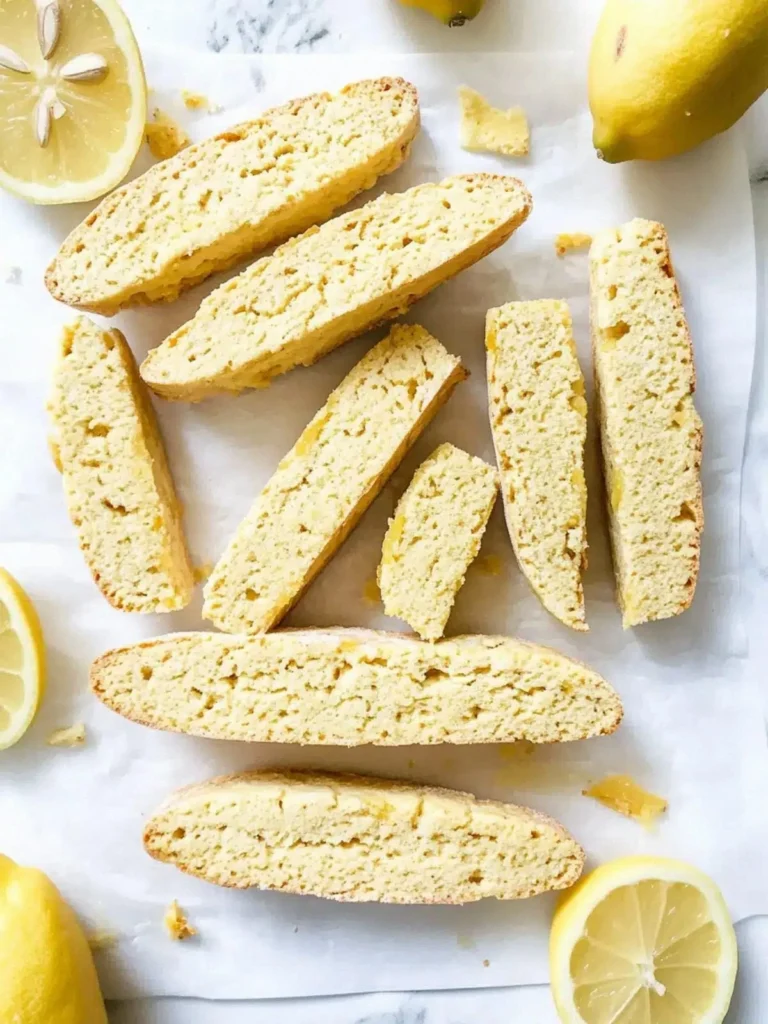
What Makes This Version Stand Out
- Taste: The citrus is front and center, with a bright, zesty punch that doesn’t overpower the buttery base. The subtle sweetness from the powdered sugar in the dough creates a velvety finish that lingers on the palate.
- Texture: The double‑baking process gives the biscotti a crisp exterior that cracks with a satisfying snap, while the interior remains tender and slightly moist—think of a perfectly baked cookie that never feels dry.
- Simplicity: Only nine ingredients, all pantry staples, make this recipe approachable for beginners and seasoned bakers alike. No fancy equipment or obscure ingredients required.
- Uniqueness: Incorporating powdered sugar into the dough is a secret trick that sets these biscotti apart from the standard recipe, giving them a subtle glaze that enhances both flavor and appearance.
- Ingredient Quality: Freshly squeezed lemon juice and real butter are non-negotiable. The quality of these core ingredients determines the depth of flavor.
Inside the Ingredient List
The Flavor Base
Butter is the heart of any biscuit, providing richness that coats the palate like velvet. A generous 4 tablespoons of unsalted butter melts into the dough, infusing it with a buttery aroma that awakens the senses. If you substitute margarine or shortening, the flavor will be flat and the texture will lack that coveted snap.
The Sweetness Spectrum
Granulated sugar (¾ cup) balances the citrus, preventing the lemon from becoming too sharp. The sugar also aids in browning, giving the biscotti that golden crust. Skipping sugar will result in a bland dough that won’t caramelize properly.
The Unexpected Star
Zest of 2 lemons delivers a burst of essential oils, turning ordinary biscuits into a citrus symphony. The zest’s bright, oily profile is the secret that makes these biscotti memorable. If you can’t find fresh lemons, a teaspoon of lemon zest powder is a decent fallback, but the flavor will be less vibrant.
The Final Flourish
All‑purpose flour (2 cups) provides the structure that holds the biscuit together. The flour’s protein content creates gluten strands that give the biscotti its chewy bite. If you use whole‑grain flour, the biscuits will be denser and less airy, which may not be your preference.
Everything’s prepped? Good. Let’s get into the real action.
The Method — Step by Step
- Preheat the oven to 350°F (175°C). Let the oven settle into a steady rhythm; it’s the foundation for even baking. The first scent you’ll notice is the buttery aroma starting to mingle with the lemon zest. Keep the oven rack in the middle so the biscuits bake uniformly. This step is crucial—over‑preheated ovens can cause the edges to brown too fast.
- In a small saucepan, melt 4 tablespoons of butter over low heat. Watch it turn a light golden hue; that’s the sign it’s ready. Remove from heat and let it cool just enough so it won’t burn the eggs when you add them. The butter should feel silky to the touch, not too hot.
- Whisk together ¾ cup granulated sugar, 3 eggs, and the lemon zest in a large bowl. The mixture should become a light, airy froth—almost like a thick mousse. This is where the citrus flavor gets fully integrated. If the batter is too thick, add a tablespoon of water to loosen it.
- Add the melted butter to the egg mixture. Stir gently until the butter is fully blended; the batter should have a smooth, glossy sheen. The butter’s fat will coat the flour later, ensuring the biscuits stay tender. This step is the moment of truth—if you rush it, the dough will be uneven.
- In a separate bowl, whisk together 2 cups all‑purpose flour, ⅛ teaspoon salt, and 1 teaspoon baking powder. This dry blend is the structural backbone of the biscotti. Sprinkle the mixture into the wet batter, folding gently with a spatula. The dough should be thick yet pliable, like a soft, warm dough that holds its shape.
- Transfer the dough onto a parchment‑lined baking sheet. Use a 1‑inch thick spatula or your hands to shape the dough into a 4‑inch long loaf. The loaf should be firm enough to hold its shape when you cut it. The edges will start to pull away slightly as the dough settles.
- Bake for 30 minutes. The biscuits should look golden brown and have a slight sheen. After the first bake, let them cool for 10 minutes before slicing. The first slice will have a crisp exterior and a soft interior.
- Slice the cooled loaf into ½‑inch thick pieces. Arrange the slices back on the parchment sheet, cut‑side down. Bake again at 350°F for another 10–12 minutes until the slices are crisp all the way through. The final bake will give the biscotti that signature crunch that shatters like thin ice.
Insider Tricks for Flawless Results
The Temperature Rule Nobody Follows
Many bakers think any oven temperature works, but the sweet spot for biscotti is a steady 350°F. An oven that runs hot will brown the edges too quickly, leaving a raw center. Keep an eye on the thermometer, and if you notice uneven browning, rotate the pan halfway through baking.
Why Your Nose Knows Best
Your sense of smell can be the ultimate judge of doneness. When the biscotti emit a warm, buttery aroma with a faint citrus undertone, they’re ready. If the scent leans too sweet or has a raw, doughy smell, they need more time.
The 5‑Minute Rest That Changes Everything
After the first bake, let the loaf rest for exactly five minutes before slicing. This pause allows the steam inside to redistribute, preventing the slices from cracking unevenly. A quick five‑minute rest also makes the dough easier to cut cleanly.
The Right Slicer
Use a serrated knife to cut the loaf. The saw‑tooth edge cuts through the dough cleanly, reducing the risk of tearing. A dull knife will crush the biscuits, ruining the crisp texture.
Dusting for the Final Touch
Before the second bake, dust the slices lightly with powdered sugar. The sugar melts slightly, giving the biscotti a subtle glaze that catches the light. If you prefer a darker crust, skip this step and let the natural browning take over.
Cooling on a Wire Rack
Place the sliced biscotti on a wire rack to cool. The airflow prevents steam from condensing on the bottom, keeping the biscuits crisp. If you leave them on a flat surface, they’ll become soggy over time.
Creative Twists and Variations
Honey‑Lemon Delight
Swap the powdered sugar for honey in the dough. The honey adds a floral sweetness that pairs beautifully with lemon. Serve with a drizzle of honey on top for an extra burst of flavor. This version is perfect for a brunch spread.
Almond‑Infused Crunch
Add ½ cup chopped toasted almonds to the dough. The nuts provide a nutty crunch that contrasts with the buttery biscuit. Use almond flour as a partial substitute for all‑purpose flour to deepen the almond flavor.
Chocolate‑Covered Surprise
After the second bake, dip half of the biscotti in melted dark chocolate. Let them set on parchment. The chocolate coating adds a rich, bittersweet finish that balances the citrus.
Coconut‑Lime Twist
Replace the lemon zest with lime zest and stir in 1 cup shredded coconut. The coconut brings a tropical vibe, while the lime offers a sharper citrus note. This variation is great for summer parties.
Spiced‑Up Zest
Add ¼ teaspoon of freshly ground ginger to the dry mix. The ginger adds a subtle warmth that complements the lemon. This spicy kick makes the biscotti a conversation starter at any gathering.
Vanilla‑Lemon Fusion
Stir in 1 teaspoon of vanilla extract with the wet ingredients. The vanilla deepens the flavor profile, making the biscotti more complex. This version works well as a dessert accompaniment.
Storing and Bringing It Back to Life
Fridge Storage
Store biscotti in an airtight container at room temperature for up to a week. If you’re in a humid climate, place a small paper towel in the container to absorb excess moisture. This keeps the biscuits crisp and prevents mold growth.
Freezer Friendly
Freeze biscotti in a zip‑lock bag for up to three months. Thaw at room temperature for 30 minutes before serving. The biscuits maintain their crunch and flavor when properly stored.
Best Reheating Method
Reheat in a pre‑heated oven at 300°F for 5 minutes. Add a tiny splash of water to the bottom of the pan before reheating; this steams the biscuits back to perfection, restoring that satisfying snap.
Delicious Lemon Biscotti to Br
Homemade Recipe
Ingredients
- 4 tablespoons butter
- 0.75 cup granulated sugar
- 3 eggs
- 2 lemon zests
- 2 cups all‑purpose flour
- 0.125 teaspoon salt
- 1 teaspoon baking powder
- 1 cup powdered sugar
- 1 lemon juice
Directions
- Preheat the oven to 350°F (175°C) and set the middle rack. The oven should reach a steady temperature before you begin mixing. This ensures even baking and a golden crust.
- In a small saucepan, melt 4 tablespoons of butter over low heat. Allow it to turn a light golden hue, then remove from heat. Let it cool slightly so it won’t cook the eggs when added.
- Whisk ¾ cup granulated sugar, 3 eggs, and the zest of 2 lemons in a large bowl until the mixture is light and frothy. The batter should have a glossy sheen. This step is where the citrus flavor fully integrates.
- Add the melted butter to the wet mixture and stir until fully incorporated. The batter should be smooth, with no lumps. This creates the buttery base that keeps the biscotti tender.
- Whisk 2 cups all‑purpose flour, ⅛ teaspoon salt, and 1 teaspoon baking powder in a separate bowl. Gradually fold the dry mix into the wet batter until just combined. The dough should be thick yet pliable.
- Transfer the dough onto a parchment‑lined baking sheet and shape it into a 4‑inch loaf. The loaf should hold its shape when pressed lightly. The edges will begin to pull away slightly as the dough sets.
- Bake for 30 minutes. The biscotti should be golden brown and have a slight sheen. After baking, let them cool on the sheet for 10 minutes before slicing.
- Slice the loaf into ½‑inch thick pieces. Arrange the slices back on the parchment sheet, cut‑side down. Bake again at 350°F for 10–12 minutes until crisp all the way through.
- Let the biscotti cool completely on a wire rack before serving. The cooling process ensures maximum crunch. Store in an airtight container at room temperature for up to a week.
Common Questions
Can I use brown sugar instead of granulated sugar?
What if I don’t have a serrated knife?
How long do they stay crisp?
Can I add nuts to the dough?
Is there a way to make them sweeter?
Can I freeze the dough before baking?
Next recipe

Roasted Ruby Plum Galette with Almond Frangipane
See the recipe → →More recipes to try

Raspberry Lemon Curd Mascarpone Layer Cake
Total time: 1 h 40 min
Strawberry Pistachio Ruby Chocolate Bark Recipe
Total time: 50 min
Pistachio Honey Baklava Cheesecake with Chocolate Curls
Total time: 5 h 30 min
Bananas Foster Tart with Pecan Butterscotch Puff Pastry
Total time: 1 h 5 min
Hazelnut Espresso Crunch Caramel Dark Chocolate Bars
Total time: 1 h 40 min