Dinner · Part 3 of 3: Tips & recipe card
Slow-Cooker Herb Butter Garlic Corn Sea Scallops Tips, FAQ & printable recipe
- Prep
- Cook
- Total
- Serves
- 4
Tips for success
To make your own parsley-garlic scampi butter, combine 6 tablespoons softened unsalted butter with 2 minced garlic cloves, 2 tablespoons chopped fresh parsley, 1 teaspoon lemon zest, and a pinch of salt and black pepper.
Mix until well combined, then chill until firm. You can make this ahead of time and keep it in the fridge for up to a week, or freeze it for up to three months. Having this butter on hand makes this recipe even quicker to assemble.
For the best texture, avoid stirring the slow cooker while the seafood cooks. The gentle heat and steam will cook the seafood evenly without agitation. If you prefer a thicker sauce, you can remove the seafood and corn with a slotted spoon, then whisk 1 tablespoon of cornstarch into the remaining sauce and cook on high for 10 minutes until thickened. This is optional, as the sauce is delicious as-is.
Variations
- Spicy Cajun Twist: Add 1 tablespoon Cajun seasoning and 1 teaspoon smoked paprika to the slow cooker before cooking. Replace the white wine with chicken broth and add a few dashes of hot sauce. The spices will give the dish a warm, smoky heat that pairs beautifully with the sweet corn.
- Lemon-Herb Version: Add 2 tablespoons fresh lemon juice and 1 teaspoon lemon zest to the slow cooker along with the wine. Increase the parsley in the scampi butter to 3 tablespoons and add 1 teaspoon fresh thyme leaves. This brightens the dish and adds a fresh, citrusy note.
- Tomato-Basil Variation: Stir 1 cup cherry tomatoes and 1/4 cup chopped fresh basil into the slow cooker before cooking. The tomatoes will burst and create a light, tangy sauce that complements the seafood. Serve with a sprinkle of extra basil on top.
- Coconut-Curry Seafood: Replace the white wine with 1/2 cup coconut milk and 1 tablespoon red curry paste. Add 1 tablespoon fish sauce and 1 teaspoon brown sugar. The result is a rich, aromatic curry sauce that pairs well with jasmine rice and fresh cilantro.
Storage and make-ahead
- Fridge
- Store leftovers in an airtight container in the refrigerator for up to 3 days. Reheat gently on the stovetop with a splash of wine or broth.
- Freezer
- Freeze leftovers in a freezer-safe container for up to 2 months. Thaw overnight in the refrigerator before reheating gently.
- Reheat
- Reheat in a skillet over medium-low heat, adding a splash of white wine or chicken broth to loosen the sauce. Warm gently until heated through, about 5 minutes.
Store any leftover seafood and sauce in an airtight container in the refrigerator for up to 3 days. The sauce will solidify as it cools, but it will re-melt when reheated.
To reheat, place the leftovers in a skillet over medium-low heat, adding a splash of white wine or chicken broth to loosen the sauce. Gently warm the seafood until heated through, being careful not to overcook. The seafood may become slightly firmer upon reheating, but it will still be flavorful.
This recipe is best cooked fresh, but you can prep the ingredients ahead of time. Measure the corn, smash the garlic, and cut the butter into pats. Store them separately in the refrigerator. When ready to cook, simply layer everything in the slow cooker and turn it on.
You can also assemble the entire dish in the slow cooker insert the night before, cover, and refrigerate. In the morning, place the insert in the slow cooker and cook on low as directed. Add 15–20 minutes to the cook time if starting from cold.
Serving ideas
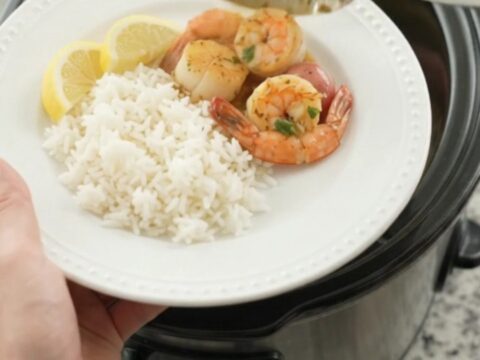
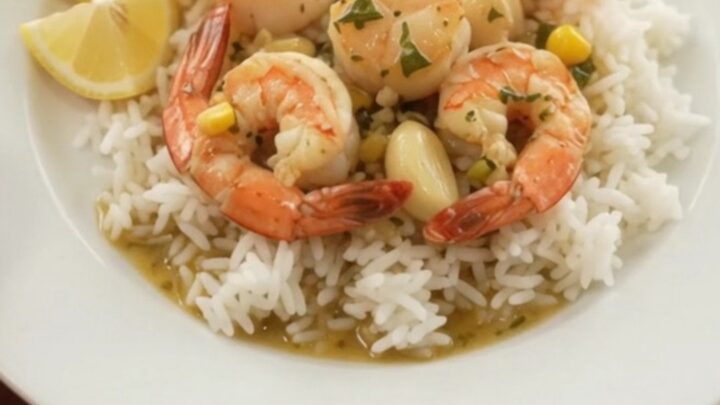
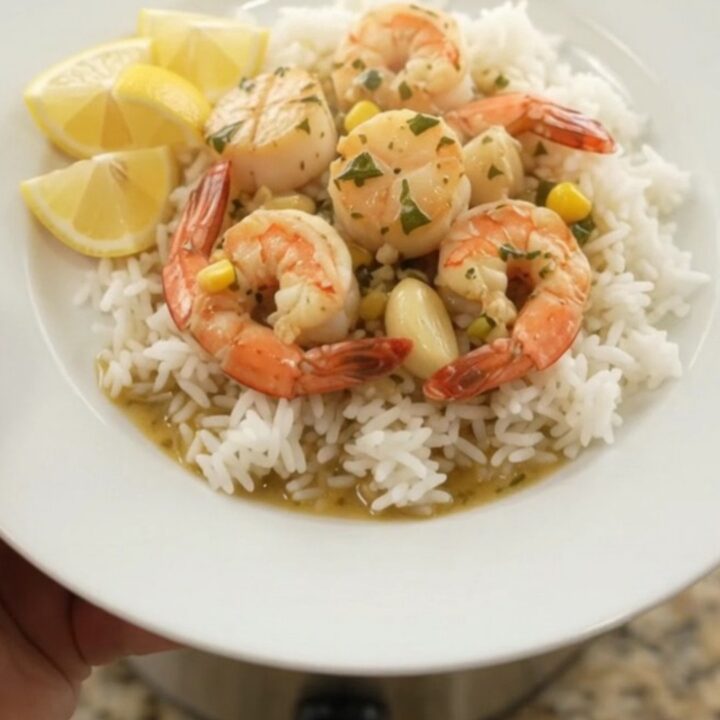
Serve the seafood boil over steamed white jasmine rice to soak up the buttery sauce. The rice provides a neutral base that lets the flavors of the seafood and garlic shine. Add a squeeze of fresh lemon juice over the top just before eating to brighten the dish. A side of crusty bread is also wonderful for dipping into the sauce. For a lighter option, serve the seafood and corn over a bed of greens or with roasted vegetables.
This dish is hearty enough to be a main course on its own, but it also pairs well with a simple green salad or sautéed spinach. The richness of the butter sauce calls for something fresh and crisp on the side.
If you're serving a crowd, double the recipe and use a larger slow cooker, or keep the original amount and serve it as a starter. The leftovers are delicious the next day, either reheated gently or chilled and served over a salad.
Frequently asked questions
Can this recipe be made with frozen seafood?
What can be used instead of white wine?
How can the sauce be thickened?
Can this recipe be doubled?
Why did the scallops turn out tough?
Slow-Cooker Herb Butter Garlic Corn Sea Scallops
Ingredients
- 1 lb dry-pack sea scallops
- 1 lb raw peeled jumbo shrimp
- 2 cups frozen sweet corn kernels
- 12 cloves garlic, smashed
- 6 tbsp parsley-garlic scampi butter, cut into pats
- 1/2 cup dry white wine
Instructions
- Place the dry-pack sea scallops and raw peeled jumbo shrimp in the bottom of a 6-quart slow cooker in an even layer. Scatter the frozen sweet corn kernels and the smashed garlic cloves over the seafood, distributing them evenly.
- Place the pats of parsley-garlic scampi butter on top of the seafood and corn. Pour the dry white wine evenly over everything. Do not stir.
- Cover the slow cooker and cook on LOW for 2 to 2 1/2 hours, until the scallops are opaque and firm to the touch and the shrimp are pink and curled. The internal temperature of the scallops and shrimp should reach 145°F (63°C) when checked with an instant-read thermometer.
- Using a slotted spoon, lift the scallops, shrimp, corn, and garlic from the butter sauce and divide among shallow bowls or plates. Spoon a little of the remaining butter sauce over each serving. Serve hot, with steamed white rice and lemon wedges on the side.
Estimated nutrition per serving
- Calories
- 420
- Protein
- 35 g
- Carbohydrates
- 20 g
- Fat
- 22 g
Next recipe
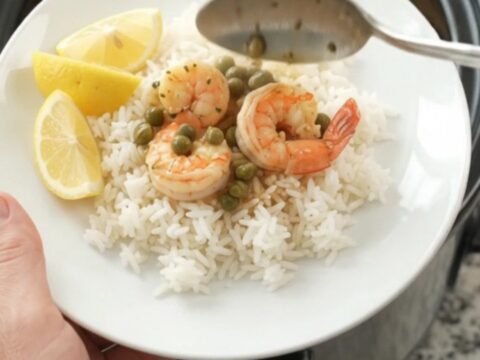
Old Bay Butter Lemon Caper Sea Scallops in Crockpot
See the recipe → →This recipe is based on a short cooking video and is published under the pen name Clara Weller. It was checked before publication, but errors can slip through. Nutrition, when shown, is an estimate. Read more in our editorial policy and on our food safety page.
More recipes to try
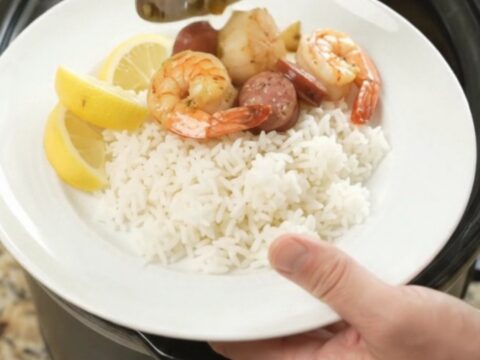
Chili Lime Butter Seafood Boil for the Slow Cooker
Total time: 3 h 15 min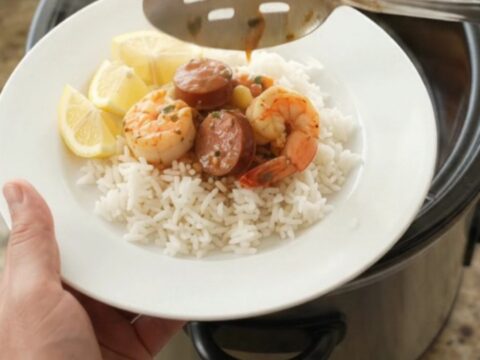
Slow Cooker Cajun Seafood Boil with Andouille
Total time: 3 h 15 min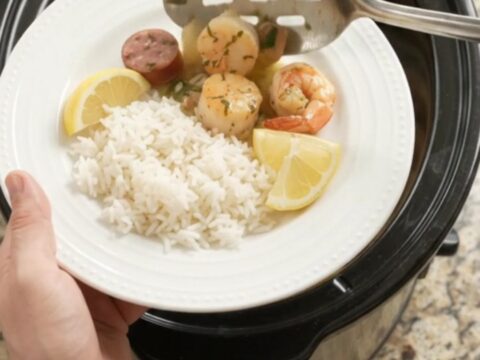
Herb Butter Andouille Boil Sea Scallops: Easy Crockpot
Total time: 3 h 15 min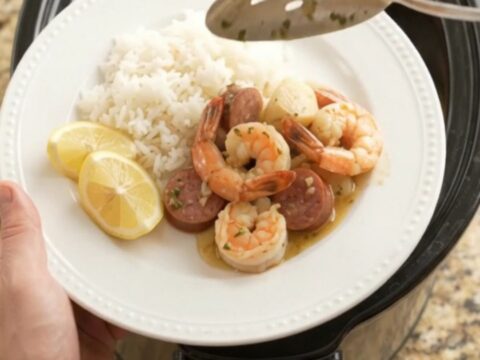
Slow-Cooker Old Bay Butter Seafood Boil
Total time: 4 h 15 min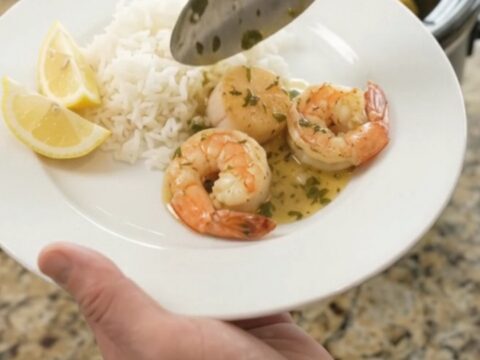
Herb Butter Cajun Boil Sea Scallops: One-Pot Crockpot Feast
Total time: 3 h 15 min