Dinner · Part 2 of 3: Instructions
Crockpot Balsamic Rosemary Pork Tenderloin Step-by-step instructions
- Prep
- Cook
- Total
- Serves
- 4
Before you start
Before beginning, ensure your slow cooker is clean and placed on a stable, heat-resistant surface. Have all ingredients measured and ready to go.
Trimming any excess silver skin from the pork tenderloin before cooking will result in a much better texture, as this connective tissue does not break down during the slow cooking process and can be quite chewy.
Check that your slow cooker is plugged into a reliable outlet and that the ceramic insert is properly seated in the heating base to ensure even heat distribution throughout the entire cooking cycle.
Ingredients at a glance (4)
- 1 lb pork tenderloin, trimmed
- 1 cup sliced red onion
- 1 tsp dried rosemary
- 1/2 cup balsamic vinegar
Instructions
Preparation and assembly
- Assemble the ingredientsPlace the pork tenderloin into the bottom of the slow cooker insert. Scatter the sliced red onion evenly over the top of the meat, sprinkle the dried rosemary over the pork and onions, and pour the balsamic vinegar over everything.Look for Ensure the pork is lying flat in the bottom of the slow cooker for even cooking.Tip Layering the onions underneath or around the pork helps keep it moist during the long cooking process.
The pork should be neatly placed in the slow cooker with the onions and seasonings distributed evenly. Ensure the balsamic vinegar is poured over the top so the meat can begin to marinate as it warms up.
Slow cooking cycle
- Slow cook the porkCover the slow cooker with its lid and set it to cook on low for 4 hours, or until the pork reaches an internal temperature of 145°F (63°C). Once reached, remove the meat and let it rest for at least 3 minutes before slicing to ensure the juices redistribute.Look for The pork should be very tender and easily pierced with a fork when finished.Safe temperature 145°F (63°C) internal temperature (steaks, chops and roasts)Tip Cooking on low heat is generally preferred for tenderloin to prevent the meat from drying out.
The kitchen will begin to smell savory and slightly tangy as the balsamic and rosemary infuse the pork. The meat should be firm but yielding when touched, and the liquid should be bubbling gently.
Resting and slicing
- Rest and serveCarefully remove the pork tenderloin from the slow cooker and transfer it to a cutting board. Let the meat rest for at least 5 minutes before slicing. Drizzle with the remaining balsamic liquid from the pot before serving.Look for The internal temperature should reach 145°F (63°C).Safe temperature 145°F (63°C) internal temperature (steaks, chops and roasts)Tip Letting the meat rest allows the juices to redistribute, ensuring every slice remains succulent and flavorful when served.
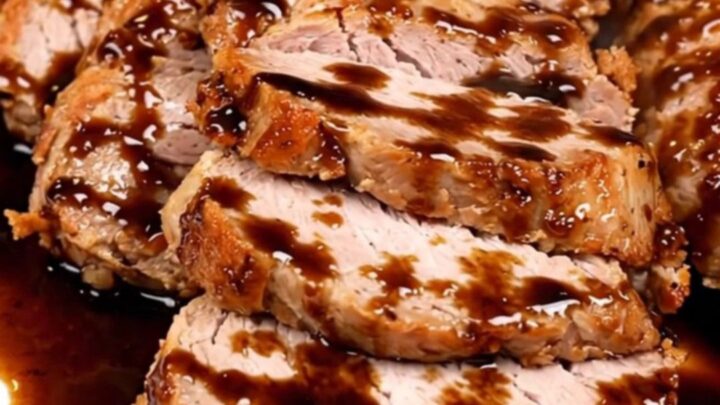
The pork should appear glossy and dark from the balsamic glaze. After resting, the meat should slice easily into clean rounds that hold their shape while remaining incredibly juicy and tender.
Common mistakes
A common mistake is cooking the tenderloin on a high setting for too long, which can cause the lean meat to dry out quickly. Always stick to the low setting for the best results.
Another error is failing to let the meat rest; cutting into the pork immediately after it comes out of the slow cooker will cause the juices to run out, leaving the meat dry. Additionally, avoid lifting the lid repeatedly, as this releases heat and moisture, which can significantly extend the cooking time and negatively impact the texture.
How to tell it’s done
The pork is done when it reaches an internal temperature of 145°F (63°C). At this stage, the meat should be opaque throughout and very tender. Using a digital meat thermometer inserted into the thickest part of the tenderloin is the best way to confirm doneness without guesswork.
Always allow the meat to rest for at least 5 minutes after removing it from the heat, as this rest period is essential for the juices to redistribute back into the meat fibers, ensuring a moist and succulent final result.
- Steaks, chops and roasts: 145°F (63°C) in the thickest part, then a 3-minute rest
Up next · Part 3 of 3
2 variations · storage & make-ahead · 3 answers · printable card
Tips, FAQ & printable recipe (Part 3)← Back to the ingredients (Part 1)