Appetizers · Part 3 of 3: Tips & recipe card
Crispy Turkish Cigar Pastries with Spiced Beef Tips, FAQ & printable recipe

- Prep
- Cook
- Total
- Serves
- 4
Tips for success
For the crispiest results, serve the pastries immediately after frying. If you need to keep them warm, place them on a wire rack in a low oven (200°F) for up to 15 minutes, but they are best enjoyed fresh.
To ensure even cooking, use a thermometer to monitor the oil temperature, aiming for around 350°F (175°C). If the oil is too hot, the outside will burn before the filling heats through; if too cool, the pastries will absorb excess oil and become greasy.
When rolling the cigars, keep the filling line about 1/2 inch thick and leave a small border on each side to fold in. This prevents the filling from leaking out during frying.
Use your fingers to moisten the tip with water and press firmly to seal. If you are using phyllo dough, cover the unused sheets with a damp towel to keep them pliable. Work quickly, as phyllo dries out and becomes brittle.
Variations
- Cheese Filling: Replace the beef filling with a mixture of crumbled feta cheese, chopped fresh dill, and a beaten egg. This classic Turkish variation is creamy and tangy, and pairs beautifully with the crispy phyllo.
- Potato Filling: Sauté diced potatoes with onions and spices until tender, then mash slightly and use as a filling. This vegetarian option is hearty and comforting, perfect for a meatless meal.
- Spicy Lamb: Use ground lamb and add extra pul biber or a pinch of cayenne to the filling for a spicier kick. The lamb's richness pairs well with the heat and the crisp pastry.
- Baked Version: Instead of frying, brush the cigars with melted butter or oil and bake at 400°F (200°C) for 15-20 minutes until golden and crisp. This is a lighter alternative that still yields a satisfying crunch.
Storage and make-ahead
- Fridge
- Store leftover fried pastries in an airtight container in the refrigerator for up to 3 days. Reheat in a 375°F oven for 5-7 minutes to restore crispness.
- Freezer
- Uncooked rolled cigars can be frozen in a single layer, then transferred to a freezer bag for up to 2 months.
- Reheat
- To reheat fried pastries, place them on a baking sheet in a 375°F (190°C) oven for 5-7 minutes until hot and crisp. Avoid microwaving, which makes them soggy.
Leftover pastries can be stored in an airtight container in the refrigerator for up to 3 days. To reheat, place them on a baking sheet and warm in a 375°F (190°C) oven for 5-7 minutes until crisp. Avoid microwaving, as it makes them soggy.
The filling can be prepared up to 2 days in advance and kept refrigerated. The pastries can also be rolled and kept in the refrigerator for up to 24 hours before frying; just cover them with plastic wrap to prevent drying.
For longer storage, freeze the uncooked cigars in a single layer, then transfer to a freezer bag. Fry directly from frozen, adding a couple of minutes to the cooking time.
Serving ideas
Serve the crispy cigar pastries hot, as an appetizer or snack. They are perfect for parties, game days, or as a meze spread. Accompany them with a simple dipping sauce like plain yogurt mixed with garlic and herbs, or a spicy tomato sauce.
In Turkey, they are often enjoyed with a side of pickled vegetables. The contrast of the hot, crispy pastry with a cool, tangy dip is delightful.
These pastries also make a satisfying light meal when paired with a fresh salad or soup. For a more substantial serving, offer them alongside other Turkish meze dishes like hummus, baba ghanoush, or stuffed grape leaves. Their portable shape makes them ideal for picnics and gatherings. Whatever the occasion, these golden cigars are sure to be a crowd-pleaser.
Frequently asked questions
What is the best oil for frying these pastries?
Can the pastries be made ahead and fried later?
Why do your pastries become soggy?
Can you bake these instead of frying?
What can you substitute for pul biber?
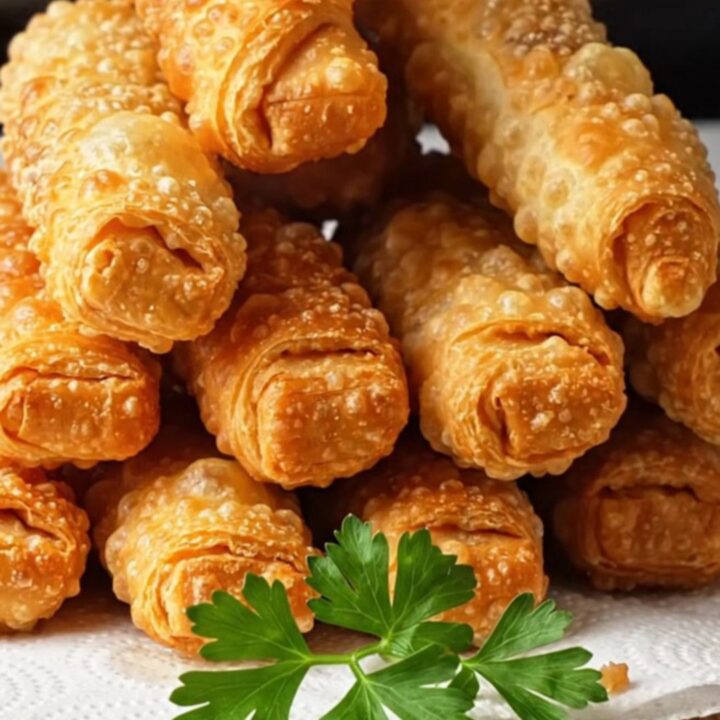
Crispy Turkish Cigar Pastries with Spiced Beef
Ingredients
- 1 packet triangular Turkish yufka sheets (or phyllo dough)
- 1 lb ground beef
- 1 medium onion, finely diced
- 1/2 tsp black pepper
- 1 tsp pul biber (Turkish red pepper flakes)
- 1/4 cup fresh parsley, chopped
- 1 cup vegetable oil, for frying
Instructions
- Heat a large skillet over medium-high heat. Add the ground beef and cook, breaking it up with a spatula, until browned and crumbly. Add the diced onion and continue cooking until the onion is soft and translucent, about 3 minutes. Season with black pepper and pul biber. Stir in the chopped parsley and remove from heat. Allow the filling to cool slightly before assembling.
- Lay one triangular yufka sheet on a clean work surface with the wide base facing you. Place a line of the beef filling along the wide edge, leaving a small border on each side. Fold the sides inward over the filling, then roll the pastry tightly away from you into a slender cigar shape. Dip your finger in water and moisten the pointed tip to seal the roll.
- Continue with the remaining yufka sheets and filling until all are used. Arrange the finished cigars on a plate or tray in a single layer, not touching, so they don't stick together.
- Pour the vegetable oil into a large skillet to a depth of about 1/2 inch. Heat over medium heat until the oil shimmers and a small piece of phyllo sizzles immediately when added.
- Carefully place a few cigars into the hot oil, seam side down, without overcrowding. Fry for about 2 minutes, then turn and fry for another 2 minutes, until all sides are blistered, golden amber, and rigid. Adjust the heat as needed to keep the oil at a steady sizzle.
- Remove the fried cigars with a slotted spoon and transfer to a plate lined with paper towels to drain excess oil. Repeat with the remaining cigars.
- Arrange the crispy cigar pastries on a serving platter. Serve immediately while hot and crackling. They are perfect as an appetizer or snack, and can be enjoyed on their own or with your favorite dipping sauce.
Estimated nutrition per serving
- Calories
- 320
- Protein
- 18 g
- Carbohydrates
- 22 g
- Fat
- 18 g
Next recipe

Triple Cheese Stuffed Pretzel Bites with Beer Cheese
See the recipe → →This recipe is based on a short cooking video and is published under the pen name Clara Weller. It was checked before publication, but errors can slip through. Nutrition, when shown, is an estimate. Read more in our editorial policy and on our food safety page.
More recipes to try
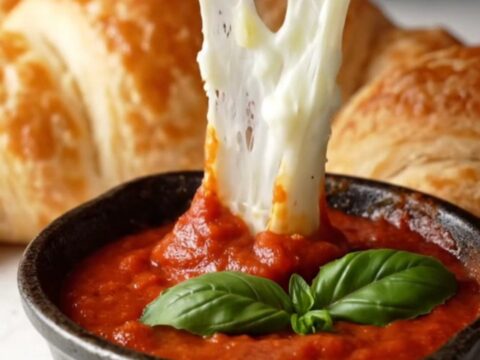
Cheesy Garlic Butter Pull-Apart Crescent Ring
Total time: 33 min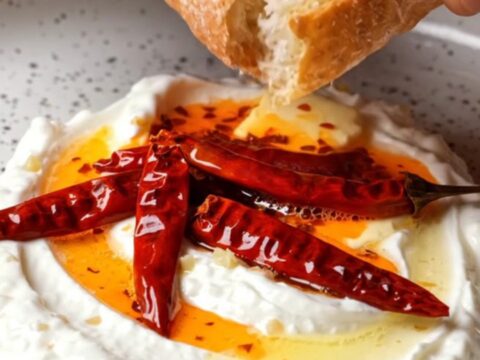
Turkish Atom Meze: Whipped Garlic Yogurt with Sizzling Chili Butter
Total time: 15 min
Baked Mushrooms with Garlic Butter & Kashar Cheese
Total time: 25 min
Crispy Rice Paper Beef Dumplings with Spicy Soy Dip
Total time: 36 min
Crispy Panko Calamari Steak Strips with Lemon Caper Aioli
Total time: 30 min