Dinner · Part 3 of 3: Tips & recipe card
Crispy Tonkatsu Onigirazu: Easy Sushi Rice Sandwich Tips, FAQ & printable recipe
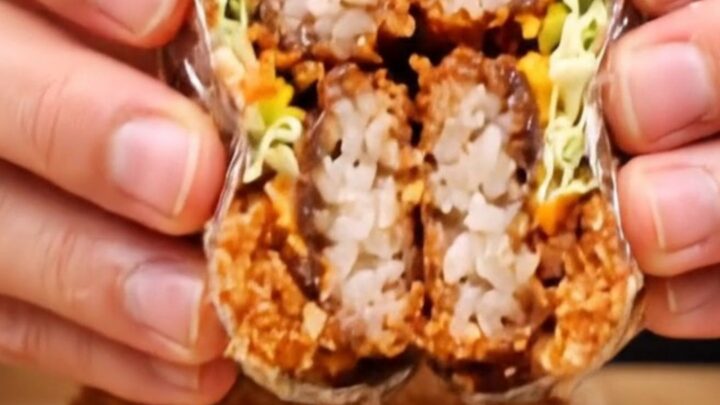
- Prep
- Cook
- Total
- Serves
- 2
Tips for success
To keep the katsu crispy, avoid adding too much sauce or mayo directly onto the cutlet—drizzle it over the cabbage instead. Also, make sure the rice is not too wet; if it is, pat it dry with a paper towel. When folding the nori, press gently but firmly to ensure it sticks. If the nori tears, you can patch it with a small piece of nori.
For a cleaner slice, use a serrated knife and saw gently through the sandwich, or use a sharp chef's knife and press down in one smooth motion. Keep the plastic wrap on while slicing to hold everything together.
After slicing, you can gently press the cut sides to reshape if needed. Serve immediately for the best texture, as the nori will continue to soften over time.
Variations
- Chicken Katsu Version: Substitute chicken breast for pork in the katsu. Pound chicken breasts to even thickness, season, coat in flour, egg, and panko, then fry until golden and cooked through. Adjust cooking time to ensure chicken reaches 165°F (74°C).
- Vegetarian Onigirazu: Replace the katsu with a crispy tofu cutlet. Press and slice extra-firm tofu, coat in cornstarch and panko, then pan-fry until golden. The result is a crunchy, protein-packed filling that pairs well with the same sauces.
- Spicy Mayo Twist: Mix a teaspoon of sriracha or chili paste into the Kewpie mayonnaise before drizzling. This adds a spicy kick that complements the sweet and tangy tonkatsu sauce. Adjust the amount to taste.
- Add Pickled Vegetables: Include a few slices of pickled daikon radish or cucumber along with the cabbage. The tangy, crunchy pickles add brightness and cut through the richness of the fried cutlet, adding another layer of flavor and texture.
Storage and make-ahead
- Fridge
- Store leftover onigirazu in the refrigerator, tightly wrapped, for up to 1 day. The nori will soften, but the taste remains good.
- Freezer
- Freezing is not recommended as the rice and nori become soggy upon thawing. For best quality, enjoy fresh.
- Reheat
- To reheat, remove plastic wrap and warm in a toaster oven at 350°F (175°C) for 5-7 minutes, or in a dry skillet over medium heat, turning occasionally.
Store any leftover onigirazu in the refrigerator, tightly wrapped in plastic wrap, for up to 1 day. The nori will become soft and chewy, but the flavors will still be good.
To keep the katsu crispy, you can reheat the sliced halves in a toaster oven or a dry skillet over medium heat for a few minutes. Avoid microwaving, as it will make the rice and nori soggy.
You can prepare the seasoned sushi rice and shred the cabbage up to a day ahead. Keep the rice covered at room temperature for up to 4 hours, or refrigerate and warm gently before use.
The katsu can be fried ahead and reheated in a 350°F (175°C) oven until crispy. Assemble the onigirazu just before serving to maintain the best texture, but it can be assembled and wrapped up to 2 hours ahead and kept at room temperature.
Serving ideas
Serve the tonkatsu onigirazu as a main dish for lunch or dinner, or cut into smaller pieces for appetizers. It pairs well with a simple Japanese-style salad, pickled vegetables, or a bowl of miso soup.
The sandwich is portable, making it great for picnics, bento boxes, or road trips. Enjoy it warm or at room temperature—both are delicious.
For a complete Japanese meal, serve the onigirazu with a side of edamame, cucumber salad, or steamed vegetables. You can also offer extra tonkatsu sauce or soy sauce for dipping. The sandwich is filling enough to stand alone, but the accompaniments add variety and balance. Slice it just before serving to show off the beautiful layers.
Frequently asked questions
Can this onigirazu be made ahead of time?
What is the best type of rice to use?
How do you keep the katsu crispy?
Can you use a different protein instead of pork or chicken?
Why does your onigirazu fall apart when slicing?
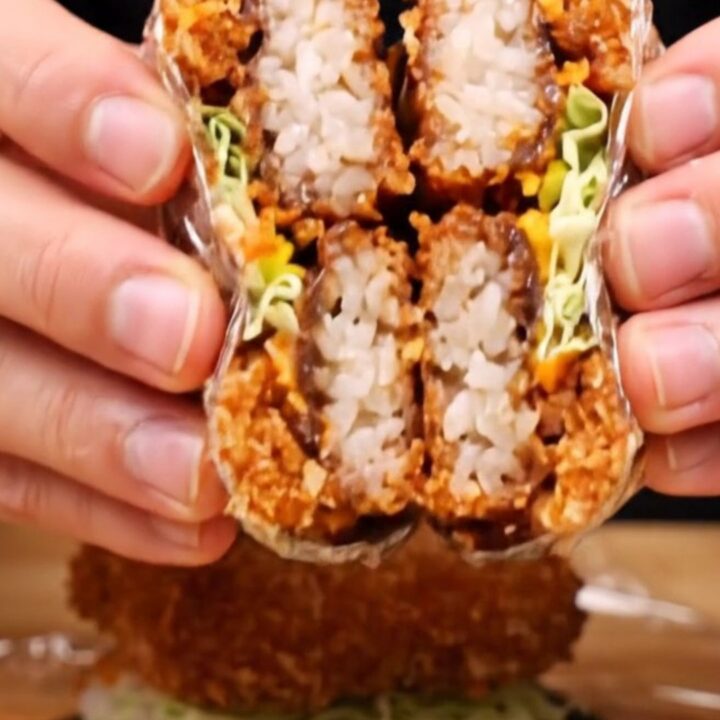
Crispy Tonkatsu Onigirazu: Easy Sushi Rice Sandwich
Ingredients
- 2 sheets toasted nori seaweed
- 300 g seasoned cooked sushi rice
- 1 crispy fried pork or chicken katsu cutlet
- 2 tbsp Japanese tonkatsu sauce
- 1 tbsp Kewpie mayonnaise
- 1 cup shredded green cabbage
- Plastic wrap for wrapping and tight slicing, to taste
Instructions
- Have the seasoned sushi rice ready at room temperature. If it was refrigerated, gently warm it in the microwave or over a double boiler until it is just slightly warm to the touch. Shred the green cabbage finely and set aside. Place a sheet of plastic wrap on a clean work surface.
- Place one sheet of nori diagonally on the plastic wrap. Wet your hands with water and take about half of the sushi rice. Spread it evenly in a square shape in the center of the nori, about 1/2-inch thick, leaving a border of nori around the edges.
- Sprinkle half of the shredded cabbage over the rice. Place the crispy katsu cutlet on top of the cabbage. Drizzle with half of the tonkatsu sauce and then half of the Kewpie mayonnaise in a zigzag pattern.
- Wet your hands again and take the remaining sushi rice. Spread it evenly over the katsu and cabbage, covering them completely. Press gently to make an even layer.
- Fold the four corners of the nori over the rice, one at a time, like an envelope. Press gently to adhere. The nori should wrap snugly around the rice and filling.
- Wrap the folded onigirazu tightly in the plastic wrap, twisting the ends to secure. Let it rest at room temperature for 5 to 10 minutes so the nori softens slightly and the sandwich holds its shape.
- Using a sharp knife, slice the wrapped onigirazu in half crosswise. Keep the plastic wrap on while slicing to prevent the filling from spilling. Remove the plastic wrap and serve the halves with the cut sides facing up.
Estimated nutrition per serving
- Calories
- 450
- Protein
- 25 g
- Carbohydrates
- 45 g
- Fat
- 18 g
Next recipe

Creamy Truffle Fettuccine Alfredo Swirled in a Cheese Wheel
See the recipe → →This recipe is based on a short cooking video and is published under the pen name Clara Weller. It was checked before publication, but errors can slip through. Nutrition, when shown, is an estimate. Read more in our editorial policy and on our food safety page.
More recipes to try
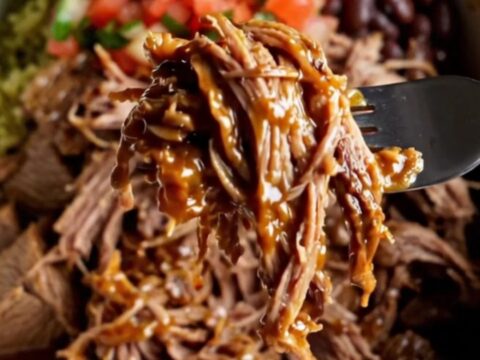
Slow-Cooker Barbacoa Beef Burrito Bowl with Cilantro Lime Brown Rice
Total time: 8 h 20 min
Roasted Garlic Tomato Bisque with Grilled Gruyère Sourdough Dippers
Total time: 50 min
Pan-Seared Lemon Garlic Butter Scallops with Creamy Parmesan Risotto
Total time: 55 min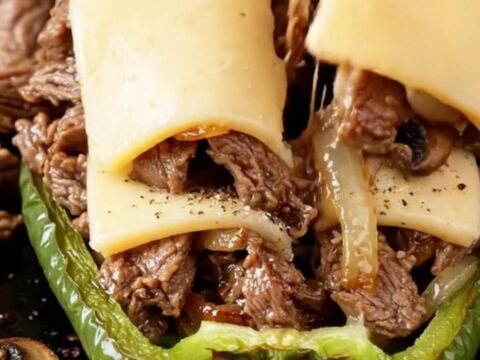
Philly Cheesesteak Stuffed Bell Peppers with Melted Provolone
Total time: 35 min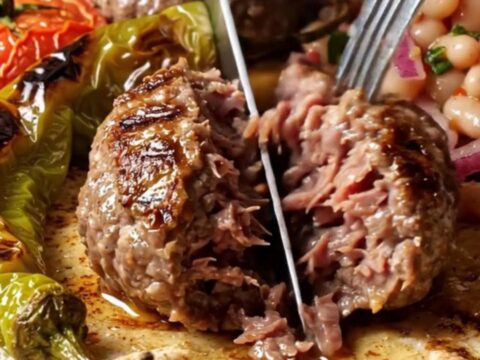
Akçaabat Köftesi with Charred Peppers and Sumac Piyaz
Total time: 35 min