Dinner · Part 1 of 3: Ingredients
Crispy Duck Breast in Thai Green Curry: One-Skillet Showstopper
- Prep
- Cook
- Total
- Serves
- 4
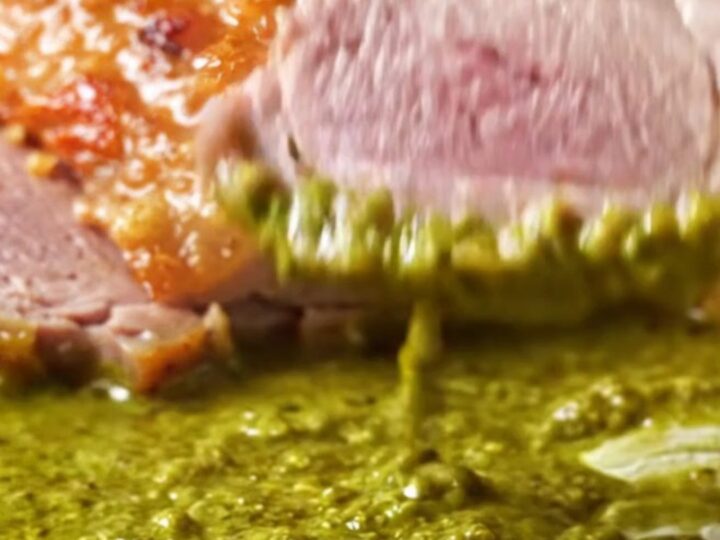
Imagine a duck breast with skin so crisp it shatters like glass, revealing rosy, tender meat beneath. Now imagine that duck resting in a pool of fragrant Thai green curry, perfumed with coconut cream, makrut lime, and Thai basil.
This is restaurant-quality cooking made simple in one skillet. The secret lies in rendering the fat slowly from a cold pan, building a golden crust, and then using that same pan to create a silky, aromatic sauce.
This recipe turns two duck breasts into a luxurious dinner that feels like a special occasion. The method is straightforward: score the fat, render it slowly, finish the meat to medium-rare, and then transform the pan drippings into a vibrant green curry sauce.
The sauce is rich and herbal, with coconut cream adding body and the curry paste providing layers of heat and spice. The duck, with its crackling skin and juicy interior, contrasts beautifully with the smooth, aromatic curry. Serve it over jasmine rice or with crusty bread to soak up every drop.
Ingredients
- 2 Moulard duck breasts (about 12 oz each)
- 1 tsp sea salt
- 3 tbsp green curry paste
- 1 can (13.5 oz) coconut cream
- 1/2 cup sliced bamboo shoots
- 4 makrut lime leaves, torn
- 1/4 cup Thai basil leaves
Why this recipe works
Starting the duck in a cold pan is the key to perfectly rendered fat. As the pan heats gradually, the fat melts away slowly, leaving the skin thin, crisp, and golden.
This technique prevents the skin from shrinking and curling, and it ensures that the fat renders completely without burning. The result is a shatteringly crisp crust that gives way to moist, tender meat.
Using the same skillet for the curry sauce builds layers of flavor. The browned bits from the duck, along with the rendered fat, infuse the sauce with a deep, savory richness. The green curry paste is bloomed in the fat to release its essential oils, and the coconut cream melds everything into a luxurious, velvety sauce that clings to the duck.
Notes and substitutions
Choose duck breasts with a thick, even fat cap—Moulard or Pekin both work well. Moulard breasts are larger and meatier, while Pekin are smaller and milder. The internal temperature of 130°F (54°C) yields medium-rare; for medium, cook to 140°F (60°C). Always let the meat rest for at least 3 minutes before slicing to allow the juices to redistribute.
Green curry paste varies in heat and salt content. Start with 3 tablespoons and taste the sauce before serving; add more if desired. If you can't find makrut lime leaves, use a strip of lime zest.
Bamboo shoots are available canned in most supermarkets; drain and rinse them before using. Thai basil is preferred, but regular basil can be substituted in a pinch.
- Moulard duck breasts: Any duck breast with a thick fat cap, or substitute with skin-on chicken thighs (adjust cooking time and internal temperature to 165°F/74°C).
- Green curry paste: Use store-bought or homemade green curry paste. For a milder version, reduce to 2 tablespoons.
- Coconut cream: Full-fat coconut milk can be used; the sauce will be slightly thinner.
- Makrut lime leaves: Use 1 teaspoon lime zest if lime leaves are unavailable.
Equipment
- Large skillet
- Chef's knife
- Cutting board
- Meat thermometer
- Tongs
- Measuring spoons
Up next · Part 2 of 3
7 steps · 25 min of cooking · what to look for at each stage
Step-by-step instructions (Part 2)