Appetizers · Part 3 of 3: Tips & recipe card
Crispy Sesame Puff Pastry Potato Pockets Tips, FAQ & printable recipe

- Prep
- Cook
- Total
- Serves
- 12
Tips for success
For the crispiest results, serve the pockets within 30 minutes of baking. If you need to hold them longer, keep them in a warm oven (200°F) on a wire rack to maintain their crunch. To reheat leftovers, place them in a 350°F oven for 5-7 minutes until hot and crisp again. Avoid microwaving, as it will make the pastry soggy.
When shaping the pockets, pleat the edges like a dumpling for a beautiful rosette effect. This not only looks impressive but also creates more surface area for crispiness.
If you have time, brush the assembled pockets with egg yolk and chill them for 15 minutes before baking; this helps the glaze set and produces a shinier, more even finish. For extra sesame flavor, toast the sesame seeds lightly in a dry skillet before using, but keep an eye on them so they don't burn.
Variations
- Spicy Harissa: Add 1-2 teaspoons of harissa paste to the potato filling along with the tomato paste for a spicy, smoky kick. Garnish with fresh cilantro before serving.
- Cheesy Herb: Stir in 1/2 cup of grated cheddar or feta cheese into the potato filling. The cheese adds a rich, savory depth that pairs beautifully with the sesame crust.
- Mediterranean: Add chopped Kalamata olives, sun-dried tomatoes, and a sprinkle of oregano to the filling. Serve with a side of tzatziki sauce.
- Curry-Spiced: Substitute the herbs with 1 teaspoon of curry powder and add a pinch of cayenne. Mix in some frozen peas for a pop of color and sweetness.
Storage and make-ahead
- Fridge
- Store leftover pockets in an airtight container in the refrigerator for up to 3 days. Reheat in a 350°F oven for 5-7 minutes until crisp and hot.
- Freezer
- Freeze unbaked or baked pockets on a baking sheet, then transfer to a freezer bag for up to 3 months. Reheat from frozen in a 375°F oven for 12-15 minutes.
- Reheat
- For best results, reheat in a 350°F oven for 5-7 minutes until crisp and heated through. Avoid microwaving, as it will make the pastry soggy.
Store leftover pockets in an airtight container at room temperature for up to 2 days. To reheat, place them in a 350°F (175°C) oven for 5-7 minutes until crisp and heated through. They are best enjoyed fresh, but they can also be frozen after baking; thaw in the refrigerator overnight and reheat in the oven.
The potato filling can be prepared up to 2 days in advance and stored in the refrigerator. The assembled pockets can also be prepared a few hours ahead and kept in the fridge, covered, until ready to bake.
If baking from chilled, you may need to add a couple of minutes to the baking time. You can also freeze the unbaked pockets on a baking sheet until solid, then transfer to a freezer bag for up to 3 months; bake from frozen, adding a few minutes to the baking time.
Serving ideas
These pockets are best served warm, straight from the oven, when the pastry is at its flakiest and the filling is hot and fragrant. Arrange them on a platter with a bowl of your favorite dipping sauce, such as a garlicky yogurt sauce or a simple tomato chutney.
They also pair beautifully with a fresh green salad for a light lunch or as part of a mezze spread. The contrast of textures and flavors makes them a crowd-pleasing appetizer for any gathering.
For a more substantial meal, serve the pockets alongside a bowl of soup or a roasted vegetable salad. They can also be served as a side dish to roasted meats or grilled fish.
The sesame crust adds a nutty richness that complements many cuisines, from Mediterranean to Middle Eastern. If you have any leftover filling, it can be served as a side dish or used as a topping for toast. These pockets are versatile enough to be enjoyed at any time of day.
Frequently asked questions
Can these pockets be made ahead and baked later?
Why did the sesame seeds fall off during baking?
Can the filling be made with sweet potatoes?
How do you prevent the pockets from bursting open in the oven?
Can this recipe be made gluten-free?
Crispy Sesame Puff Pastry Potato Pockets

Ingredients
- 1 package (17.3 oz) puff pastry, thawed
- 4 medium boiled potatoes, peeled
- 1 small onion, finely chopped
- 2 tbsp tomato paste
- 2 tbsp mixed fresh herbs (such as parsley, dill, chives), chopped
- 1/2 tsp salt, plus more to taste
- 1/4 tsp black pepper
- 1 large egg white, lightly beaten
- 1/2 cup sesame seeds
- 1 large egg yolk, lightly beaten
Instructions
- In a large bowl, mash the boiled potatoes until smooth. Sauté the onion in a little oil until soft and golden, then add to the potatoes along with the tomato paste, herbs, salt, and pepper. Mix until well combined. Taste and adjust seasoning. Form the mixture into 12 walnut-sized balls, about 1 1/2 inches in diameter. Set aside.
- On a lightly floured surface, unfold the puff pastry sheets. Roll each sheet slightly to even out the thickness. Cut each sheet into 6 equal squares, giving you 12 squares total. Brush each square with a thin layer of beaten egg white. Sprinkle generously with sesame seeds, pressing lightly so they adhere.
- Place a potato ball in the center of each sesame-coated pastry square. Gather the corners of the pastry up and over the filling, pinching the edges together to seal. Pleat the edges to create a flower-like rosette shape. Place the assembled pockets on a parchment-lined baking sheet, leaving space between them.
- Heat the oven to 400°F (200°C). Brush the exposed pastry surfaces with the beaten egg yolk. Bake for 20 to 25 minutes, until the pastry is puffed, deep golden brown, and blistered in spots. The sesame seeds should be toasted and fragrant.
- Remove the baking sheet from the oven and let the pockets cool on the sheet for 5 minutes. Transfer to a wire rack to cool slightly. Serve warm, snapping one open to reveal the steaming, fluffy potato filling.
Estimated nutrition per serving
- Calories
- 280
- Protein
- 6 g
- Carbohydrates
- 30 g
- Fat
- 15 g
Next recipe

Extra-Crunchy Spiral Potato Fries
See the recipe → →This recipe is based on a short cooking video and is published under the pen name Clara Weller. It was checked before publication, but errors can slip through. Nutrition, when shown, is an estimate. Read more in our editorial policy and on our food safety page.
More recipes to try
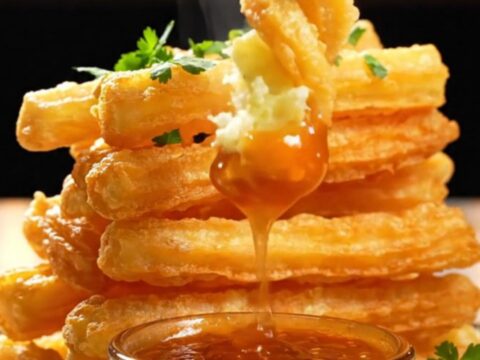
Twisted Crispy Potato Churro Fries with Sweet Chili Dip
Total time: 35 min
Cheesy Potato Lavaş Flatbreads: Golden, Buttery, and Irresistible
Total time: 1 h 6 min
Twisted Crispy Potato Churro Fries with Sweet Chili Dipping Sauce
Total time: 40 min
Melt-In-Your-Mouth Savory Turkish Cookies
Total time: 40 min
Crispy Thick Onion Rings with Garlic Herb Aioli
Total time: 35 min