Dinner · Part 1 of 3: Ingredients
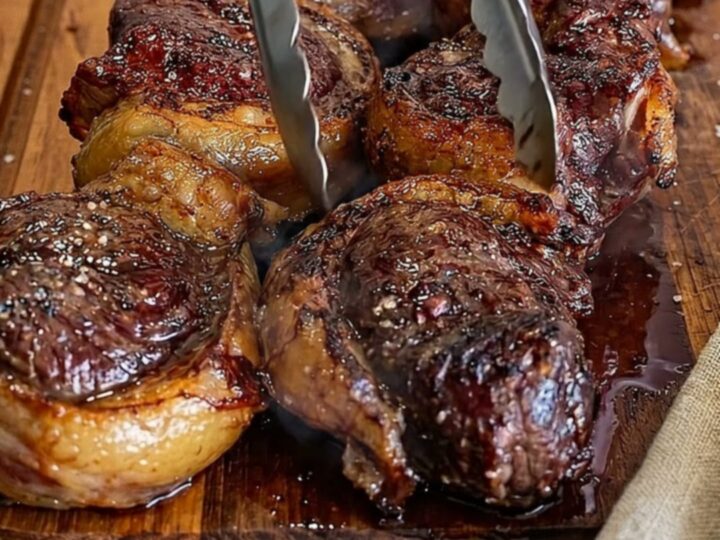
Crispy Seared Steak Medallions
- Prep
- Cook
- Total
- Serves
- 2
Master the art of high-heat cooking with these thick, succulent steak medallions that bring a high-end steakhouse finish directly into your own kitchen with minimal effort, minimal cleanup, and extraordinary savory depth.
Steak medallions are the ideal cut when you want a fast, elegant, and deeply satisfying beef entree on a busy evening. Because these cuts are naturally compact, thick, and exceptionally tender, they respond brilliantly to rapid, high-heat pan searing. This reliable stovetop technique creates an intensely flavorful, deeply caramelized crust across the surface while preserving a moist, pink, and succulent core.
Rather than masking the natural richness of the beef with heavy sauces, this streamlined method focuses on pure heat control and simple culinary fundamentals. Whether preparing a special weeknight meal or hosting dinner guests, you can rely on this straightforward skillet approach to deliver tender bites with classic steakhouse quality.
Ingredients
- 2 pieces steak medallions, about 1-inch thick
- 1 tbsp high-smoke-point cooking oil
Why this recipe works
A heavy cast iron skillet is the preferred tool for this method because its dense metal retains heat exceptionally well, preventing thermal drop when cold meat hits the hot pan.
This intense, continuous heat immediately triggers the Maillard reaction, a fundamental chemical process between amino acids and reducing sugars that produces a complex, mahogany crust rich with savory roasted aroma. Without high, steady conductive heat, moisture seeps out and boils the exterior, leaving behind a dull gray appearance and muted flavor.
Tempering the meat by letting it sit out for up to 30 minutes before cooking reduces the temperature contrast between the center and the pan surface. This critical balance ensures that the interior warms evenly and reaches a safe internal doneness right as the exterior develops its ideal crisp texture.
Furthermore, resting the seared medallions away from the heat allows the tightened muscle proteins to relax, evenly locking in the flavorful juices so they remain in the meat when sliced.
Notes and substitutions
Select medallions that are cut to a uniform thickness, ideally around one inch, so both portions cook at the exact same pace on the stovetop. If pre-cut medallions are not available in the meat case, purchase a whole center-cut beef tenderloin or a top sirloin roast and slice it into even rounds across the grain.
Always keep a calibrated digital instant-read thermometer next to the range to measure doneness accurately without guessing or cutting into the meat prematurely.
A thick cast iron skillet or heavy multi-ply stainless steel pan is essential for delivering the necessary heat transfer. Choose a cooking oil with a high smoke point, such as avocado oil, canola oil, or refined safflower oil, which will not burn or turn bitter under searing temperatures. Ensure adequate space between the pieces in the skillet; crowding traps escaping vapor, which ruins browning and prevents the formation of a crisp, restaurant-quality outer shell.
- steak medallions: Filet mignon rounds or center-cut top sirloin medallions work equally well for this high-heat searing method.
Equipment
- Cast iron skillet
- Metal tongs
- Wooden cutting board
- Instant-read thermometer
Up next · Part 2 of 3
3 steps · 8 min of cooking · what to look for at each stage
Step-by-step instructions (Part 2)