Dinner · Part 3 of 3: Tips & recipe card
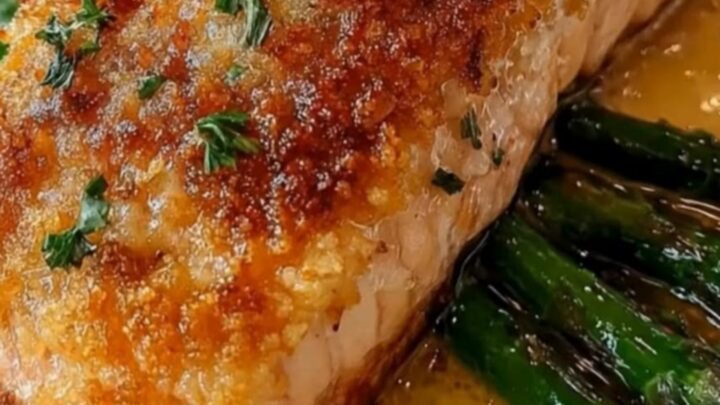
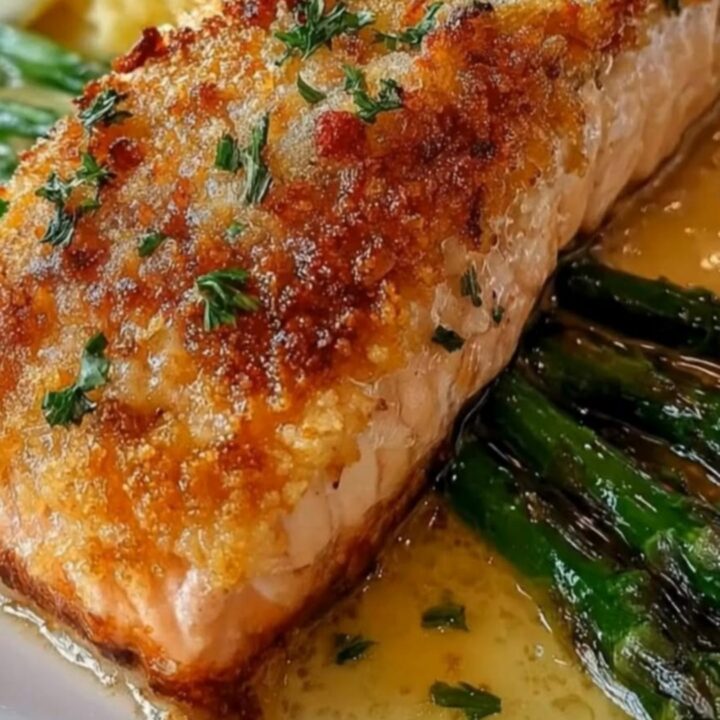
Crispy Parmesan Crusted Salmon with Lemon Butter Asparagus Tips, FAQ & printable recipe
- Prep
- Cook
- Total
- Serves
- 4
Tips for success
To achieve the absolute crispiest crust possible, ensure the salmon skin is completely removed and the top of the flesh is patted thoroughly dry before seasoning. Any surface moisture on the fish will turn to steam during the roasting process, which can make the bottom of the breadcrumb crust soggy.
Additionally, let the melted butter cool slightly before mixing it with the panko and parmesan; if the butter is too hot, it can begin to melt the cheese prematurely, resulting in a dense topping rather than a light, airy, and crispy one.
When roasting the asparagus alongside the salmon, try to select spears that are of medium thickness. Very thin asparagus will overcook and become mushy in the time it takes the salmon to roast, while extremely thick spears might remain tough.
If you only have very thin asparagus, add them to the baking sheet halfway through the salmon's cooking time. Spacing the spears out on the pan is also crucial; if they are piled on top of each other, they will steam instead of roasting, losing their desirable crisp-tender texture.
Variations
- Garlic Herb Crust: Incorporate one teaspoon of garlic powder or finely minced fresh garlic into the breadcrumb mixture for a robust, savory flavor.
- Spicy Parmesan Crust: Add a pinch of crushed red pepper flakes or cayenne pepper to the panko mixture to give the crispy topping a subtle kick.
- Citrus Zest Topping: Mix one teaspoon of fresh lemon zest directly into the parmesan crust to double down on the bright, citrusy notes.
Storage and make-ahead
- Fridge
- Refrigerate leftovers in an airtight container within two hours; consume within two days for the best quality.
- Freezer
- Freezing is not recommended, as the delicate salmon texture and crispy parmesan crust will become soggy upon thawing.
- Reheat
- Reheat in a preheated oven at 350°F (175°C) for 8 to 10 minutes to help restore the crunch of the parmesan crust.
Store any leftover salmon and asparagus in an airtight container in the refrigerator within two hours of cooking to ensure food safety. It is best to store the lemon butter sauce separately in a small jar. Leftovers will keep well for up to two days, though the crust will naturally lose some of its crispness over time as it absorbs moisture from the fish.
While this dish is best enjoyed fresh, you can prep the components in advance to save time. Mix the panko, parmesan, and herbs together and store the dry mixture in an airtight container at room temperature for up to a day. You can also trim the asparagus and portion the salmon ahead of time, keeping them covered in the refrigerator. Assemble and bake just before serving.
Serving ideas
For a stunning presentation, serve this dish on warm, white plates to make the colors of the golden crust, green asparagus, and yellow sauce pop. Arrange a neat bed of roasted asparagus spears slightly off-center, then carefully drape the salmon fillet across them.
Spoon the warm lemon butter sauce generously around the base of the plate, allowing the diners to dip each bite of fish and vegetable as they eat, while keeping the top crust completely dry.
To complement the rich, buttery flavors of the dish, serve it with extra lemon wedges on the side for a fresh squeeze of bright acidity right before eating.
A light, crisp green salad dressed with a simple vinaigrette or a side of fluffy jasmine rice makes an excellent accompaniment, absorbing the delicious lemon butter sauce. Pair this elegant meal with a chilled glass of Sauvignon Blanc or Pinot Grigio to elevate the dining experience.
Frequently asked questions
Can regular breadcrumbs be used instead of panko?
How is it known when the salmon is fully cooked?
Why did the parmesan crust get soggy?
Can the skin be left on the salmon?
Crispy Parmesan Crusted Salmon with Lemon Butter Asparagus
Ingredients
- 4 skinless salmon fillets, about 6 ounces each
- 1/2 cup panko breadcrumbs
- 1/2 cup freshly grated parmesan cheese
- 2 tbsp finely chopped herbs
- 2 tbsp unsalted butter, melted
- 1 lb asparagus, trimmed
- 4 tbsp unsalted butter
- 2 tbsp fresh lemon juice
Instructions
- In a medium mixing bowl, combine the panko breadcrumbs, freshly grated parmesan cheese, and herbs. Pour in two tablespoons of melted unsalted butter and stir the mixture thoroughly with a fork until the breadcrumbs are evenly moistened and resemble wet sand.
- Pat the salmon fillets dry with paper towels to remove excess moisture. Place the fillets on a baking sheet, then press the savory breadcrumb herb and parmesan mixture firmly onto the top of each fillet to create a thick, even crust.
- Arrange the trimmed asparagus around the salmon fillets on the baking sheet. Drizzle the asparagus with a little melted butter. Place the baking sheet in an oven preheated to 400°F (204°C) and roast for ten to twelve minutes until the salmon is nearly cooked through.
- Switch the oven to broil on high. Position the baking sheet on the top rack and broil for two to three minutes, watching closely, until the parmesan crust is bubbling, deeply golden brown, and incredibly crunchy. Verify the salmon has reached a safe internal temperature of 145°F (63°C) before removing it from the oven.
- In a small saucepan over medium-low heat, melt the remaining four tablespoons of unsalted butter until it begins to sizzle gently. Whisk in the fresh lemon juice. Cook for one minute, stirring constantly, until the sauce is glossy, emulsified, and warm.
- Place a portion of the roasted asparagus on a warm serving plate. Carefully set a golden, crusted salmon fillet next to the asparagus. Spoon the warm lemon butter sauce over the asparagus and around the salmon, leaving the crunchy parmesan crust dry to preserve its crisp texture.
Estimated nutrition per serving
- Calories
- 580
- Protein
- 42 g
- Carbohydrates
- 12 g
- Fat
- 40 g
- Fiber
- 2.5 g
- Sugar
- 1.5 g
- Sodium
- 590 mg
Next recipe

Tender Slow Cooker Cola Ribs with a Sticky Glaze
See the recipe → →This recipe is based on a short cooking video and is published under the pen name Clara Weller. It was checked before publication, but errors can slip through. Nutrition, when shown, is an estimate. Read more in our editorial policy and on our food safety page.
More recipes to try

One-Skillet Creamy Herb Chicken and Golden Baby Potatoes
Total time: 55 min
One-Skillet Christmas Cranberry Orange Chicken
Total time: 40 min
Easy Layered Chicken Enchilada Casserole
Total time: 50 min
One-Pan Herb Roasted Chicken with Garlic Butter Potatoes
Total time: 50 min
Easy Slow Cooker Pepper Steak with Rich Savory Sauce
Total time: 6 h 18 min