Appetizers · Part 1 of 3: Ingredients
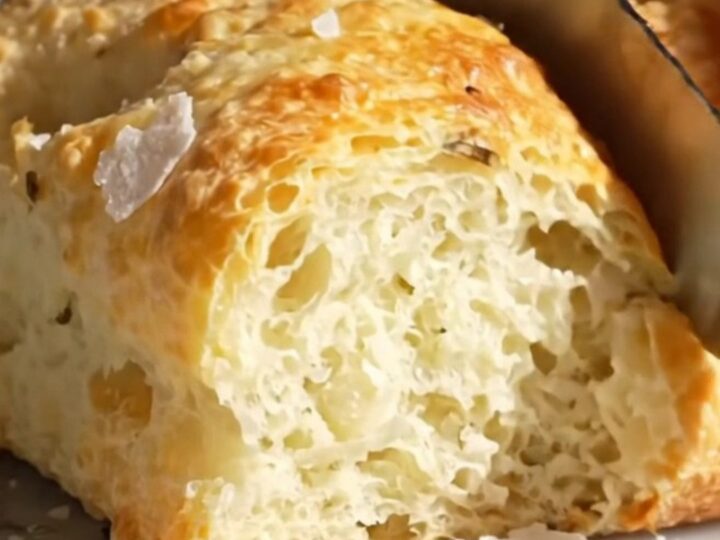
Crispy Overnight Rosemary Focaccia with Sea Salt
- Prep
- Cook
- Total
- Serves
- 8
Transform simple flour and water into a bakery-style masterpiece with this overnight focaccia technique. This method relies on time and temperature to develop deep, complex flavors and an airy, cloud-like crumb that is simply unmatched by quick-rise breads.
By utilizing a cold-proofed dough, you ensure the structure is stable enough to hold those beautiful, large air pockets that make focaccia so iconic. It is a rewarding process that turns your kitchen into a professional artisan bakery with minimal active effort.
Achieving the perfect focaccia is all about patience and technique. This recipe focuses on the final assembly and baking stages, allowing you to take a pre-prepared, cold-proofed dough and elevate it into a golden, aromatic loaf.
The key lies in the dimpling process, which creates the characteristic topography of the bread, and the high-heat bake that renders the olive oil into a crispy, flavorful crust. Whether you are serving it as an appetizer or a side for dinner, this bread never fails to impress with its texture and taste.
Ingredients
Dough
- 600 g cold-proofed focaccia dough
Topping
- 4 tbsp extra-virgin olive oil
- 2 tbsp fresh rosemary needles
- 1 tsp flaky Maldon sea salt
Why this recipe works
The overnight cold-proofing process allows the yeast to work slowly, which significantly improves the flavor profile of the bread. This slow fermentation breaks down starches into sugars, resulting in a more complex, nutty taste that is characteristic of authentic Italian breads. Furthermore, the cold temperature helps manage the dough's elasticity, making it much easier to handle and shape without tearing.
Baking at a high temperature of 450 degrees Fahrenheit is essential for creating the perfect contrast between the crispy exterior and the soft, airy interior.
The intense heat causes the moisture in the dough to evaporate rapidly, creating steam that puffs the bread up while simultaneously caramelizing the olive oil on the surface. This rapid reaction is what gives the crust its deep bronze color and satisfying, audible crunch.
Notes and substitutions
The quality of your olive oil makes a significant difference in this recipe. Since the oil is a primary flavor component, use a high-quality extra-virgin olive oil that has a robust, fruity aroma. Avoid using light or refined oils, as they lack the depth of flavor required to complement the rosemary and sea salt effectively. If you want to experiment, you can infuse the oil with garlic or chili flakes beforehand.
A cast-iron pan is an excellent choice for baking focaccia because it retains heat exceptionally well, ensuring the bottom of the bread becomes just as crispy as the top.
If you do not have a cast-iron pan, a heavy-duty rimmed baking sheet lined with high-quality parchment paper works perfectly fine. Always ensure your pan is well-oiled to prevent sticking and to encourage the frying effect that makes the edges so delicious.
- fresh rosemary: dried rosemary, but use only 2 teaspoons as the flavor is more concentrated
- Maldon sea salt: any high-quality flaky sea salt or coarse kosher salt
Equipment
- baking sheet or cast-iron pan
- parchment paper
- measuring spoons
- kitchen scale
Up next · Part 2 of 3
3 steps · 22 min of cooking · what to look for at each stage
Step-by-step instructions (Part 2)