Dinner · Part 1 of 3: Ingredients
Crispy Korean Honey Garlic Fried Chicken Wings
- Prep
- Cook
- Total
- Serves
- 4
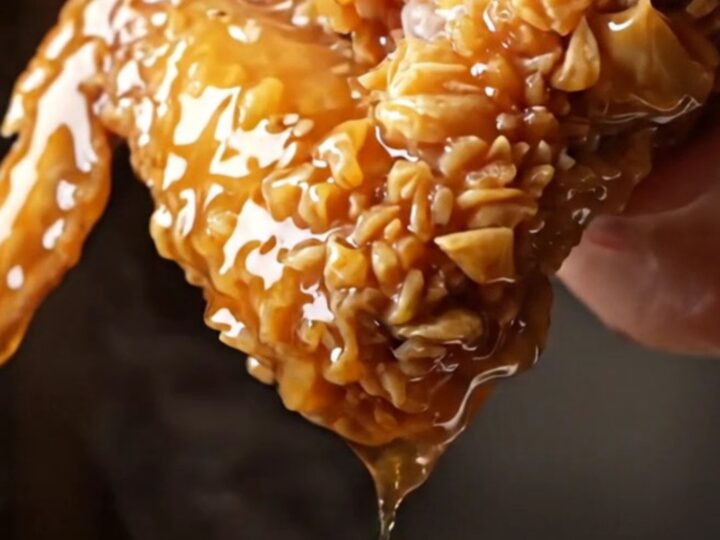
These Korean honey garlic fried chicken wings deliver an unforgettable crunch and a sticky-sweet glaze that clings to every bite.
Double-frying is the secret: a first fry at a lower temperature cooks the chicken through, then a quick flash fry at higher heat creates a shatteringly crisp shell that stays crunchy even after being tossed in the glossy sauce. The glaze is a simple balance of honey, soy sauce, brown sugar, and plenty of fresh garlic, simmered until thick and fragrant.
This recipe turns a handful of everyday ingredients into a restaurant-worthy dish that’s all about texture and flavor. Chicken wings are seasoned with soy and ginger, dredged in potato starch, and fried twice for an extra-crispy coating. Meanwhile, a quick glaze of honey, soy, brown sugar, and garlic bubbles into a sticky, amber syrup.
Toss the hot wings in that glaze, shower with sesame and scallions, and serve immediately for a show-stopping appetizer or main. The method is straightforward, and the result is truly addictive—each wing is crunchy, sweet, savory, and garlicky all at once.
Ingredients
- 1 kg chicken wings, split into drumettes and flats
- 2 tbsp soy sauce
- 1 tbsp fresh ginger, grated
- 1 cup potato starch
- vegetable oil, for frying, to taste
- 1/2 cup honey
- 3 tbsp soy sauce
- 2 tbsp brown sugar, packed
- 5 cloves garlic, minced
- 1 tbsp sesame seeds
- 2 tbsp scallions, thinly sliced
Why this recipe works
Double-frying is the cornerstone of this recipe. The first fry at 170°C (340°F) cooks the chicken through gently without browning the coating too much, allowing the interior to become tender and juicy.
The second fry at 190°C (375°F) drives out moisture from the crust, creating a hard, crackly shell that resists sogginess even when coated with a wet glaze. This two-step process is what gives Korean fried chicken its legendary crunch that lasts far longer than standard single-fried wings.
Potato starch is the ideal coating here. Unlike flour, potato starch creates a light, airy, and exceptionally crisp crust with a craggy texture that holds onto the glaze beautifully. It also fries up with a satisfying shatter, making every bite audibly crunchy.
Combined with the brief rest after dredging, the starch forms a dry, powdery layer that fries into a delicate, crackling shell—exactly what you want for a sticky-sweet glaze to cling to without turning the wings soggy.
Notes and substitutions
Use fresh chicken wings, preferably split into drumettes and flats for even cooking and easy eating. If you can only find whole wings, simply cut them at the joint. The soy sauce and ginger marinade adds a subtle savory depth that complements the sweet glaze—do not skip it, as it also helps the starch adhere. Potato starch is available in most supermarkets or Asian grocery stores; cornstarch can substitute, though the texture will be slightly less craggy.
For the glaze, use pure honey for the best flavor and consistency. The brown sugar adds molasses notes and helps the glaze thicken. Fresh garlic is essential—pre-minced jarred garlic will not provide the same punch. The glaze will continue to thicken as it cools, so keep it warm while frying the wings, and toss them just before serving. If the glaze becomes too thick, add a teaspoon of water to loosen it.
- potato starch: cornstarch or a 50/50 mix of cornstarch and all-purpose flour for a similarly crisp coating.
- chicken wings: Chicken drumettes or boneless chicken thighs, cut into chunks; adjust frying time accordingly.
- honey: Maple syrup or brown rice syrup for a different sweetness; the glaze will be slightly less thick.
- soy sauce: Tamari or coconut aminos for a gluten-free or lower-sodium option; adjust salt to taste.
Equipment
- Large pot or Dutch oven
- Deep-fry thermometer
- Wire rack
- Baking sheet
- Large mixing bowls
- Whisk
- Small saucepan
- Tongs
Up next · Part 2 of 3
6 steps · 30 min of cooking · what to look for at each stage
Step-by-step instructions (Part 2)