Dinner · Part 1 of 3: Ingredients
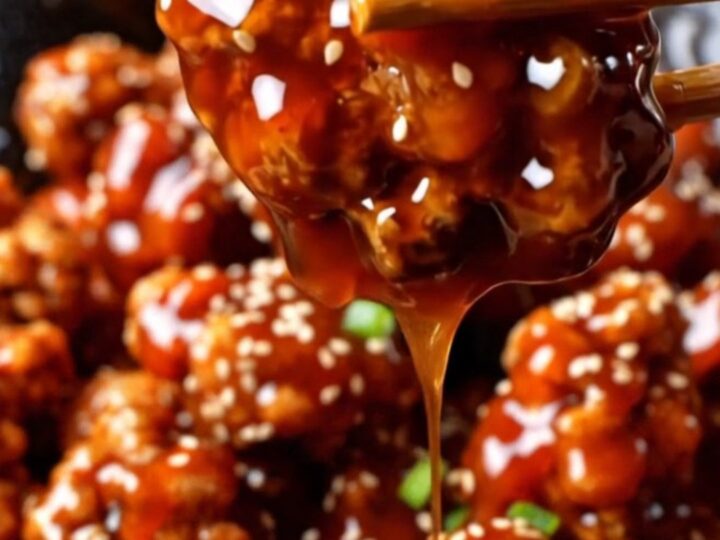
Crispy Korean Gochujang Sticky Popcorn Chicken
- Prep
- Cook
- Total
- Serves
- 4
Imagine biting into a piece of chicken that cracks loudly, then gives way to juicy, tender meat wrapped in a sweet, spicy, garlicky glaze that clings to your fingers. That is exactly what these Korean gochujang sticky popcorn chicken bites deliver.
The secret is double frying: a first fry at a lower temperature cooks the chicken through, then a quick flash fry at higher heat creates an impossibly craggy, shatteringly crisp crust. Tossed in a glossy gochujang glaze and finished with sesame and scallions, these bite-size pieces are dangerously addictive.
This recipe turns a handful of everyday ingredients into a spectacular dish that looks and tastes like it came from a Korean fried chicken spot. Boneless chicken thighs are marinated briefly in soy sauce and ginger, then coated in potato starch and fried twice until the coating is craggy and ultra-crunchy.
Meanwhile, a quick glaze of gochujang, ketchup, honey, brown sugar, soy sauce, and garlic simmers until thick and shiny. The hot chicken is tossed in that sticky, crimson sauce, then showered with sesame seeds and scallions. The result is a perfect balance of sweet, savory, and spicy, with a texture that is genuinely unforgettable. If you have never worked with gochujang, this is the recipe to start with.
Ingredients
- 1 1/2 lb boneless, skinless chicken thighs, cut into 1-inch pieces
Marinade
- 2 tbsp soy sauce
- 1 tbsp fresh ginger, grated
Coating
- 1 cup potato starch
- 4 cups vegetable oil, for frying
Glaze
- 3 tbsp gochujang (Korean chili paste)
- 2 tbsp ketchup
- 2 tbsp honey
- 1 tbsp brown sugar
- 1 tbsp soy sauce
- 3 cloves garlic, minced
Garnish
- 1 tbsp toasted sesame seeds
- 2 scallions, thinly sliced
Why this recipe works
Double frying is the backbone of this recipe. The first fry at 340°F (170°C) gently cooks the chicken through without browning the coating too quickly, ensuring the meat stays juicy.
The second fry at 375°F (190°C) drives out moisture from the crust, creating a deep, crackling crunch that holds up even after being tossed in the sticky glaze. This two-stage method is the same technique used by Korean fried chicken shops to achieve their signature shatter.
Potato starch is the key to the craggy, extra-crispy coating. Unlike all-purpose flour, potato starch fries up light and glassy, with a bubbly, textured surface that catches the glaze beautifully. The starch also absorbs less oil, so the chicken stays crisp without being greasy. Coating the chicken in a thick, powdery layer creates those craggy flakes that make every bite a textural adventure.
Notes and substitutions
Gochujang, a Korean fermented chili paste, is the soul of the glaze. It brings a deep, complex heat that is both sweet and savory. Look for it in the international aisle of large supermarkets or at a Korean grocery. If you cannot find it, a mix of sriracha and miso can approximate the flavor, though the texture will be thinner. Ketchup and honey round out the glaze with sweetness, while brown sugar adds a caramel note that helps the sauce turn glossy.
Boneless, skinless chicken thighs are ideal because they stay moist and juicy during frying. Chicken breast will also work, but be careful not to overcook it. Potato starch is available in Asian markets and many supermarkets; cornstarch is an acceptable substitute, though the crust will be slightly less craggy.
Use a neutral oil with a high smoke point, such as vegetable or canola, for frying. A deep-fry thermometer is essential for maintaining the exact temperatures that make this recipe work.
- potato starch: cornstarch (use the same amount; cornstarch will give a slightly less craggy crust but still crisp)
- chicken thighs: chicken breast (cut into 1-inch pieces; reduce first fry time by 30 seconds to avoid drying)
- gochujang: 2 tbsp sriracha mixed with 1 tbsp miso paste (adds heat and umami, but not as thick)
- honey: maple syrup or brown rice syrup (use same amount; maple adds a slightly different flavor)
Equipment
- Large pot or Dutch oven for frying
- Deep-fry thermometer
- Wire rack set over a baking sheet
- Large mixing bowls
- Wok or large skillet for glaze
- Tongs or spider strainer
- Whisk
- Measuring spoons and cups
Up next · Part 2 of 3
6 steps · 25 min of cooking · what to look for at each stage
Step-by-step instructions (Part 2)