Dinner · Part 3 of 3: Tips & recipe card
Crispy Japanese Tonkatsu with Tangy Katsu Sauce Tips, FAQ & printable recipe
- Prep
- Cook
- Total
- Serves
- 2
Tips for success
For the crispiest crust, make sure the panko is fresh and coarse. If it's too fine, it won't create that craggy texture. After breading, let the cutlets sit for a few minutes before frying; this helps the coating adhere. When frying, use tongs to gently lower the cutlet into the oil away from you to avoid splashes. Keep the oil temperature steady by using a thermometer and adjusting the heat between batches.
To keep the crust crisp after slicing, cut the tonkatsu on a cutting board with a very sharp knife, using a single clean motion rather than sawing. Serve immediately after slicing.
If making multiple batches, keep the fried cutlets on a wire rack in a warm oven (200°F/95°C) while frying the rest, but don't hold them for more than 10 minutes or the crust may soften. The sauce can be made days ahead and refrigerated.
Variations
- Katsu Curry: Serve the sliced tonkatsu over steamed rice with a rich Japanese curry sauce made from curry roux, onions, carrots, and potatoes. The crispy cutlet pairs perfectly with the thick, savory curry.
- Tonkatsu Sandwich: Place a slice of tonkatsu between two slices of soft white bread spread with tonkatsu sauce and a little mustard. Cut into rectangles for a classic Japanese convenience store sandwich.
- Chicken Katsu: Substitute boneless, skinless chicken breasts for the pork. Pound to even thickness and bread the same way. Cook until the chicken reaches 165°F (74°C).
- Spicy Mayo Dip: Mix 2 tablespoons mayonnaise with 1 teaspoon sriracha or hot sauce and a squeeze of lemon. Serve as a dipping sauce alongside the tonkatsu for extra heat and creaminess.
Storage and make-ahead
- Fridge
- Store leftover tonkatsu in an airtight container in the refrigerator for up to 3 days. Keep the sauce separate to prevent sogginess.
- Freezer
- Freeze breaded uncooked cutlets on a baking sheet, then transfer to a freezer bag for up to 2 months. Fry from frozen, adding 2-3 minutes to the cooking time.
- Reheat
- Reheat leftover tonkatsu in a toaster oven or air fryer at 350°F (175°C) for 5-7 minutes until hot and crispy. Avoid microwaving.
Leftover tonkatsu can be stored in an airtight container in the refrigerator for up to 3 days. To maintain crispness, store the cutlets unsliced and keep the sauce separate.
Reheat in a toaster oven or air fryer at 350°F (175°C) for 5-7 minutes until hot and crispy. Avoid microwaving, as it makes the crust soggy. The cabbage is best fresh, but leftover shredded cabbage can be kept in a sealed bag in the fridge for a day or two.
The tonkatsu sauce can be made up to a week ahead and stored in the refrigerator. The cabbage can be shredded a day in advance and kept in an airtight container lined with paper towels.
The breaded pork cutlets can be prepared up to 4 hours ahead and kept in the refrigerator, covered, until ready to fry. Bring them to room temperature for 15 minutes before frying, but do not leave them out longer than 30 minutes total.
Serving ideas
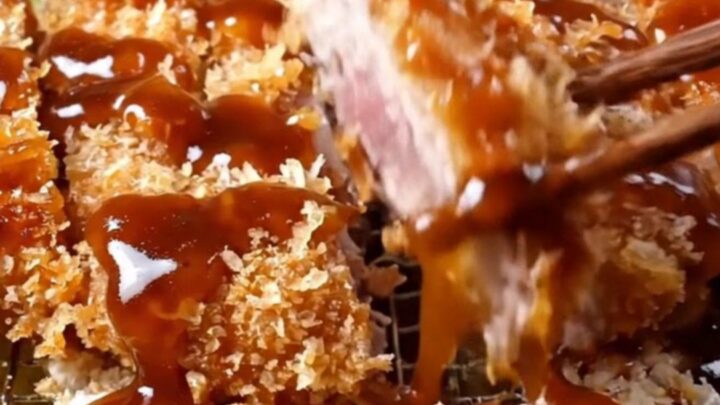
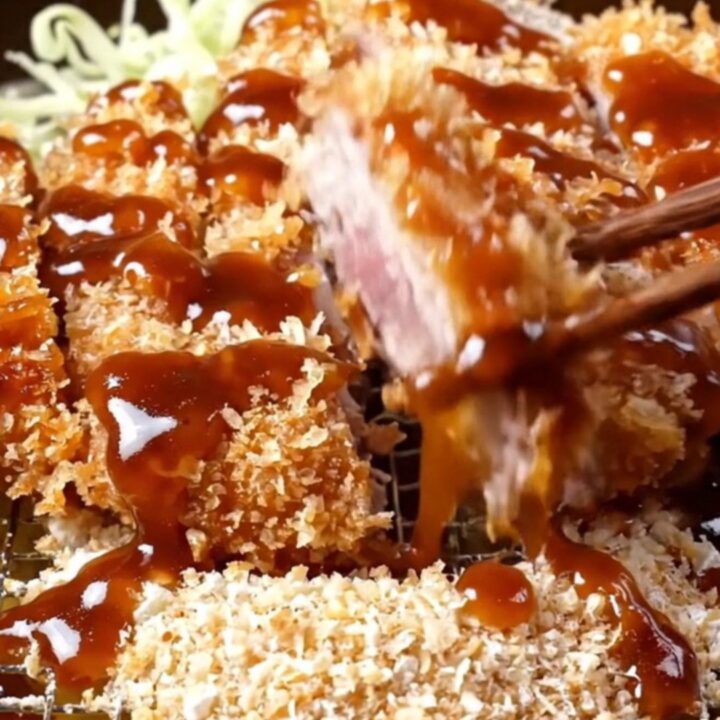
Serve the tonkatsu hot, sliced into strips and arranged over a bed of finely shredded cabbage. Drizzle the katsu sauce generously over the top, or serve it on the side for dipping. A squeeze of lemon over the cabbage adds brightness.
For a traditional presentation, serve with a small mound of Japanese rice and a bowl of miso soup on the side. The contrast of crunchy, juicy pork, crisp cabbage, and tangy sauce is the essence of this dish.
Tonkatsu is often served as a main course, but it also stars in dishes like katsu curry or tonkatsu sandwiches. For a lighter meal, serve it with a simple green salad instead of rice. The sauce can be thinned with a little water or broth if you prefer a lighter drizzle. Leftover tonkatsu can be chopped and used in rice bowls or wraps. This recipe is versatile enough for a weeknight dinner or a special weekend feast.
Frequently asked questions
Why does the tonkatsu crust become soggy after frying?
Can this recipe be made gluten-free?
What is the best oil for deep-frying tonkatsu?
How do you keep the pork from curling during frying?
Can tonkatsu be baked instead of fried?
Crispy Japanese Tonkatsu with Tangy Katsu Sauce
Ingredients
- 2 thick-cut boneless pork loin chops (200g each)
- salt, to taste
- freshly cracked black pepper, to taste
- 1/2 cup all-purpose flour
- 1 large egg, beaten
- 1 cup panko breadcrumbs
- neutral oil, for frying, to taste
- 2 cups finely shredded green cabbage
- 2 tbsp Worcestershire sauce
- 2 tbsp ketchup
- 1 tbsp oyster sauce
- 1 tsp sugar
Instructions
- Pat the pork loin chops dry with paper towels. Using a sharp knife, score the fat cap in a crosshatch pattern, cutting about 1/4 inch deep. Place the chops between two sheets of plastic wrap and pound with a meat mallet to an even 1/2-inch thickness. Season both sides generously with salt and freshly cracked black pepper.
- Place the flour in a shallow dish. Beat the egg in a second dish. Put the panko breadcrumbs in a third dish. Working with one chop at a time, dredge it in the flour, shaking off excess. Dip it into the beaten egg, letting any excess drip off. Press the chop firmly into the panko, coating all sides evenly. Repeat with the remaining chop.
- Pour about 2 inches of neutral oil into a large heavy-bottomed pot or deep skillet. Heat over medium-high heat until the oil reaches 340°F (170°C) on a deep-fry thermometer.
- Carefully lower one breaded pork chop into the hot oil. Fry for about 2 1/2 minutes per side, or until golden amber and cooked through, turning once. The oil should stay around 340°F (170°C). Transfer to a wire rack and let rest for 3 minutes. Repeat with the second chop.
- In a small bowl, whisk together the Worcestershire sauce, ketchup, oyster sauce, and sugar until the sugar dissolves. Set aside.
- Place the rested cutlets on a cutting board. Slice each into 1-inch-wide strips with a sharp knife, cutting through the crust with a clean motion. Arrange the sliced tonkatsu over a bed of shredded cabbage. Drizzle generously with the katsu sauce and serve immediately.
Estimated nutrition per serving
- Calories
- 650
- Protein
- 42 g
- Carbohydrates
- 45 g
- Fat
- 35 g
Next recipe
Crispy Turkish Spiced Beef Tray Borek
See the recipe → →This recipe is based on a short cooking video and is published under the pen name Clara Weller. It was checked before publication, but errors can slip through. Nutrition, when shown, is an estimate. Read more in our editorial policy and on our food safety page.
More recipes to try
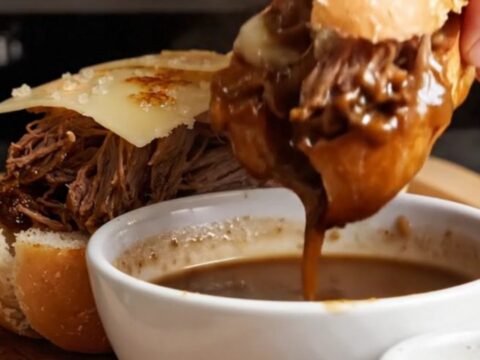
Slow-Cooker Short Rib French Dip Sandwiches with Gruyère
Total time: 4 h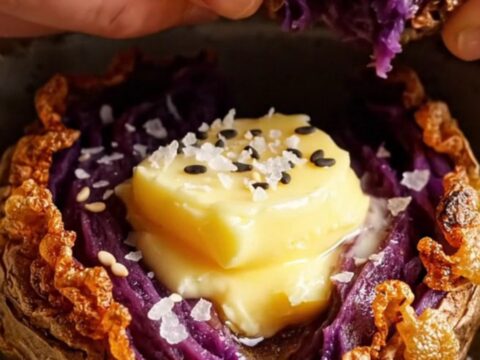
Crispy Smashed Purple Sweet Potatoes with Miso Garlic Butter
Total time: 50 min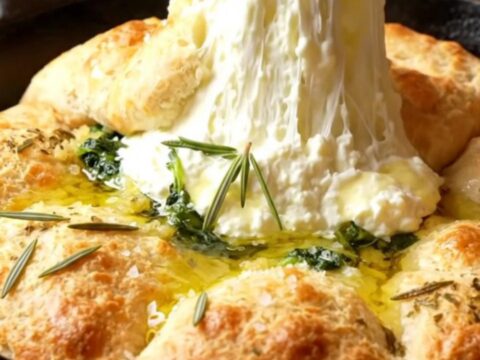
Cheesy Skillet Spinach & Mozzarella Stuffed Garlic Focaccia
Total time: 2 h 25 min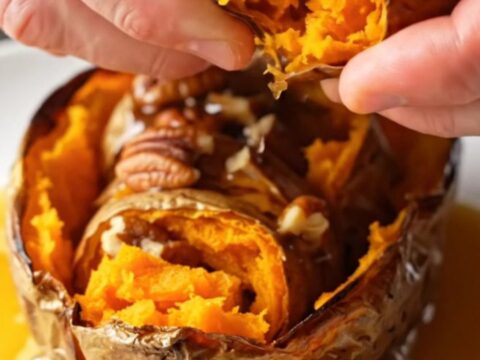
Crispy Accordion Sweet Potatoes with Maple Pecan Butter
Total time: 45 min
Birria Bao Buns with Melted Cheese & Dipping Consommé
Total time: 50 min