Appetizers · Part 3 of 3: Tips & recipe card
Crispy Handmade Sopes with Smoky Chicken Tinga Tips, FAQ & printable recipe
- Prep
- Cook
- Total
- Serves
- 8
Tips for success
Keep the masa covered at every moment; a damp towel over the bowl and over each stack of discs is the single habit that separates smooth sopes from cracked ones.
When pinching the rim, rotate the sope in your hand and pinch with even pressure so the wall stays the same height all the way around; a low spot becomes a spill point. Fry in batches of three or four at most, and give the oil a minute to return to 365°F between batches so every shell crisps at the same rate.
Warm both fillings before the shells come out of the oil, so assembly happens the moment the frying is done. Spread the bean layer thin and up the walls; it seasons the shell and shields the base from moisture.
Shred the lettuce fine, drizzle the crema in ribbons from a spoon held high, and hold the salsa verde until the last second. If a shell tears while pinching, patch it with a pinch of fresh masa pressed into the gap; it will seal in the fry.
Variations
- Bean and cheese sopes: Skip the chicken and double the refried black beans, then finish with extra queso fresco, crema and salsa verde. A quick vegetarian sope that keeps the same crisp-to-creamy contrast and comes together even faster for a weeknight appetizer.
- Salsa roja sopes: Swap the salsa verde for a cooked red salsa made from roasted tomatoes, garlic and dried chiles. The deeper, sweeter heat plays especially well against the smoky chipotle in the tinga and the salty cotija crumbled on top.
- Mini sope bites: Press the dough into twelve 2 1/2-inch discs instead of eight large ones, shorten the fry by about 15 seconds, and top lightly. Two-bite party sopes that hold their crisp rim and look generous on a platter.
- Breakfast sopes: Fill the fried shells with warm black beans and softly set scrambled eggs, then finish with salsa verde and crema. Serve immediately so the shells stay crisp against the tender eggs, a weekend brunch plate worth the extra pan.
Storage and make-ahead
- Fridge
- Shells airtight up to 3 days; beans and tinga separately up to 4 days.
- Freezer
- Fried shells freeze well up to 2 months, wrapped tightly; fillings freeze separately.
- Reheat
- Recrisp shells in a 375°F (190°C) oven 5 to 8 minutes; warm beans and tinga on the stove, then assemble fresh.
Store the components separately, never assembled. Cool the fried shells completely, then keep them in an airtight container. Cool the beans and any leftover tinga within 2 hours and refrigerate them in separate containers. The crisp toppings and crema hold well chilled; the lettuce wilts once dressed, so shred it fresh.
The dough can be mixed, wrapped and refrigerated up to a day ahead; let it come back to room temperature and knead briefly before pressing. The shells can be comal-cooked, pinched and fried in the morning, then recrisped in a 375°F (190°C) oven for 5 minutes before filling. Both cheeses can be crumbled and the lettuce shredded a few hours ahead.
Serving ideas
Serve the sopes straight from the board they were assembled on, while the rims are still warm and audibly crisp.
Arrange them slightly overlapping on a rustic platter, scatter any cheese that fell onto the board over the tops, and set a small bowl of extra salsa verde alongside for the second drizzle everyone ends up wanting. A wedge of lime on the side brightens the whole plate without adding another component.
As a party appetizer, set the shells and toppings out in stations and assemble just before guests eat, or hand out two sopes per plate as a starter before a simple main.
For a casual dinner, serve three per person with cilantro-lime rice and a cold drink. Either way, eat with the hands; a fork flattens the fun, and the pinched rim exists to be held.
Frequently asked questions
Can the masa discs be pressed ahead of time?
Why did the rims crack while pinching?
What if the oil is not exactly 365°F?
Can the sopes be assembled in advance for a party?
Is the chicken tinga made from scratch here?
Crispy Handmade Sopes with Smoky Chicken Tinga
Ingredients
- 2 cups masa harina
- 1 1/2 cups warm water
- 1/2 tsp kosher salt
- 3 cups neutral oil for frying, such as vegetable oil, for shallow frying
- 1 cup refried black beans, warmed
- 2 cups shredded chicken tinga, warmed (store-bought or made ahead)
- 1 cup finely shredded romaine lettuce
- 1/2 cup Mexican crema
- 1/2 cup crumbled queso fresco
- 1/4 cup crumbled cotija cheese
- 1/2 cup salsa verde, for serving
Instructions
- Stir the masa harina and salt together in a large bowl. Pour in the warm water a little at a time, mixing with your hand until shaggy clumps form. Knead for 2 to 3 minutes directly in the bowl until the dough turns smooth, pliable and slightly tacky, like soft play dough, with no dry crumbs left at the bottom.
- Cover the bowl with a damp kitchen towel and let the dough sit for 15 minutes. This pause lets the masa fully hydrate, so the discs press without cracking and the rims pinch cleanly later. Keep the towel damp the whole time; exposed masa dries out fast and turns crumbly, which makes smooth 4-inch discs much harder to shape.
- Divide the dough into 8 equal balls, keeping them covered. Press each one between plastic sheets or parchment into a thick 4-inch disc, about 1/4 inch thick. Thick is the point here: thin discs turn into tostadas, while this heft gives the sopes the sturdy base that holds beans and tinga without going soggy under the toppings.
- Heat a dry cast-iron comal or heavy skillet over medium heat. Cook each disc for about 90 seconds per side, until the underside shows light golden spots and the surface looks dry and slightly puffed. The discs are not finished yet; this dry cook sets the masa so the discs hold their shape when they go into the oil.
- While each disc is still warm and pliable, pinch the outer edge with your thumb and forefinger, working around the rim to build a raised wall about 1/2 inch high. Press firmly enough to make a clean ridge but gently enough not to tear the masa. This border is what turns a flat disc into a boat that holds its filling.
- Pour the oil into a deep heavy skillet to about 1/2 inch and heat it to 365°F (185°C) on a thermometer. Fry the masa boats in a single layer, about 60 seconds per side, until the bottom and the pinched rim turn golden and crisp. Work in batches and keep the oil steady; a drop in temperature makes the shells greasy.
- Set a small saucepan over medium-low heat and warm the refried black beans, stirring until they loosen enough to spread easily. Warm the shredded chicken tinga in a second pan or in the microwave, stirring occasionally, until it is heated through to 165°F (74°C) on an instant-read thermometer. Both fillings should be warm when they meet the crisp shells, so the sopes taste assembled fresh, not reheated.
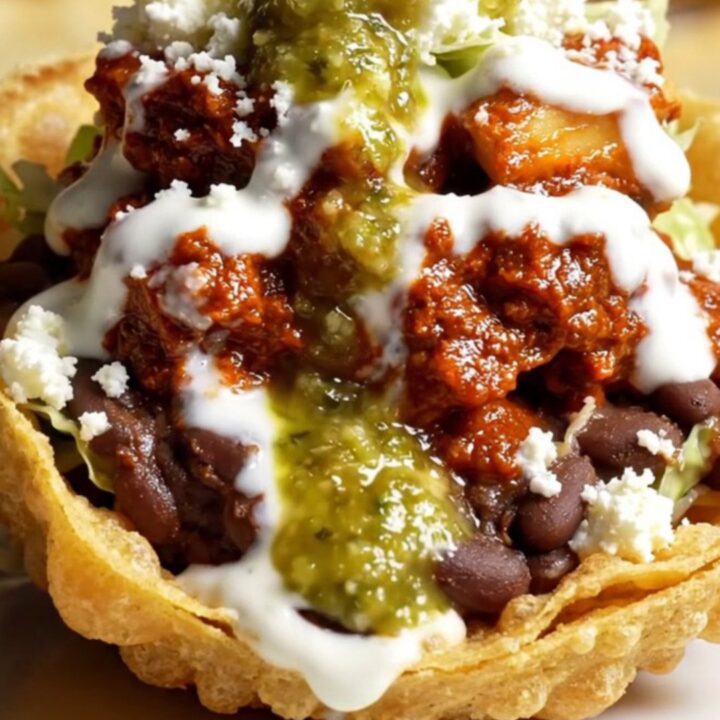
- Spoon a thin layer of warm refried black beans into each crisp masa cup, spreading it up the pinched walls with the back of the spoon. This bean layer does double duty: it seasons the whole bite and acts as a moisture barrier, keeping the bottom of the shell crisp while the juicier toppings pile on above it.
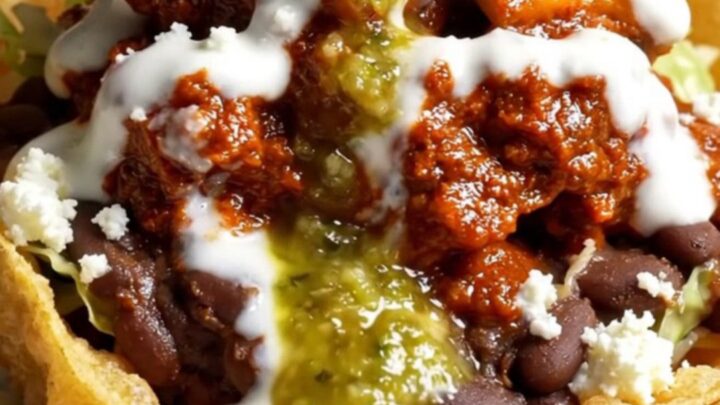
- Mound the warm smoky chicken tinga generously over the beans, letting it overflow slightly over the rim the way the best antojito-shop sopes do. Follow with a handful of finely shredded romaine lettuce. The cool, crisp lettuce on top of the warm filling is part of the classic contrast, so add it after the chicken, never before.
- Drizzle Mexican crema over each sope, then scatter crumbled queso fresco and cotija on top, letting some fall onto the plate the way they do at a street stall. Spoon salsa verde over everything just before serving so the shells stay crisp. Serve immediately, while the rims are still warm and crackling under the toppings.
Estimated nutrition per serving
- Calories
- 370
- Protein
- 15 g
- Carbohydrates
- 28 g
- Fat
- 20 g
- Fiber
- 5 g
- Sugar
- 3 g
- Sodium
- 480 mg
Next recipe
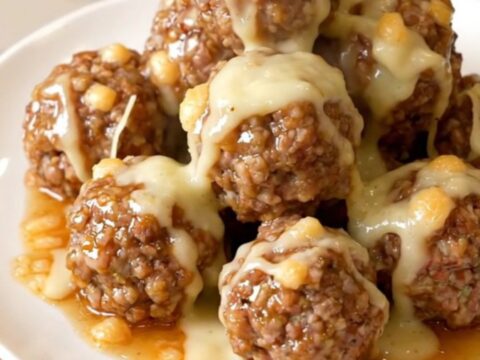
Crockpot Garlic Parmesan Beef Meatballs (5-Minute Prep)
See the recipe → →This recipe is based on a short cooking video and is published under the pen name Clara Weller. It was checked before publication, but errors can slip through. Nutrition, when shown, is an estimate. Read more in our editorial policy and on our food safety page.
More recipes to try
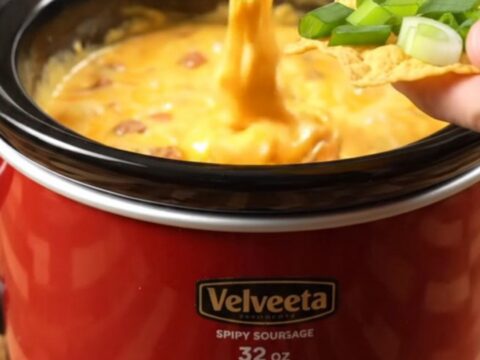
Three-Ingredient Crockpot Sausage Queso for a Crowd
Total time: 1 h 40 min
Crispy Air Fryer Toasted Ravioli with Warm Marinara
Total time: 39 min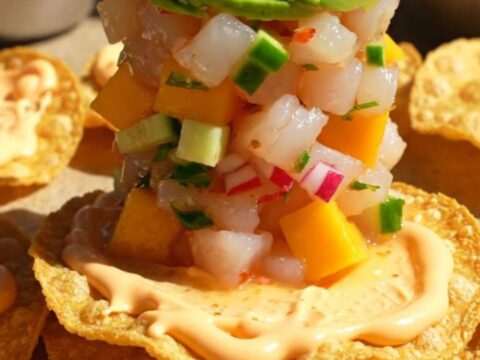
Quick Shrimp and Mango Ceviche Tostadas with Spicy Mayo
Total time: 40 min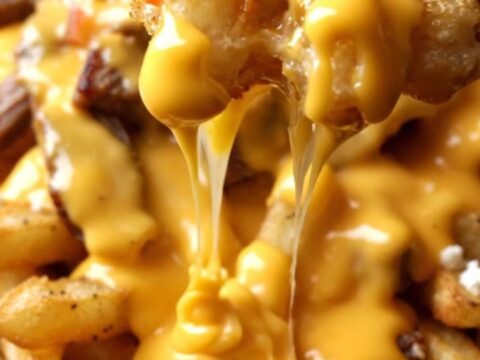
Carne Asada Waffle Fry Nachos with Jalapeño Queso
Total time: 53 min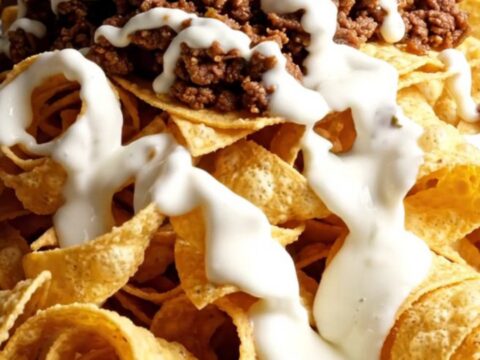
Spiral Tortilla Ribbon Nachos with Warm Queso
Total time: 45 min