Dinner · Part 2 of 3: Instructions
Crispy German-Style Roasted Beef Knuckle Step-by-step instructions
- Prep
- Cook
- Total
- Serves
- 4
Before you start
Before beginning, ensure the beef knuckle is removed from the refrigerator at least 30 minutes prior to roasting. Pat the skin completely dry with paper towels; moisture is the enemy of crispy skin, so take your time to ensure the surface is as dry as possible.
Preheat your oven precisely to the required temperature and have your roasting pan and aromatics ready to go, as you want to minimize the time the oven door stays open.
Ingredients at a glance (3)
- 1 piece beef knuckle, about 4 to 5 lbs
- 6 cloves garlic, peeled and left whole
- 2 sprigs fresh rosemary
Instructions
Initial Slow Roast
- Season and RoastPreheat the oven to 325°F (165°C). Place the beef knuckle in a roasting pan. Roast in the center of the oven until the internal temperature reaches 145°F (63°C), basting periodically with the rendered pan juices. Let the meat rest at least 3 minutes after reaching temperature before continuing.Look for Skin is browning and meat is beginning to tenderizeSafe temperature 145°F (63°C) internal temperature (steaks, chops and roasts)Tip Ensure the skin is dry for the best possible crackling.
During the first phase, the kitchen will begin to smell savory as the fat starts to render. The skin should look slightly glossy as the natural fats begin to interact with the heat. Check that the heat is steady and the meat is not browning too quickly, as the goal here is internal tenderness rather than surface color. The beef should feel firm but starting to yield.
Aromatic Infusion
- Aromatic InfusionAdd the whole garlic cloves and fresh rosemary sprigs to the roasting pan, allowing them to fry in the hot rendered fat surrounding the meat. Continue roasting, basting the knuckle frequently with the aromatic fat to infuse the meat with flavor and further blister the skin.Look for Garlic is golden and fragrantTip Baste carefully to avoid splashing hot fat.
As the garlic and rosemary are introduced, the aroma will become much more complex and herbal. You should hear a gentle, consistent sizzling as the meat cooks in its own juices.
The garlic cloves should become soft and golden, while the rosemary oils permeate the roasting liquid. Check that the pan juices are not evaporating too quickly; if they are, add a splash of water to keep the base moist.
Final Crisp and Rest
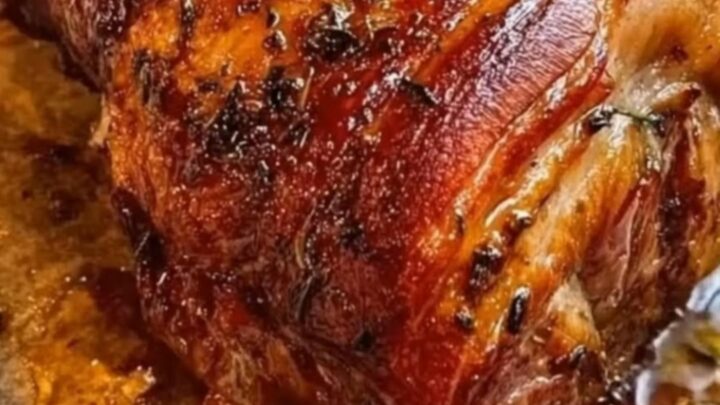
- Final Crisp and RestIncrease the oven temperature to 425°F (220°C) for the final 15 minutes to achieve a deep, blistered crackling skin. Once the skin is dark golden and crispy, remove from the oven and let the meat rest for at least 20 minutes before carving to ensure maximum juiciness and flavor retention.Look for Skin is deeply browned and crackles when tappedTip Resting is essential for the juices to redistribute throughout the meat.
In the final phase, the transformation of the skin is dramatic. The surface will bubble, blister, and turn a deep, rich brown color. The sound of the crackling is a primary indicator of success. Once removed, the meat must rest, allowing the exterior to set and the internal juices to settle. The aroma should be intensely rich and savory, signaling that the roast is ready for carving.
Common mistakes
A common mistake is rushing the roasting process by using too high a temperature too early, which results in charred skin and tough, undercooked meat. Another frequent error is failing to dry the skin properly before seasoning, which prevents it from becoming truly crispy.
Finally, neglecting to rest the meat for the full duration after roasting will cause the flavorful juices to leak out immediately upon carving, leaving the beef drier than it should be.
How to tell it’s done
The beef knuckle is considered perfectly done when the internal temperature reaches 145°F (63°C) in the thickest part of the meat, away from the bone.
The meat should pull away from the bone easily, and the skin should be deeply browned, blistered, and firm to the touch. When carved, the juices should run clear, and the meat should have a tender, buttery consistency that yields to the slightest pressure of a fork.
- Steaks, chops and roasts: 145°F (63°C) in the thickest part, then a 3-minute rest
Up next · Part 3 of 3
2 variations · storage & make-ahead · 3 answers · printable card
Tips, FAQ & printable recipe (Part 3)← Back to the ingredients (Part 1)