Dinner · Part 1 of 3: Ingredients
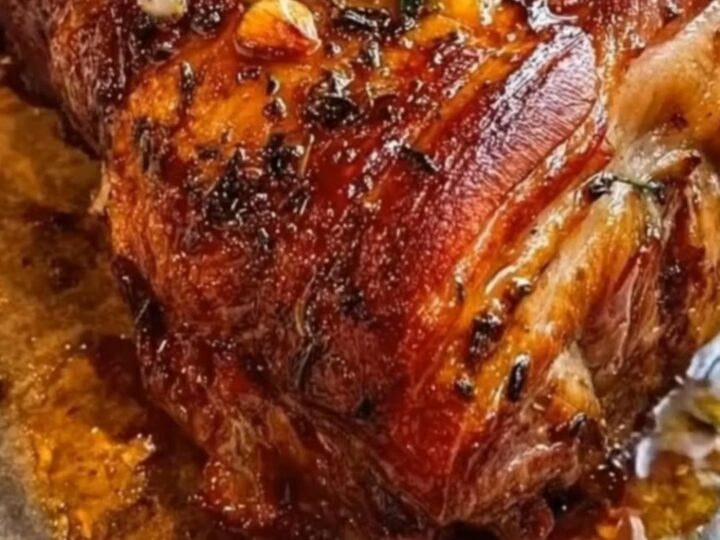
Crispy German-Style Roasted Beef Knuckle
- Prep
- Cook
- Total
- Serves
- 4
Master the ultimate roasting technique to create a beef knuckle with crackling, golden skin and melt-in-your-mouth tenderness. This traditional preparation relies on steady heat and aromatic basting to develop intense flavor and a signature texture that defines the perfect roast.
The beef knuckle is a prized cut known for its rich collagen content and deep, savory flavor. When roasted slowly, the connective tissue breaks down, resulting in meat that is incredibly tender and succulent. By carefully managing the roasting process and finishing with high heat, the skin transforms into a crispy, blistered masterpiece that provides a satisfying crunch in every bite.
This recipe focuses on simple, high-quality ingredients, allowing the natural essence of the beef to shine through with the help of fragrant garlic and fresh rosemary, which perfume the meat as it cooks in its own rendered juices.
Ingredients
- 1 piece beef knuckle, about 4 to 5 lbs
- 6 cloves garlic, peeled and left whole
- 2 sprigs fresh rosemary
Why this recipe works
The slow-roasting method at a moderate temperature is crucial for the beef knuckle. It allows the tough connective tissues and intramuscular fat to slowly render and melt away, which is the secret to achieving that characteristic fall-apart texture. If the heat is too high initially, the exterior will overcook before the interior has a chance to soften properly, leading to a dry and tough result that lacks the desired melt-in-your-mouth quality.
The final blast of high heat is the key to creating the iconic crackling skin. By increasing the temperature at the end of the cooking process, the surface moisture evaporates rapidly, causing the skin to blister and crisp up.
This contrast between the deeply browned, crunchy exterior and the exceptionally soft, juicy interior is what makes this dish a standout, providing a multi-sensory experience that is both visually impressive and deeply satisfying to eat.
Notes and substitutions
Selection of the beef knuckle is important; look for a piece with a good layer of fat covering the skin, as this fat is what will render down and help crisp the exterior.
If the knuckle seems particularly lean, you can supplement with a small amount of beef lard or even high-quality butter in the pan, though the natural fat is usually sufficient for a traditional preparation. Always ensure the meat is at room temperature before it goes into the oven for even cooking throughout.
Equipment plays a significant role in the success of this roast. A heavy-duty roasting pan is recommended, as it retains heat well and provides a stable surface for the meat to cook.
The use of a meat thermometer is non-negotiable for accuracy; it ensures that the beef reaches the correct internal temperature for safety and tenderness without guesswork. While fresh rosemary is classic, you can experiment with other woody herbs like thyme, provided they are robust enough to withstand the long roasting time.
- Beef knuckle: Pork knuckle can be used for a classic Schweinshaxe preparation
Equipment
- Heavy-duty roasting pan
- Sharp carving knife
- Basting spoon
- Meat thermometer
- Parchment paper
Up next · Part 2 of 3
3 steps · 4 h of cooking · what to look for at each stage
Step-by-step instructions (Part 2)