Appetizers · Part 3 of 3: Tips & recipe card
Crispy Garlic Butter Parmesan Fries with Garlic Aioli Tips, FAQ & printable recipe

- Prep
- Cook
- Total
- Serves
- 4
Tips for success
For the crispiest fries, make sure the potatoes are cut into uniform sticks, about 1/4-inch thick. This ensures they cook evenly. After the first fry, let the fries cool completely before the second fry.
This helps the interior set and prevents them from becoming doughy. If you're making a large batch, keep the finished fries warm in a low oven (200°F/93°C) on a wire rack set over a baking sheet, so they stay crisp while you fry the rest.
When making the garlic aioli, you can use the sautéed garlic from the butter for a milder flavor, or add a small amount of raw minced garlic for a sharper kick.
For a smoother aioli, whisk the ingredients together well. If the aioli is too thick, add a teaspoon of water or lemon juice to thin it. Taste and adjust seasoning with salt and pepper as needed.
Variations
- Spicy Fries: Add 1/2 teaspoon of cayenne pepper or a pinch of red pepper flakes to the garlic butter before tossing with the fries. For extra heat, mix a teaspoon of hot sauce into the aioli.
- Herb Fries: Replace the parsley with a mix of fresh thyme, rosemary, and chives, finely chopped. Add them to the garlic butter along with the Parmesan for a more aromatic flavor.
- Bacon Parmesan Fries: Sprinkle cooked, crumbled bacon over the fries along with the Parmesan and parsley. The smoky, salty bacon pairs beautifully with the garlic butter and adds a satisfying crunch.
- Truffle Fries: Add 1-2 teaspoons of truffle oil to the garlic butter before tossing with the fries. Finish with a sprinkle of fresh chives and a little extra Parmesan for an elegant twist.
Storage and make-ahead
- Fridge
- Store leftover fries in an airtight container in the fridge for up to 2 days. Reheat in a 400°F oven for 5-7 minutes to restore crispness.
- Freezer
- Freeze the first-fried potatoes in a single layer on a baking sheet, then transfer to a freezer bag for up to 3 months.
- Reheat
- Reheat leftover fries on a baking sheet in a 400°F (204°C) oven for 5-7 minutes, or until hot and crispy. Avoid microwaving, as it makes them soggy.
Leftover fries can be stored in an airtight container in the refrigerator for up to 2 days, but they will lose their crispness. To reheat, spread them on a baking sheet and warm in a 400°F (204°C) oven for 5-7 minutes until hot and crispy. The aioli can be refrigerated for up to 3 days in a sealed container.
The aioli can be made up to 3 days in advance and stored in the refrigerator. The potatoes can be cut and soaked in ice water up to 2 hours ahead, but be sure to dry them thoroughly before frying.
The first fry can be done a few hours ahead; let the fries cool completely, then store them in the refrigerator in a single layer. When ready to serve, do the second fry and toss with the garlic butter and Parmesan.
Serving ideas
Serve these fries immediately after tossing them with the garlic butter and Parmesan, while they are still hot and crispy. Arrange them on a large platter and place the garlic aioli in a small bowl in the center for dipping.
Garnish with extra chopped parsley and a sprinkle of Parmesan for a beautiful presentation. These fries are perfect as an appetizer for a party, a side dish for burgers, or a satisfying snack.
For a complete meal, pair these fries with grilled steak, roasted chicken, or a crisp green salad. The rich, savory flavors of the garlic butter and Parmesan complement a variety of main dishes. You can also customize the aioli by adding a pinch of smoked paprika or cayenne for a spicy kick. Enjoy them fresh and hot for the best experience.
Frequently asked questions
Why do the fries need to be soaked in ice water?
Can the fries be baked instead of fried?
What is the best oil for frying french fries?
Can the aioli be made without eggs?
How do you keep the fries crispy for a party?
Crispy Garlic Butter Parmesan Fries with Garlic Aioli
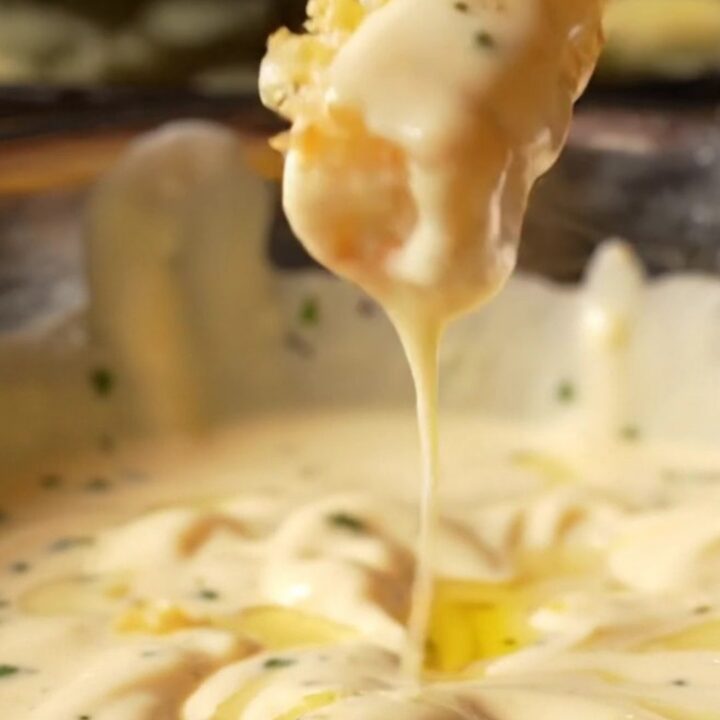
Ingredients
- 2 lb russet potatoes
- ice water, for soaking, to taste
- 1 tbsp cornstarch
- 3 tbsp unsalted butter
- 3 cloves garlic, minced
- 1/2 cup freshly grated Parmesan cheese
- 2 tbsp fresh parsley, chopped
- 1/2 cup mayonnaise
- 1 tsp Dijon mustard
- 1 tbsp fresh lemon juice
- 1 tbsp olive oil
- 4 cups vegetable oil, for frying
Instructions
- Cut the russet potatoes into 1/4-inch thick sticks. Place them in a large bowl of ice water and soak for 30 minutes. This removes excess starch and helps achieve a crispier texture.
- Drain the potatoes and pat them completely dry with a clean kitchen towel or paper towels. In a large bowl, toss the dried potato sticks with cornstarch until evenly coated. This thin coating adds extra crunch.
- Heat the vegetable oil in a large pot to 325°F (163°C). Carefully add the potatoes in batches and fry for 5 minutes without browning. Remove with a slotted spoon and drain on paper towels. Let them cool for at least 10 minutes.
- Increase the oil temperature to 400°F (204°C). Fry the potatoes again, in batches, for 3 minutes until golden brown and shatteringly crisp. Drain on fresh paper towels and season lightly with salt while hot.
- In a small saucepan, melt the butter over medium heat. Add the minced garlic and cook for 1 minute until fragrant but not browned. Remove from heat.
- Place the hot fries in a large mixing bowl. Pour the garlic butter over them and toss to coat. Add the grated Parmesan and chopped parsley, then toss again until the fries are evenly coated.
- In a small bowl, combine the mayonnaise, Dijon mustard, lemon juice, olive oil, and the remaining minced garlic (or use the sautéed garlic from the butter, if preferred). Whisk until smooth and creamy. Refrigerate until serving.
- Serve the garlic butter Parmesan fries immediately with the garlic aioli on the side for dipping. Enjoy while hot and crispy.
Estimated nutrition per serving
- Calories
- 482
- Protein
- 8 g
- Carbohydrates
- 47 g
- Fat
- 29 g
Next recipe

Sparkling Water Börek with Feta and Parsley
See the recipe → →This recipe is based on a short cooking video and is published under the pen name Clara Weller. It was checked before publication, but errors can slip through. Nutrition, when shown, is an estimate. Read more in our editorial policy and on our food safety page.
More recipes to try

Crispy Fan-Cut Accordion Eggplant Fries with Garlic Yogurt Dip
Total time: 25 min
Slow-Cooker Dr Pepper BBQ Lil' Smokies: 3-Step Tailgate Glaze
Total time: 2 h 35 min
Loaded Wagyu Bacon Waffle Fries: Crispy, Cheesy, Ultimate
Total time: 45 min
Crockpot Cheesy Bratwurst Beer Dip
Total time: 2 h 10 min
Crispy Turkish Sigara Böreği with Feta and Parsley
Total time: 30 min