Dinner · Part 1 of 3: Ingredients
Crispy Duck Confit Hoisin Noodles in One Skillet
- Prep
- Cook
- Total
- Serves
- 3
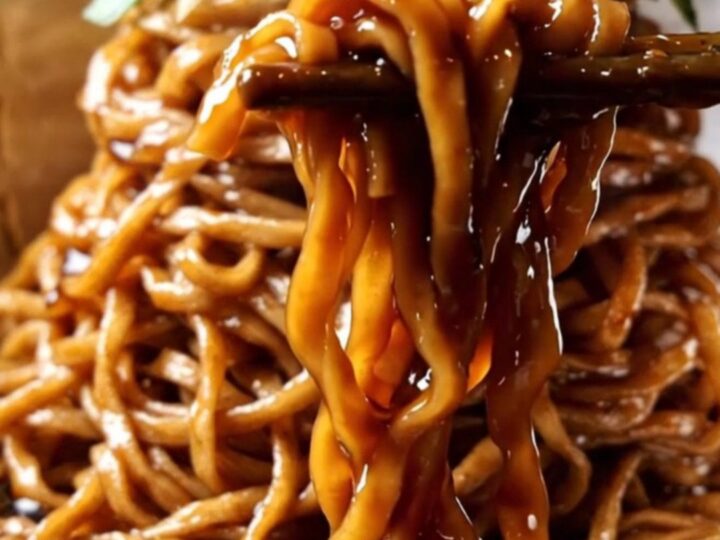
Crispy duck confit hoisin noodles deliver everything loved about Peking duck in one steaming bowl. Shards of shattering-crisp duck skin, springy wheat noodles, and a glossy plum-hoisin glaze scented with five-spice come together in a single skillet in about half an hour. The duck confit legs arrive already cooked, so the work is mostly crisping, shredding, and tossing. Cool ribbons of cucumber and scallion julienne cut through the richness, exactly the way a Beijing bistro would finish the plate.
This bowl borrows the flavor architecture of Peking duck and rebuilds it as a weeknight noodle dinner. Duck confit legs, already slow-cooked and tender, need only a hot skillet to turn their skin into glassy crackling. That rendered fat becomes the frying medium, which means the noodles themselves cook in duck flavor, then get lacquered with a quick glaze of hoisin sauce, plum sauce, toasted sesame oil, and warm five-spice.
The result is a bowl that reads restaurant-worthy but asks for one pan, one pot, and about thirty minutes. Nothing here is fussy: the toppings are raw and cold, the glaze is whisked cold, and the entire cook happens in a single skillet. What makes it memorable is the play of temperatures and textures, hot glossy noodles against cool crisp vegetables, tender shredded duck against skin that snaps like candy.
Ingredients
- 2 duck confit legs, store-bought or made ahead
- 12 oz cooked wheat noodles (about 350 g)
Plum-hoisin glaze
- 1/4 cup hoisin sauce
- 2 tbsp plum sauce
- 1 tbsp toasted sesame oil
- 1/2 tsp five-spice powder
- 2 tbsp rendered duck fat
Topping
- 3 scallions, julienned
- 1/2 cucumber, cut into thin ribbons
Why this recipe works
The method works because duck confit solves the hardest part of cooking duck, which is rendering tough fat and connective tissue into tenderness. That work is already done, so the skillet only has two jobs: drive moisture out of the skin until it crisps, and harvest the rendered fat. Crisping skin-side down over medium heat lets the fat melt out gradually while the surface dehydrates and blisters, producing crackling that shatters instead of chewing.
Pouring off the excess and keeping just two tablespoons matters, because fat is the carrier that lets the glaze cling to every strand. The cold toppings are not decoration either: cucumber ribbons and scallion julienne stay raw and chilled, so each bite alternates between hot, lacquered noodles and cool, snappy vegetables, which keeps a rich duck bowl balanced rather than heavy.
The glaze relies on the same principle as a proper stir-fry sauce: sugar and starch build a lacquer, and fat disperses it evenly. Hoisin brings fermented soybean depth and sweetness, plum sauce adds fruit acidity that keeps the bowl from tasting heavy, and five-spice echoes the aromatics of classic Peking seasoning.
Tossing the noodles in the bubbling glaze over medium heat lets the sugars hydrate and tighten onto the noodles, creating a glossy coat rather than a puddle. Finishing off the heat protects that lacquer from scorching.
Notes and substitutions
Choose fresh or vacuum-packed wheat noodles, sold as lo mein, chow mein, or ramen-style noodles in the refrigerated or international aisle; they are springy and rough enough to hold sauce. Dried spaghetti works in a pinch but is smoother, so toss a little longer. Look for duck confit legs at the butcher counter, in specialty frozen cases, or make them ahead at home; both legs and any rendered duck fat they come packed in are useful here.
Hoisin sauce and plum sauce are both standard supermarket items near the soy sauce and Asian condiments; check labels, since hoisin usually contains wheat and soy. Toasted sesame oil is the dark, fragrant bottling, not the light neutral kind.
A cast-iron skillet is ideal because it holds steady medium heat for crisping skin, but any heavy stainless skillet works; avoid thin nonstick pans, which hot-spot and scorch sugary glazes. The substitutions listed below cover noodle, fat, and sauce swaps without changing the method.
- duck confit legs: Crispy roasted duck legs or skin-on rotisserie duck work; crisp the skin well and skip any long cooking.
- wheat noodles: Fresh lo mein or ramen-style noodles hold the glaze best; dried spaghetti is an acceptable stand-in.
- rendered duck fat: Rendered bacon fat or a neutral oil with a drop of toasted sesame oil keeps the noodles from sticking.
- plum sauce: Use 6 tbsp hoisin sauce total and add 1 tsp sugar for the fruity sweetness the plum sauce brings.
Equipment
- Large cast-iron or heavy skillet
- Large pot for noodles
- Colander
- Whisk
- Kitchen tongs
- Chef's knife
- Cutting board
- Small mixing bowl
Up next · Part 2 of 3
8 steps · 18 min of cooking · what to look for at each stage
Step-by-step instructions (Part 2)