Dinner · Part 1 of 3: Ingredients
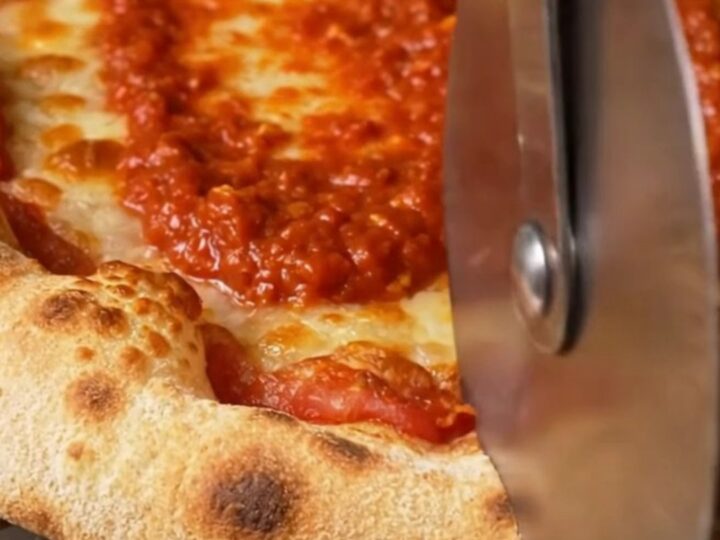
Crispy Detroit-Style Pizza with Caramelized Frico Corners
- Prep
- Cook
- Total
- Serves
- 2
There’s a reason Detroit-style pizza has a cult following: the crispy, caramelized cheese edges, known as frico, are pure magic.
This recipe focuses on that perfect crunch, using a hydrated dough pressed into an oiled steel pan, topped with cubed brick cheese, and baked at a blazing 500°F. The result is a thick, airy crust with a golden, lacy cheese crown that shatters when you bite into it.
Detroit-style pizza is defined by its rectangular shape, thick focaccia-like crust, and cheese that goes all the way to the edges of the pan, where it caramelizes into a dark, crunchy frico. This recipe captures that iconic texture with a simple method: press dough into an oiled steel pan, scatter cubed brick cheese over the top, and bake at high heat until the edges turn lacy and amber.
The sauce is added after baking, just two stripes of warm crushed tomatoes, so it stays bright and fresh against the rich, cheesy crust. This is pizza for people who love texture as much as flavor.
Ingredients
- 400 g hydrated pizza dough
- 8 oz brick cheese, cubed
Sauce
- 1/2 cup crushed San Marzano tomatoes, warmed
- 2 tbsp olive oil
Why this recipe works
The key to that legendary frico crunch is the combination of a well-oiled steel pan and high heat. The oil helps the dough crisp and fry on the bottom while the cheese melts and drips down the sides, hitting the hot metal and caramelizing into a deep, complex crust.
Baking at 500°F ensures the cheese browns quickly before the dough overcooks, giving you a crispy exterior and a soft, airy interior.
Using cubed brick cheese rather than shredded is another essential detail. Cubes melt into pools of rich, creamy cheese while the edges that touch the pan transform into brittle, lace-like frico. The sauce is applied after baking, which keeps it from making the crust soggy and preserves its bright, tangy flavor. Every element is designed to maximize texture and taste.
Notes and substitutions
Brick cheese is the traditional choice for Detroit-style pizza. It’s a mild, slightly tangy cheese with a high fat content that melts beautifully. If you can’t find it, a combination of low-moisture mozzarella and white cheddar works well.
The dough should be well-hydrated, around 70% hydration, to give you that airy, chewy crumb. You can use store-bought pizza dough if you prefer, just let it come to room temperature before pressing.
A steel pan is ideal because it conducts heat efficiently and promotes even browning. A 9x13-inch metal baking pan works too, but avoid glass or ceramic, which don’t get hot enough for the frico to form. The olive oil is important not just for preventing sticking, but for helping the crust fry and crisp. Use a good-quality oil that can handle high heat without burning.
- brick cheese: Use a mix of low-moisture mozzarella and white cheddar if brick cheese is hard to find; it will still create a crispy frico edge.
- hydrated pizza dough: Use store-bought pizza dough (about 14 oz) and let it come to room temperature before stretching.
- San Marzano tomatoes: Use any good-quality crushed tomatoes; the sauce is added after baking so it just needs to be warm and lightly seasoned.
Equipment
- 9x13-inch steel pan (or Detroit-style pan)
- Mixing bowl
- Spatula
- Chef's knife
- Cutting board
- Oven
- Cooling rack
Up next · Part 2 of 3
4 steps · 15 min of cooking · what to look for at each stage
Step-by-step instructions (Part 2)