Dinner · Part 3 of 3: Tips & recipe card
Crispy Cheesy Beef Crescent Rolls Tips, FAQ & printable recipe

- Prep
- Cook
- Total
- Serves
- 8
Tips for success
For an extra golden finish, brush the tops of the rolls with a lightly beaten egg wash before baking. This adds a beautiful sheen and enhances the crispness of the outer crust.
Additionally, adding a sprinkle of dried herbs like parsley or oregano to the beef mixture can elevate the overall aromatic profile of the dish.
If a spicier bite is desired, incorporate a small amount of finely diced jalapeño or a dash of hot sauce directly into the ground beef while it browns.
This simple adjustment provides a subtle heat that pairs exceptionally well with the sharp cheddar and the buttery sweetness of the crescent dough.
Variations
- Taco-Style Rolls: Add a tablespoon of taco seasoning to the ground beef and swap the cheddar for pepper jack cheese. Serve with a side of salsa for dipping.
- Bacon and Cheddar: Mix in two tablespoons of crumbled, pre-cooked bacon into the beef filling before rolling. This adds a smoky depth that pairs perfectly with the sharp cheddar.
Storage and make-ahead
- Fridge
- Keep leftovers in an airtight container in the refrigerator for up to 3 days.
- Freezer
- Freeze fully cooled rolls in a freezer-safe bag for up to 1 month. Thaw in the refrigerator before reheating.
- Reheat
- Reheat in a 350°F oven for 8 to 10 minutes until warmed through and crispy.
Store any leftover rolls in an airtight container to maintain their texture. While they are best enjoyed fresh, they can be kept in the refrigerator for up to three days.
For the best experience, bring them to room temperature before attempting to reheat them to ensure the center warms through evenly.
The beef filling can be prepared up to one day in advance and kept in the refrigerator until needed. Simply reheat the meat slightly before filling the crescent rolls to ensure a consistent bake. Avoid assembling the rolls too far in advance, as the raw dough may become soggy from the filling.
Serving ideas
Serve these rolls warm, perhaps accompanied by a light side salad or a bowl of vegetable soup. They are also excellent as a finger-food appetizer at gatherings, where they can be paired with a variety of dipping sauces like marinara or a creamy garlic ranch.
Arrange the rolls on a platter immediately after the resting period to highlight their golden, flaky exterior.
The visual appeal of the melted cheese peeking out from the pastry is part of the experience, so presenting them while they are still warm ensures the best flavor and texture for guests.
Frequently asked questions
Can these be made ahead of time?
Why does the dough get soggy?
Can this be frozen?
Crispy Cheesy Beef Crescent Rolls

Ingredients
- 1 can refrigerated crescent roll dough, store-bought or made ahead
- 1 lb ground beef
- 1 cup shredded cheddar cheese
Instructions
- Heat a skillet over medium-high heat. Add the ground beef and cook, breaking it apart with a spoon until thoroughly browned and reaching an internal temperature of at least 160°F (71°C). Drain any excess fat completely and set aside to cool slightly before assembling the rolls.
- Preheat the oven to 375°F (190°C). Unroll the crescent roll dough and separate it into triangles along the perforations. Place a spoonful of the cooked ground beef and a sprinkle of shredded cheddar cheese onto the wide end of each triangle. Roll up the dough starting from the wide end toward the pointed tip to create the classic crescent shape.
- Place the assembled rolls on a baking sheet lined with aluminum foil. Bake for 12 to 15 minutes or until the pastry turns deep golden brown and the cheese is visibly bubbling on the edges. Remove from the oven and let them rest for 5 minutes before serving warm.
Estimated nutrition per serving
- Calories
- 320
- Protein
- 12 g
- Carbohydrates
- 22 g
- Fat
- 20 g
Next recipe
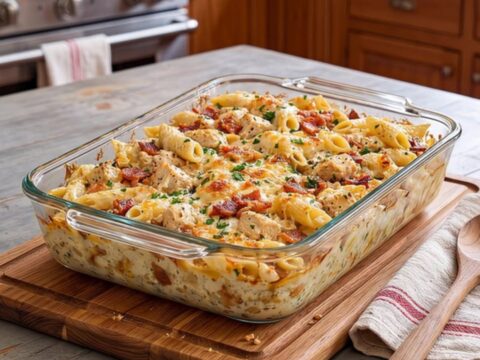
Creamy Chicken Bacon Ranch Pasta Bake
See the recipe → →This recipe is based on a short cooking video and is published under the pen name Clara Weller. It was checked before publication, but errors can slip through. Nutrition, when shown, is an estimate. Read more in our editorial policy and on our food safety page.
More recipes to try

Cheesy Ground Beef Stuffed Cabbage for Comfort
Total time: 55 min
Juicy Bacon-Wrapped Cheese-Stuffed Meatloaf
Total time: 1 h 30 min
Crispy Golden Ham and Cheese Stromboli
Total time: 45 min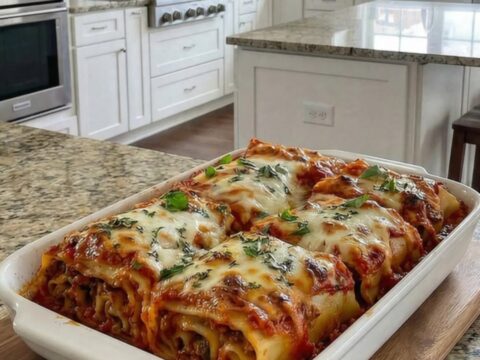
Classic Beef Lasagna Roll-Ups for Easy Weeknight Dinners
Total time: 1 h
Crispy Skin Oven-Baked Chicken Thighs
Total time: 55 min